
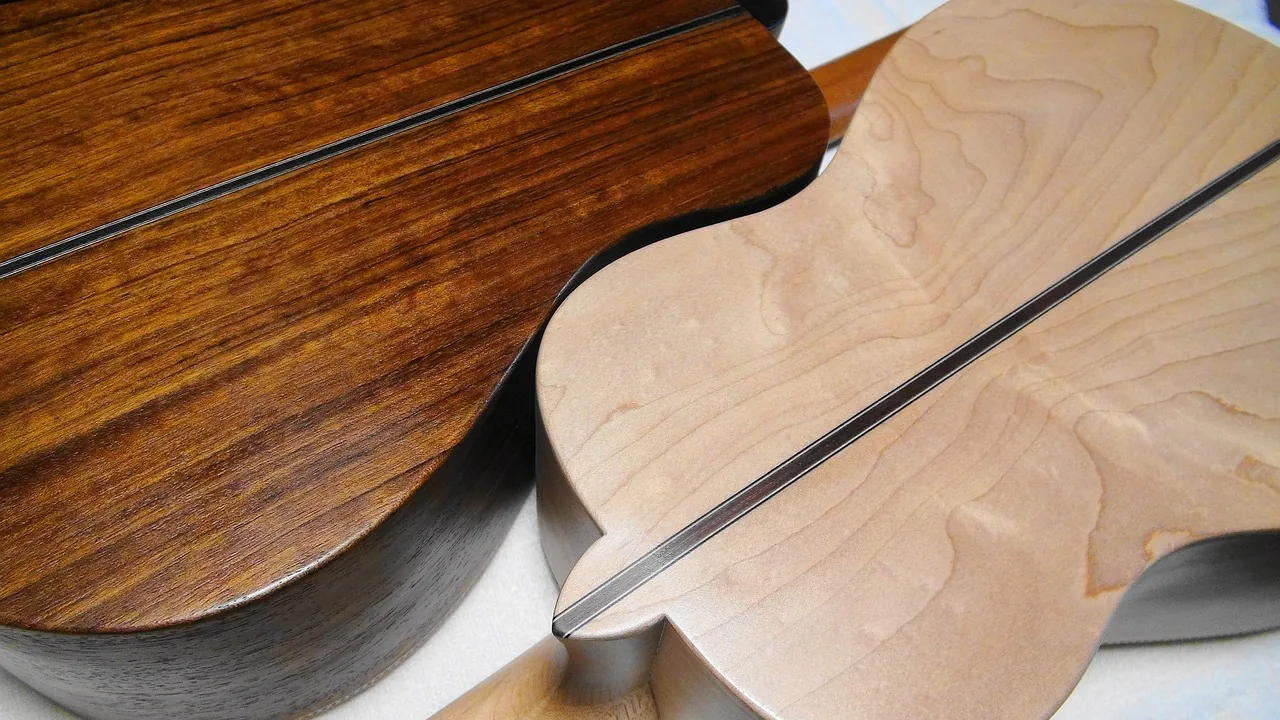
Lutherie, a centuries-old craft, draws its strength from passing on a distinctive set of skills that combines tradition and innovation. Training as a luthier brings together classroom teaching and practical experience. Today, this knowledge is mainly passed on through work-study programmes, such as France’s vocational certificate (CAP), which combine theory and practice.
The apprentice plays a central role in this process. The relationship between master and student remains at the heart of training: it preserves long-standing techniques while encouraging creativity. Workshops provide an ideal place to learn the ins and outs of the craft. Discover how work-study training can offer a route into this rewarding profession.
Historically, Mirecourt, the birthplace of French lutherie, trained generations of luthiers. Today, institutions such as the Société d’Enseignement Professionnel du Rhône continue to pass on these skills. Handwork and practice remain the foundations of a craft in which every instrument tells a story.
Introduction
Lutherie training is changing as the craft seeks to reconcile its artisanal values with innovation. This field, rich in history, faces growing technical and employment challenges.
Current challenges
Luthiers must master demanding techniques while adapting to market needs. Finding work is a major challenge that calls for both manual skills and theoretical knowledge. Recognition of qualifications such as the CAP also plays a key role in validating skills.
How training has evolved
Over time, lutherie training has evolved to meet the needs of the market. Institutions such as SEPR offer work-study programmes that combine theory and practice. This approach helps apprentices develop both practical and theoretical expertise.
Despite these advances, young luthiers face difficulties. This highly technical field requires good training and continual adaptation. Challenges include mastering traditional tools and learning to use modern technologies.
“Lutherie training must preserve its artisanal spirit while embracing innovation to remain relevant.”
In short, lutherie training depends on a careful balance between tradition and modernity, which is essential to sustaining this rewarding craft.
Lutherie courses and training institutions
Lutherie training draws on a network of specialist institutions and recognised qualifications. The schools of Mirecourt, the historic birthplace of French lutherie, offer programmes built around the vocational certificate (CAP). This qualification, associated with France’s “rare crafts,” provides comprehensive training that combines theory and practice.
Leading schools and qualifications
Institutions such as the Jean-Baptiste Vuillaume school in Mirecourt play a central role. The CAP in lutherie can be completed in one or two years, depending on the apprentice’s starting level. Training covers instrument making and repair, as well as essential business skills for those who want to establish their own workshop.
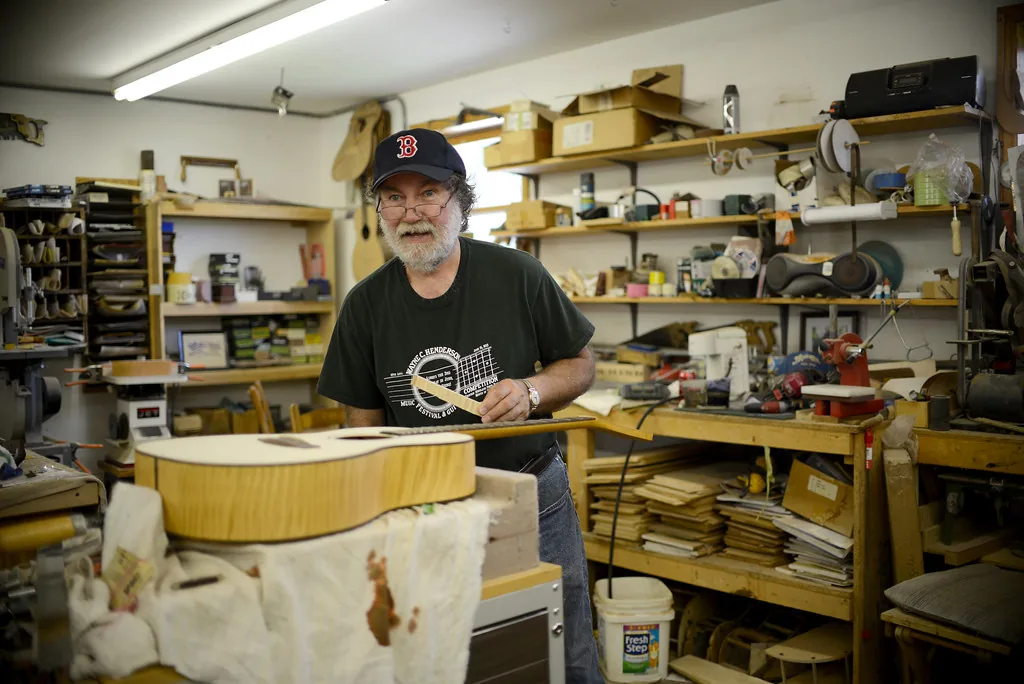
Beyond the CAP, higher-level qualifications such as the professional certificate or BTS are available and offer more advanced specialisation. These programmes help young people develop recognised expertise and open paths into more than 30 different occupations.
The role of SEPR and other institutions
SEPR (Société d’Enseignement Professionnel du Rhône) stands out for offering a work-study programme described as unique in France. This approach allows apprentices to spend around 80% of their time in a workshop, giving them valuable immersion in the techniques of the craft. SEPR also provides training in bow making, a related field that demands great precision.
Compagnonnage complements these programmes. The Tour de France, for example, gives young people the chance to discover different workshops and improve their skills under experienced masters. This exchange of knowledge, together with the development of professional contacts, helps them enter the profession.
Qualifications play a key role in young luthiers’ futures. Discover how structured training can help you acquire the skills needed to succeed in this rewarding field.
Passing on the craft of lutherie: apprenticeships and compagnonnage
Work-study training plays a central role in preparing luthiers. It combines classroom lessons with periods of workshop practice, providing a thorough introduction to the craft.
Work-study training and its distinctive features
Apprentices spend around 80% of their time in a workshop, where they learn basic techniques and refine their skills. The CAP in lutherie, available from age 16, can be a stepping stone to a professional career. This qualification is recognised for the quality of its training and its ability to help young people enter the workforce.
Practical examples and luthiers’ experiences
Pierre Brunet, a young luthier, followed this route. He stresses the importance of motivation and a desire to learn in this demanding field. His experience shows how work-study training brings theory and practice together and provides a solid foundation for a fulfilling career.
| Benefits of work-study training | Challenges |
|---|---|
| • Practical learning • Individual guidance • Faster entry into the workforce |
• High technical demands • Need for sustained motivation • Variable training length |
Compagnonnage complements this training by encouraging cultural and professional exchange. Young people have the opportunity to meet experienced masters, enriching their learning journey.
Traditional and modern approaches to learning
Lutherie offers two approaches to training future craftspeople: traditional apprenticeships and modern courses. These complementary methods differ in how they are delivered and what they offer.
Learning in a workshop under a master craftsperson
Traditional apprenticeships rely on an experienced master passing on knowledge directly. In a professional setting, apprentices acquire practical skills by working with wood and other materials. Centred on the transfer of craft knowledge, this approach provides full immersion in the world of lutherie.
Comparing academic training with workshop immersion
Academic training provides a solid theoretical foundation, while workshop immersion emphasises practice. Together, they help apprentices develop a broad understanding of their future profession. The Tour de France, for example, offers young people a distinctive experience: visiting different workshops and improving their skills under recognised masters.
| Academic training | Practical immersion |
|---|---|
| • Solid theoretical foundations • Structured setting • Preparation for examinations |
• Intensive practice • Learning through experience • Faster entry into the workforce |
The choice between these routes depends on each person’s goals and needs. Both have benefits, and combining them can build the strongest range of skills.

Ultimately, lutherie training benefits from combining tradition and modernity. To learn more about the opportunities these routes offer, consult the detailed document on lutherie training.
The importance of compagnonnage in passing on techniques
Compagnonnage plays a central role in preserving craft techniques. Rooted in history, this model passes on technical skills as well as moral and artistic values. Its rituals and traditions strengthen young luthiers’ commitment and instil a sense of excellence and responsibility.
The values and rituals of compagnonnage
The values of compagnonnage, including high standards and solidarity, guide apprentices throughout their training. Its often symbolic rituals mark key stages in a companion’s journey. Passed down through generations, these practices strengthen the craft’s identity and encourage learning through experience.
The impact of the Tour de France and companion networks
The Tour de France, recognised by UNESCO as intangible cultural heritage, offers young luthiers a distinctive experience. Working in different workshops exposes them to varied techniques and deepens their command of the craft. This travelling model of training supports both technical development and personal maturity. To learn more about this established route, consult the detailed document on the history and impact of compagnonnage.
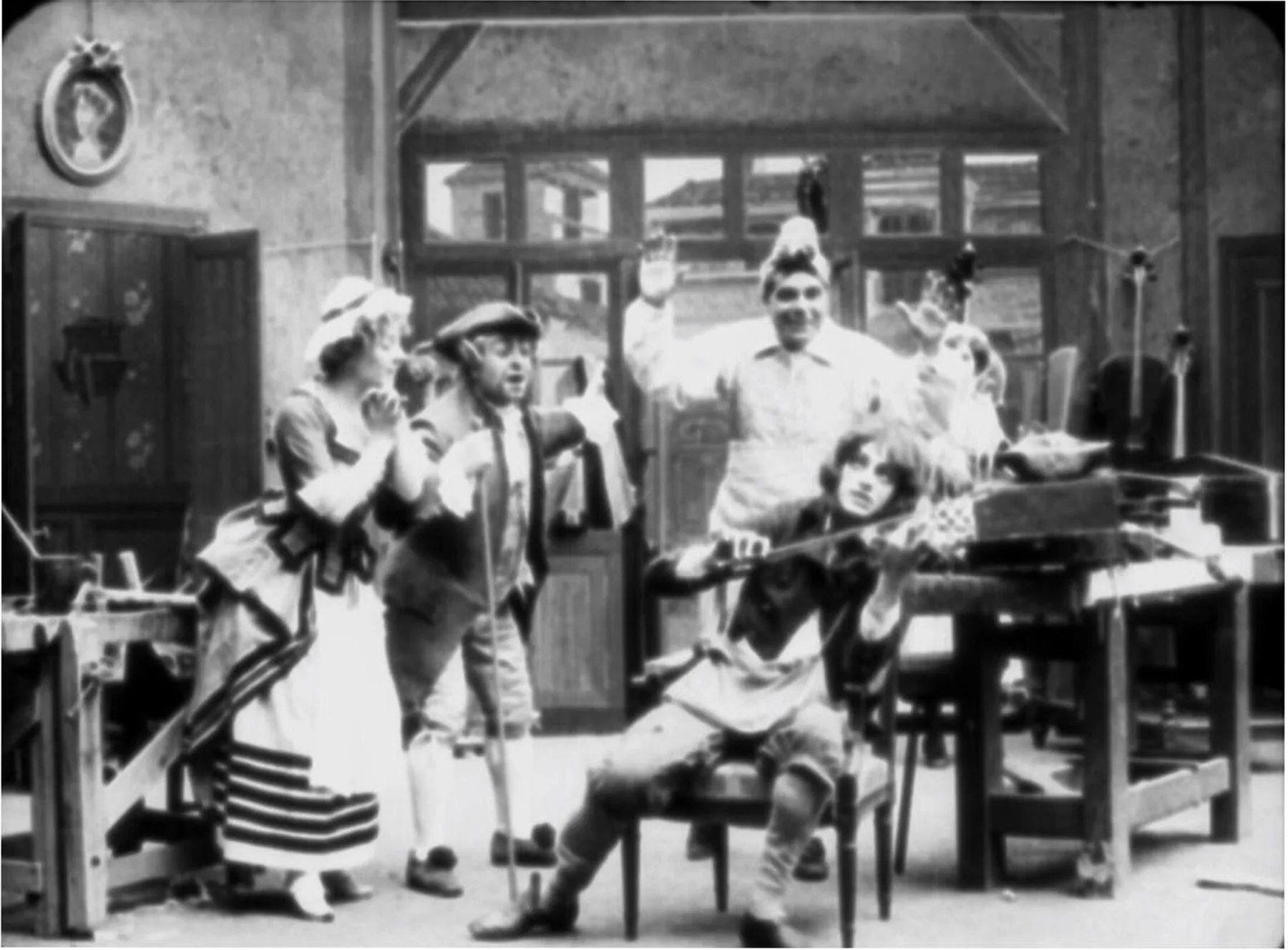
Companion networks also play a key role in helping young people find work. They provide continuing support as young craftspeople combine tradition and modernity. To learn more about these networks, you can contact the relevant institutions through this link.
Conclusion
Lutherie training rests on a balance between tradition and innovation. Academic courses, work-study training and compagnonnage complement one another. Young apprentice luthiers benefit from a supportive learning environment in which differences in age and background need not be obstacles. Every carefully made instrument reflects both the artistic and technical sides of the craft.
Motivation and support from educational institutions can help overcome these challenges. Students who choose this path discover an essential part of their professional identity. Together, these experiences shape a new generation of passionate craftspeople ready to meet the challenges ahead.
FAQ
How do you become a luthier?
What are the main lutherie qualifications?
What is a companion luthier?
What qualities does a luthier need?
How long does it take to learn lutherie?
What is the role of the companions’ Tour de France?
What can you do after lutherie training?
Source links
- https://nationalcareers.service.gov.uk/job-profiles/musical-instrument-maker-repairer
- https://skillsengland.education.gov.uk/apprenticeships/st1440
- https://ich.unesco.org/en/RL/compagnonnage-network-for-on-the-job-transmission-of-knowledge-and-identities-00441
- https://ich.unesco.org/en/decisions/5.COM/6.12
- https://ich.unesco.org/doc/src/07490-EN.pdf


