

Making a cello is a complex process that combines art and technique. This magnificent string instrument, made by an experienced luthier, is the result of dozens of hours of meticulous work. Each part is carefully carved to produce exceptional sound quality.
The choice of model is crucial, because tiny changes can transform the tone. Luthiers often draw on historical models, such as those of Antonio Stradivari, to achieve a recognized standard of quality. The arching and the types of wood, such as spruce and maple, play a key role in the resulting tone.
A luthier’s work demands unfailing precision. Every stage, from selecting materials to final assembly, matters. Then comes varnishing.
Traditional lutherie strikes a balance between tradition and innovation. Luthiers, true craftspeople, preserve generations of knowledge while exploring new ways to shape sound. To learn more about this fascinating process, discover how a luthier shapes sound.
An introduction to traditional lutherie and the world of the cello
Traditional lutherie is an age-old art that combines tradition and innovation. For centuries, luthiers have made string instruments, with the cello holding a prominent place among them. This large instrument is the product of meticulous skills passed down from one generation to the next.
Tradition, history and craftsmanship
Lutherie has roots stretching back several centuries. Early luthiers such as Andrea Amati laid the foundations of the craft by creating landmark instruments. The cello, a close relative of the violin, has evolved over the years while retaining its musical character. Great masters such as Antonio Stradivari left their mark on history by refining these instruments’ shape and tone.
The many sides of a luthier’s work
A luthier is much more than a craftsperson. A luthier is also a maker, restorer and expert. Precision and experience are essential to bringing each part to life. From selecting fine woods, such as spruce and maple, to final assembly, every stage requires complete mastery. Contemporary luthiers trained at respected schools in places such as Brienz and Mirecourt carry on this craft while exploring new ways to shape sound.
Traditional lutherie strikes a balance between art and technique. Every instrument is unique, with its own history and exceptional sound quality. To discover more about this fascinating process, you can visit a luthier’s workshop in Paris.
The key stages of making a cello
Making a cello is a meticulous process that requires great precision and exceptional skill. Every stage, from choosing materials to final assembly, is crucial to producing a quality instrument.
Preparing the wood and choosing the species
The first step is to select quality wood. Spruce is often chosen for the soundboard because it is light and resonates well. Maple is preferred for the back, ribs and neck because of its density and durability. Once selected, these woods are carefully dried to prevent cracks and preserve their acoustic qualities.
Making the resonating body
The ribs are shaped with a heated bending iron and blocks to give them the desired form. The soundboard and back are then shaped with planes, to a precision of one tenth of a millimetre. These steps are essential to the instrument’s resonance and sound quality.
Final assembly
Final assembly includes adding the purfling, which strengthens the edges and adds a decorative touch. The bass bar is positioned to help the soundboard withstand string tension, which can reach about 30 kg. All the parts are joined with animal glue, allowing for future adjustments. This process, which takes about 300 hours, reflects the expertise and passion of a true luthier.
To learn more about the importance of precision in making a cello, you can read this article: Violin and Lutherie: a world of…
Understanding how a cello is made by a traditional luthier
Making a cello is a process in which every detail counts. Every stage, from choosing materials to final assembly, is crucial to producing a quality instrument.
Precise tools and meticulous handwork
Luthiers use precision tools such as the thumb plane and precision calipers to obtain exact measurements. These tools allow them to carve the wood to a precision of one tenth of a millimetre. Handwork is essential when adjusting delicate parts of the cello, such as the back and soundboard.
Materials and their influence on sound quality
The choice of materials is crucial. Spruce is often used for the soundboard because it is light and resonates well. Maple is preferred for the back and ribs because of its density and durability. Once selected, these woods are carefully dried to prevent cracks and preserve their acoustic qualities.
Careful wood selection and precise shaping play a key role in resonance and richness of sound. Even a slight change in thickness or the way the wood is worked can affect the instrument’s tone.
Shaping sound: models, arching and varnish
Making a string instrument is a form of sculpting sound. Every choice and detail affects its final sound quality. Luthiers, artisans of sound, shape the wood precisely to create unique instruments.
Choosing models and shaping the arching
Historical models, such as those of Antonio Stradivari and del Gesù, inspire contemporary luthiers. These time-tested shapes provide a strong acoustic starting point. The arching of the top and back is carved with extreme precision. A difference of one tenth of a millimetre can change the resonance.
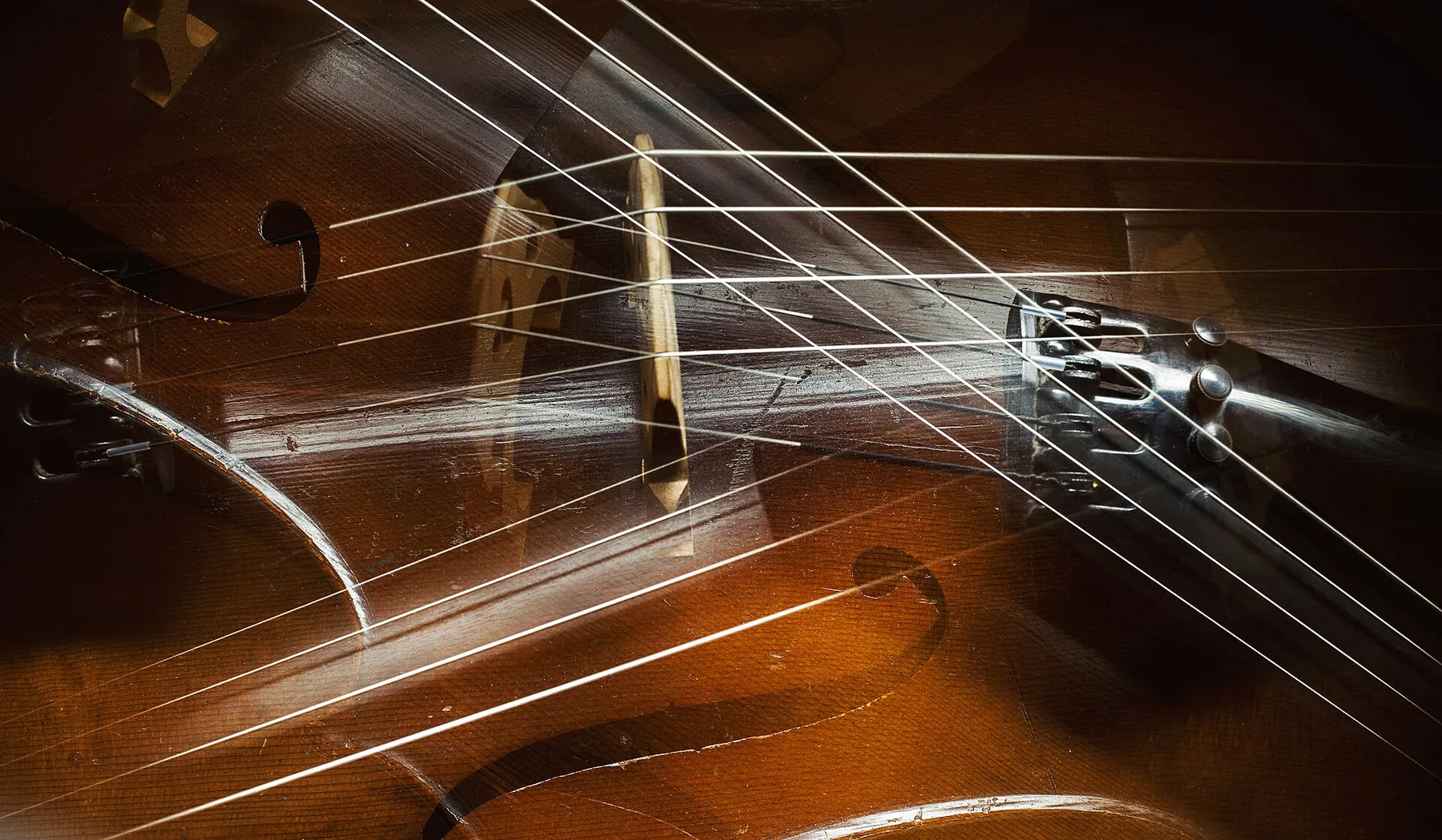
More rounded arching encourages a full resonance, while flatter shapes emphasize higher frequencies. Each choice is guided by the desired sound.
How varnish affects resonance
Varnish plays a key role. If it is too thick, it can dampen vibrations. Flexible varnishes preserve the wood’s natural vibration. They add refinement and protect the instrument without compromising its sound quality.
The great masters applied varnish with skill, giving their instruments an elegant finish. Balancing structure and artistic expression is essential to achieving an exceptional tone.
The essential role of the luthier and the value of craftsmanship
A luthier is much more than a craftsperson: a passionate maker, a meticulous restorer and a recognized expert. Combining precision and art, the work is both a passion and a craft passed down through generations.
Training, experience and changes in the profession
A luthier’s training in France often begins with a CAP vocational qualification in lutherie or instrument making. Renowned schools, such as those in Mirecourt, France, and Brienz, Switzerland, offer comprehensive theoretical and practical training. These courses, which generally last between two and three years, teach students to master specialized tools and the techniques used in making string instruments.
Experience is essential for a luthier. Beginners often start as assistants under a master luthier. Over the years, they refine their expertise and develop their own style. Working with musicians and composers also helps them understand individual needs and adapt instruments accordingly.
The luthier’s profession is constantly evolving. Technological advances, such as digital tools, are gradually being incorporated into traditional techniques. Respect for longstanding methods remains central to the craft, however. A good luthier combines innovation and tradition to create exceptional instruments.
Versatility is another major strength of a luthier. Beyond making instruments, a luthier may specialize in restoring old instruments, adjusting strings or assessing rare pieces. These many roles call for a broad range of skills and a constant pursuit of excellence.
If you would like to learn more about the steps involved in becoming a luthier, see this resource: How to become a luthier?
Conclusion
Making a cello by hand strikes a balance between tradition and innovation. Each instrument, made by an experienced luthier, is the result of many hours of meticulous work. Carefully selected woods, such as spruce and maple, are shaped to produce exceptional sound quality.
A luthier, a true artisan of sound, combines precision and passion to create unique instruments. This age-old craft, passed down through generations, continues to evolve while respecting traditional methods. To discover more about this world of passion and meticulous work, visit a luthier’s workshop in Paris and experience the history and art behind every note.
FAQ
What are the main stages of making a cello?
How important is the choice of wood for a cello?
How do precision and meticulous work affect a cello’s quality?
What is the resonating body, and what does it do?
What skills does a luthier need?
How does varnish affect a cello’s sound?
What is the difference between a handmade cello and a factory-made cello?
How long does it take to make a cello?
What makes a good cello for a musician?
Source links
- https://museodelviolino.org/en/museum-route/room-1-the-birth-of-the-violin/
- https://extension.okstate.edu/fact-sheets/using-wood-for-violin-makers
- https://www.metmuseum.org/essays/violin-makers-nicolo-amati-1596-1684-and-antonio-stradivari-1644-1737
- https://www.southeastmn.edu/programs/violin-repair-and-making/violin-repair-diploma/


