

Varnish, a key element in making stringed instruments, plays a crucial role in the sound and appearance of guitars and violins. Far more than a protective coating, it directly affects resonance and sound projection. Luthiers have developed established techniques for applying varnish, helping distinguish an ordinary instrument from an exceptional one.
Guitars and violins, including the famous Stradivari instruments, owe part of their distinctive sound to the composition and thickness of their varnish. A thin coat promotes better sound projection, while a thick coat can dampen vibrations. Luthiers work carefully and select quality woods to improve the acoustics of their instruments.
For centuries, varnish has been central to instrument making, combining function and appearance. To learn more about the techniques luthiers use and the importance of varnish, contact us to discover how these details make a difference when an instrument is made.
An introduction to varnish in instrument making
Varnish is far more than a protective coating for stringed instruments. It plays an essential role in the sound and appearance of guitars and violins. Luthiers have developed established techniques for applying varnish, helping distinguish an ordinary instrument from an exceptional one.
Guitars and violins, including the famous Stradivari instruments, owe part of their distinctive sound to the composition and thickness of their varnish. A thin coat promotes better sound projection, while a thick coat can dampen vibrations. Luthiers work carefully and select quality woods to improve the acoustics of their instruments.
For centuries, varnish has been central to instrument making, combining function and appearance. To learn more about the techniques luthiers use and the importance of varnish, contact us to discover how these details make a difference when an instrument is made.
The historical and technical foundations of varnishing
For centuries, luthiers have refined their varnishing techniques to produce stringed instruments of exceptional quality. Their pursuit of perfection has led to significant changes in methods, combining tradition and innovation.
Historical development and luthiers’ traditions
Originally, luthiers used craft methods passed down from generation to generation. Though basic, these techniques formed the foundation of modern instrument making. Early violins, for example, were covered with carefully applied coats of oil varnish to protect the wooden soundboard and improve resonance.
Traditional techniques and modern methods
Today, luthiers combine these traditions with technological innovations. New methods include more precise adjustment processes and the use of modern materials. For example, animal glue has given way to higher performance adhesives while preserving the instruments’ authenticity.
These advances can improve durability and acoustic performance. Gypsy jazz guitars illustrate this development: each coat of varnish is applied with great care to bring out the wood grain.
The secrets of varnish in instrument making: its impact on sound and appearance
Far more than a protective coating, varnish plays an essential role in the sound and appearance of stringed instruments. Luthiers have developed established techniques for applying it, helping distinguish an ordinary instrument from an exceptional one.

Effects on tone and wood vibration
A thin coat of varnish allows the wood’s vibrations to travel more freely and can produce clearer, stronger sound projection. The distinctive sound of Stradivari violins, for example, is partly attributed to the composition and thickness of their varnish.
By contrast, a thick coat can dampen vibrations and reduce sound quality. Luthiers therefore work carefully, select quality woods and adjust varnish thickness to improve the acoustics of their instruments.
Visual effects and the beauty of wood grain
Varnish protects an instrument and enhances the wood’s appearance. Classical guitars, for example, can have a glossy finish that brings out the wood grain and adds visual appeal.
The varnish’s sheen can also vary according to how it is applied and which materials are used. Older instruments, such as Baroque violins, often develop a patina over time that reflects changes in the varnish and its contribution to the instrument’s appearance.
Varnish composition and application
The composition and application of varnish in instrument making rely on a delicate balance between tradition and innovation. Traditional ingredients, such as plant oils and natural resins, are often combined with modern products to improve durability and appearance.
| Characteristics | Oil varnish | Spirit varnish |
|---|---|---|
| Advantages | Preserves vibrations; durable finish | Dries quickly; less dependent on conditions |
| Disadvantages | Longer drying time | Risk of unsightly deposits |
| Use | Favoured for stringed instruments | Used when rapid application is needed |
Application techniques vary by varnish type. Oil varnishes, such as those used for stringed instruments, better preserve vibrations, while spirit varnishes dry more quickly. The latter, however, can leave unsightly deposits.
Historically, luthiers developed these techniques in specialised workshops, applying each coat with care. Today, instrument makers incorporate innovations while retaining traditional methods, producing exceptional sound and appearance.
Instrument care and sound performance
Regular care is essential to preserving the sound and appearance of stringed instruments. Environmental factors such as humidity and temperature play a crucial role in the durability of the varnish and, consequently, the instrument itself.
Tips for cleaning and refreshing varnish
To protect the varnish, use a soft, dry cloth. Avoid harsh chemicals, which can damage the protective coating. Here are some practical tips:
- Use a microfibre cloth to wipe the surfaces.
- Avoid products containing alcohol or solvents.
- If necessary, apply a small amount of wax made specifically for instrument varnish.
Take particular care with instruments exposed to changing conditions, as excessive humidity can affect both the varnish and the underlying material.
Precautions against corrosive products
Corrosive products can permanently damage varnish and wood. Avoid them and choose gentler methods, such as cleaners made specifically for musical instruments.
The quality of the original construction also matters. Instruments made with high quality materials need less maintenance and are less sensitive to changes in temperature and humidity.

By choosing quality products and following luthiers’ recommendations, you protect both your instrument’s appearance and its sound. Regular care helps preserve the relationship between material and sound, giving your instrument a long musical life.
Comparing varnished and unvarnished instruments
The difference between an instrument treated with quality varnish and an unvarnished instrument can be noticeable in both sound and durability. This comparison highlights the subtle details that shape a musical instrument.
Effects on sound response and durability
A thin varnish, like those used by master luthiers, allows vibrations to travel more freely and produces a clearer, stronger sound. Gypsy jazz guitars, for example, can benefit from the resonance of a traditional shellac finish.
Conversely, unvarnished instruments may have less resonance and sound projection. Without a protective finish, the wood is also exposed to wear and environmental factors.
Examples of changes and adjustments made by luthiers
Luthiers carefully adjust the thickness and composition of varnish to improve acoustics. The distinctive sound of Stradivari violins, for example, is partly attributed to such precise choices.
Some Gypsy jazz guitars have a glossy finish that brings out the wood grain and adds visual appeal. Though subtle, these details can greatly affect how the finished instrument is perceived.
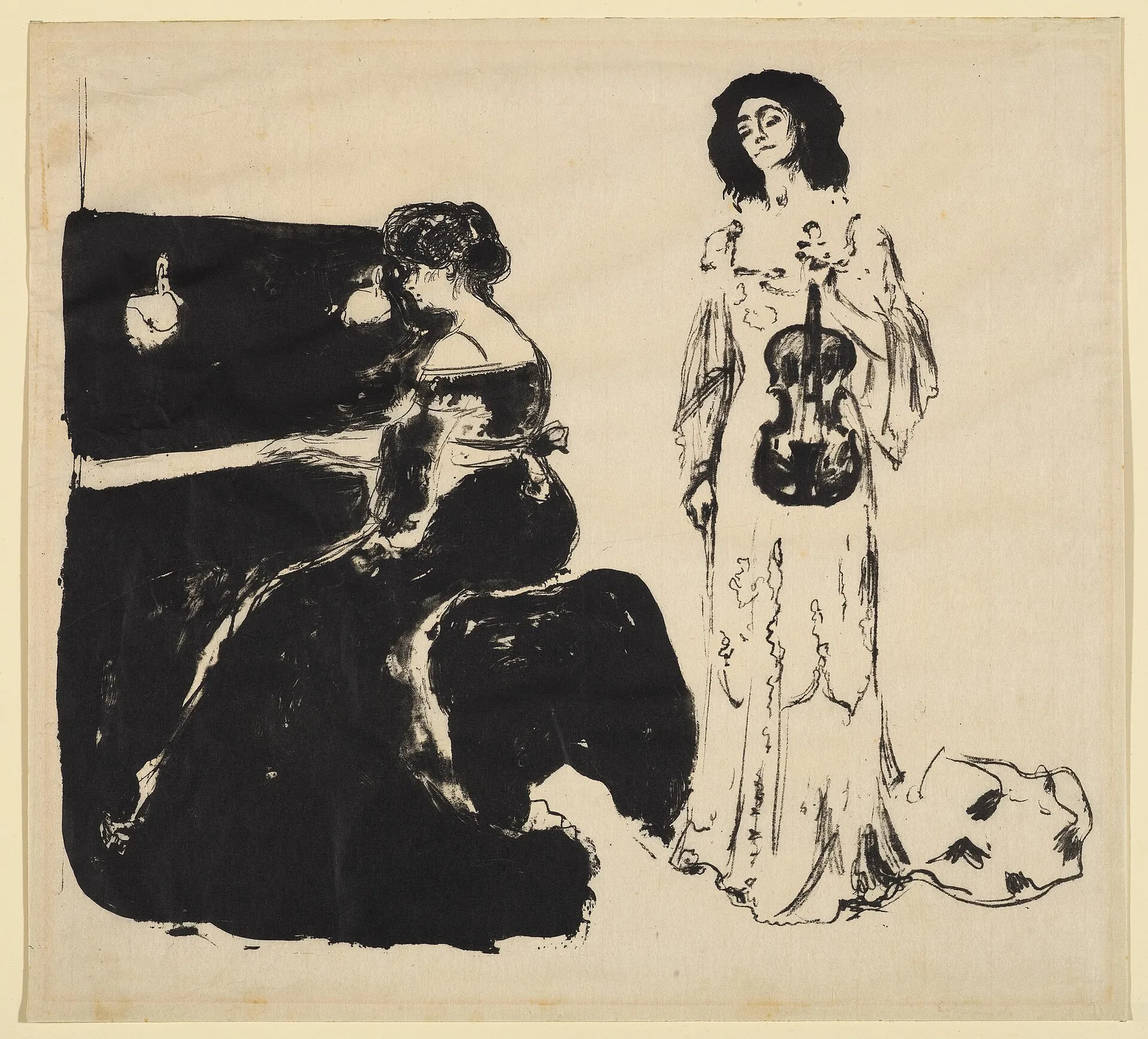
In conclusion, well applied varnish protects an instrument while enhancing its appearance and sound. Through their expertise, luthiers play a crucial role in bringing material and sound together.
How varnishing techniques are changing today
Today, varnishing in instrument making incorporates technological and environmental innovations that are changing traditional methods. These advances affect how instruments are made, how they look and how they perform.
CNC technology and environmental innovations
Computer numerical control (CNC) machines offer remarkable precision in woodworking. They help makers prepare surfaces for a carefully controlled varnish thickness, supporting the transmission of vibrations. Meanwhile, new environmentally conscious formulas, such as varnishes made with plant based ingredients, reduce environmental impact.
Controlled drying and the use of alcohol in some formulas speed up the process while preserving sound quality. These innovations respect the importance of traditional standards while modernising instrument making.
The influence of new trends on instrument appearance
Current trends favour more understated finishes, including matte and natural looks. These choices, combined with better control of varnish thickness, highlight the wood grain and give instruments a modern, elegant appearance.
These developments show a balance between traditional craftsmanship and technological innovation, reshaping the appearance of stringed instruments.
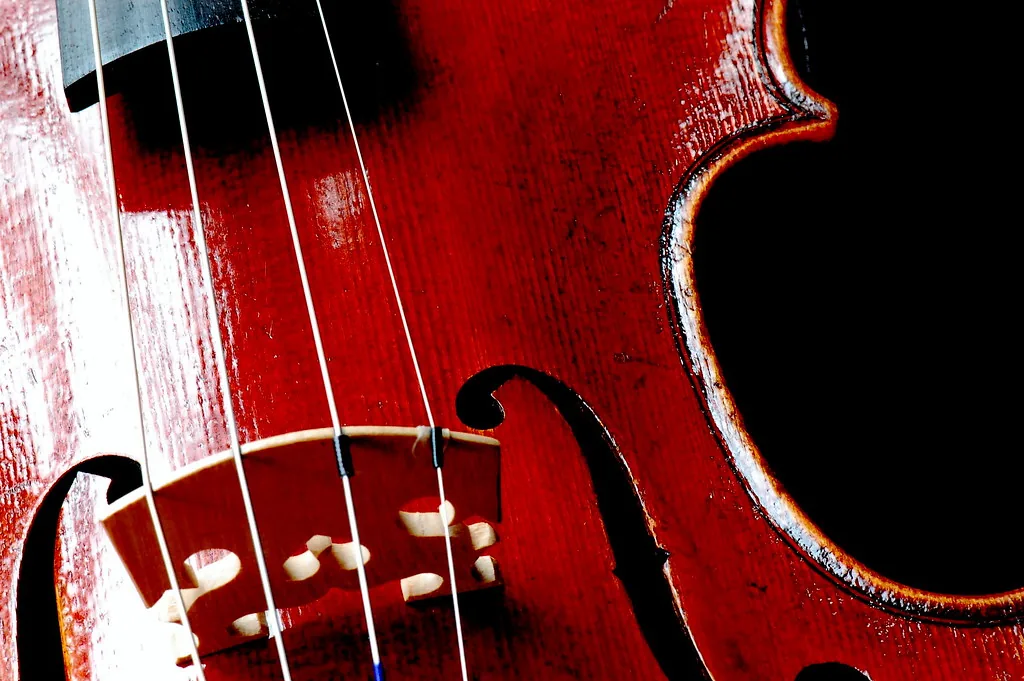
To learn more about the technical gestures used in this process, see our specialist resources.
Conclusion
Varnishing in instrument making relies on a delicate balance between tradition and innovation. Every detail, from the amount of varnish to the application technique, directly affects an instrument’s sound and appearance. By mastering these details, luthiers play an essential role in creating exceptional instruments.
Craft traditions remain respected and are now enriched by modern innovations. This development helps preserve instruments’ authenticity while opening up new possibilities. To explore the subject further and discover the secrets of making stringed instruments, read our dedicated article: The secrets of instrument making.
Ultimately, every part of the varnishing process contributes to the common thread of sound quality. By bringing material and sound together, luthiers create musical instruments that are also enduring works of art.


