

Electro-acoustic guitars have a central place in music, combining rich acoustic tones with the option of amplification. These versatile instruments are used for both studio recordings and live performances.
Making these guitars combines craftsmanship and technology. Luthiers carefully select their materials, particularly the woods that directly influence sound quality. Cedar, for example, produces a soft, warm tone, while spruce encourages clear resonance and long sustain.
Brands such as Tanglewood and Fender offer a range of models, each with its own characteristics. The nut, bridge, and other essential components are assembled carefully for precision. These details affect the instrument’s playability and durability.
A luthier’s time and skill are essential. Careful construction gives a guitar better resonance and a longer life. Whether you are a beginner or an experienced guitarist, choosing an electro-acoustic guitar that suits your needs is essential to getting the most from your instrument.
Introduction to electro-acoustic guitars
An electro-acoustic guitar is an acoustic instrument with the option of amplification. Since their introduction, these guitars have become popular for their versatility.
Background and popularity
The development of electro-acoustic guitars has accompanied advances in music technology. They combine traditional acoustic features with built-in pickups, allowing them to be amplified while retaining their acoustic character.
This combination of tradition and modern technology makes them useful for live performances and studio recordings. Beginners and experienced guitarists alike value their authentic sound and adaptability.
Design goals and challenges
The design of these guitars makes the most of woods such as cedar and spruce, which directly influence their tone. The nut and bridge are key components that require precise fitting for comfortable playability.
Long sustain
| Model | Main material | Sound characteristic |
|---|---|---|
| Classical | Cedar | Soft tone |
| Folk | Spruce | Clear resonance |
| Jumbo | Larch |
Careful construction and the luthier’s skill are essential to achieving high quality. Every detail, from the soundboard to the bridge, contributes to the balance between traditional craftsmanship and modern design.
The luthier’s construction process
Making an electro-acoustic guitar is a meticulous process that combines tradition and innovation. Every stage, from design to final assembly, requires expertise. The luthier plays a central role, turning raw materials into an instrument that is both functional and attractive.
The luthier’s role and skills
The luthier is both a craftsperson and an artist. They carefully choose woods for their acoustic and visual qualities. Cedar, for example, produces a soft tone, while spruce gives a clear resonance. Every part of the guitar, including the nut and bridge, is shaped precisely to make the instrument comfortable to play.

“The luthier brings wood to life, turning a raw material into an instrument that resonates with the musician’s soul.”
“The luthier brings wood to life, turning a raw material into an instrument that resonates with the musician’s soul.”
Initial sketches and custom design
Design begins with detailed sketches tailored to the client’s expectations. The luthier develops a custom model around the player’s preferences for tone and appearance. This personal approach makes each guitar unique.
| Model | Main material | Sound characteristic |
|---|---|---|
| Classical | Cedar | Soft tone |
| Folk | Spruce | Clear resonance |
| Jumbo | Larch | Long sustain |
Custom construction showcases the luthier’s craftsmanship. Every detail is considered carefully to create a rewarding musical experience.
Electro-acoustic guitars in lutherie: how are they made?
An electro-acoustic guitar combines the warmth of an acoustic guitar with the option of amplification. This lets guitarists enjoy a natural tone even when the instrument is plugged in.
What is an electro-acoustic guitar?
Despite a common misconception, an electro-acoustic guitar is not simply halfway between an acoustic and an electric guitar. It remains an acoustic guitar but adds pickups and a preamplifier. These electronic components allow its sound to be amplified while retaining its acoustic character.
- A solid-wood soundboard for rich resonance.
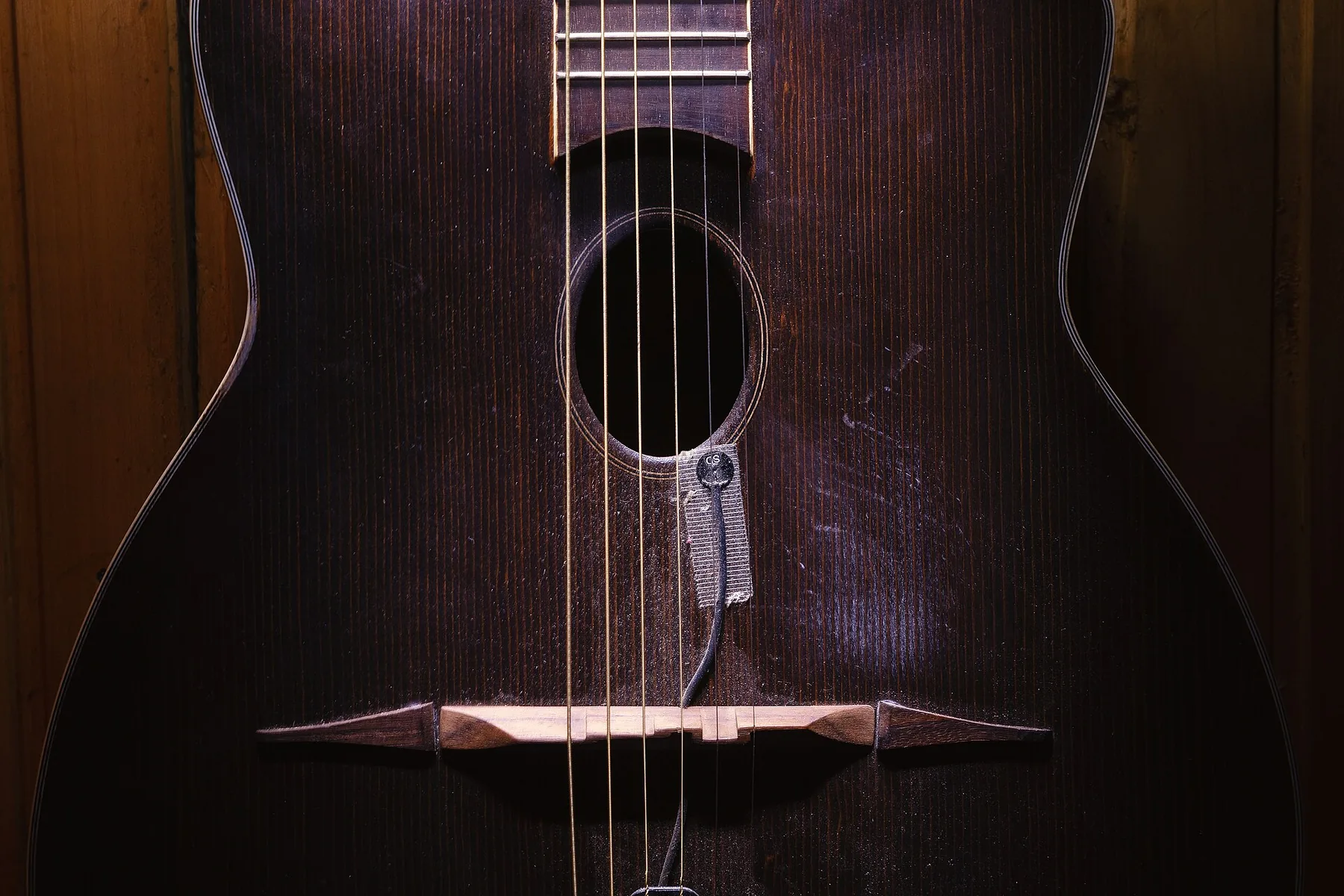
- One or more pickups, often placed beneath the saddle or in the soundhole.
- A preamplification system that lets the player control the sound.
How it compares with other guitars
Compared with standard acoustic guitars, electro-acoustic models add electronics while preserving their acoustic sound. Brands such as Tanglewood and Fender, for example, make models with discreetly integrated electronics that retain the character of an acoustic guitar.
Unlike most electric guitars, they do not rely on a solid body and magnetic pickups for their basic sound. Their main purpose is to reproduce the instrument’s acoustic tone faithfully through an amplification system.
This versatility makes them well suited to live performances and studio recordings. Guitarists can move from an intimate setting to a large stage without changing instruments.
Build quality is essential. Luthiers carefully select materials such as cedar and spruce to achieve good resonance. If you have questions about choosing an electro-acoustic guitar, you can contact a specialist in lutherie.
Selecting and preparing materials
The quality of an electro-acoustic guitar depends greatly on its materials. Luthiers choose woods carefully for their acoustic qualities, strength, and appearance.
Choosing woods and preparing components
Spruce and cedar are especially valued. Spruce, with its close grain, produces a clear, bright tone, while cedar produces a soft, warm one. Each piece is carefully prepared and dried to help prevent warping.
Assembly, shaping, and finishing
Joining the different parts is a crucial stage. The spruce soundboard and figured maple back are assembled precisely. Shaping and polishing bring out the instrument’s natural contours, while the finish protects the wood without unduly restricting its resonance.
| Material | Sound characteristic | Use |
|---|---|---|
| Spruce | Clear, bright tone | Soundboard |
| Cedar | Soft, warm tone | Soundboard |
| Figured maple | Long sustain | Back and sides |
Every stage, from selecting materials to applying the finish, contributes to a balanced, authentic sound. The luthier makes sure the components work together to create a rewarding musical experience.

The guitar market in France reflects this attention to detail, as this market study shows.
Optimizing the electronics and acoustic setup
Electronics play a key role in an electro-acoustic guitar’s performance. Pickups and preamplifiers complement its acoustic sound by allowing the instrument to be amplified while preserving its character.
Installing pickups, saddles, and preamplifiers
Pickups are placed strategically, often beneath the saddle or in the soundhole. Their placement helps capture the instrument’s vibrations. Preamplifiers boost the signal and provide a clear, strong output.
Precise adjustments for an authentic tone
Electronic controls matter. An equalizer lets the player shape the frequencies, while a built-in tuner helps keep the guitar accurately tuned. These adjustments support a balanced amplified sound and high sound quality.
| Pickup type | Characteristic | Placement |
|---|---|---|
| Ribbon pickup | Warm, natural sound | Beneath the saddle |
| Magnetic pickup | Clear presence | In the soundhole |
| Piezo pickup | Precise, detailed sound | Built into the saddle |
Connecting the guitar to an amplifier is essential for faithful sound reproduction. Carefully calibrated settings support reliable performance onstage and a rewarding playing experience.
Conclusion
Electro-acoustic guitars bring together tradition and innovation. Carefully made, they combine the rich sound of acoustic guitars with the versatility of electrical amplification. Suited to live performances and studio recordings, they offer an authentic tone that appeals to beginners and experienced musicians alike.
The construction process, guided by the luthier’s skills, makes the most of woods such as spruce and cedar. Every stage, from selecting wood to careful assembly, contributes to sound quality. Electronic features, including strategically placed pickups and precise controls, allow faithful amplification while retaining the guitar’s acoustic character.
Choosing an electro-acoustic guitar that suits your needs helps you get the most from it. Build quality and attention to detail make a real difference to the playing experience. We encourage musicians to explore the available models and appreciate the craft of lutherie, which continues to develop in response to artists’ needs.
Finally, we thank our readers for their interest and trust. This craft’s combination of tradition and modern methods promises further innovations.
FAQ
What are the main features of an electro-acoustic guitar?
What is a nut, and what does it do on an electro-acoustic guitar?
What is the difference between an electro-acoustic guitar and a folk guitar?
How should I choose an electro-acoustic guitar for my skill level?
Why does the bridge setup matter to the sound?
What materials are used to make an electro-acoustic guitar?
How should I care for an electro-acoustic guitar to extend its life?
What is the difference between an electro-acoustic guitar and an electric guitar?
Source links
- https://www.masterclass.com/articles/types-of-guitars-explained
- https://www.musicradar.com/guitars/acoustic-guitars/from-parlour-to-jumbo-the-beginners-guide-to-acoustic-guitar-body-shapes-and-which-one-is-right-for-you
- https://www.guitarworld.com/features/best-acoustic-electric-guitars
- https://www.guitarplayer.com/lessons/the-12-step-guide-to-electric-and-acoustic-guitar-setup
- https://www.patquerleux-guitares.com/en/history-of-the-acoustic-guitar-from-the-lute-to-today/


