
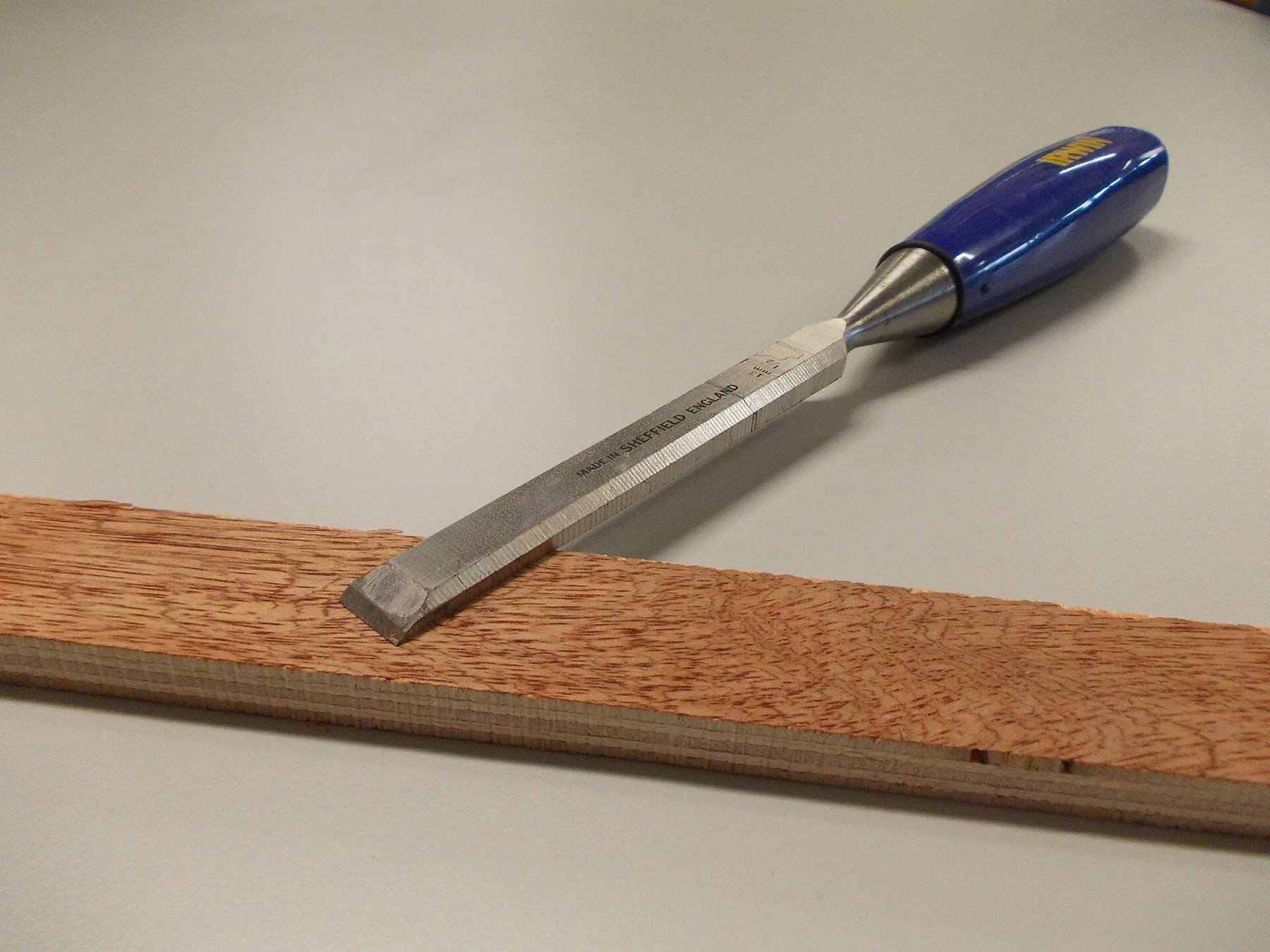
Lutherie, the craft of making and repairing musical instruments, depends heavily on using the right tools. Whether making a guitar or repairing a violin, each stage calls for specific tools. Hand tools and specialized machines alike play an essential role in creating and maintaining quality instruments.
A well-equipped workshop is therefore essential for every luthier. A bright, stable and safe workspace makes precise work possible. Luthier tools have evolved over time, from hand tools to portable power tools and specialized equipment. Planes and scrapers, for example, are indispensable for woodworking, while machine tools handle more complex tasks.
Choosing the right tools for each task, whether measuring, marking or cutting, is crucial. Tool precision and quality directly affect the final result. In this article, we introduce the different types of tools, explain their uses and offer advice on choosing and maintaining them. You will learn how to use them properly for making and repairing guitars and other instruments.
Understanding the importance of tools in lutherie
Tools play a central role at every stage of making a musical instrument. Whether shaping a guitar neck or adjusting its frets, each tool is chosen for its precision and quality. Using appropriate tools helps produce a high-quality finished instrument.
The role of tools in instrument making
Each tool helps turn wood into an instrument. A plane, for example, is essential for creating flat, even surfaces. A scraper smooths surfaces and removes irregularities. Used with accurate measurements, these tools give each piece the desired shape and thickness.
Marking and measuring tools, such as a guide, and chisels are indispensable for laying out lines and cutting precisely. These steps are crucial when making a soundboard or fitting a nut accurately.
Safety and ergonomics in the workshop
A well-equipped, ergonomic workshop supports safe and efficient work. Good lighting and a stable workbench help reduce the risk of accidents. Keeping hand tools and machines properly organized also saves time and prevents hazards.
Safety is closely linked to workmanship. A poorly maintained tool or disorganized workspace can lead to mistakes and accidents. Keep tools in good condition and follow basic safety rules.
Regular maintenance, especially sharpening blades and chisels, extends tool life and keeps performance consistent. It also improves the quality of the instrument and the user’s safety.
Learn more about the tools you need.
Luthier tools: what are they for and how do you use them properly?
Luthier tools are essential for shaping and repairing musical instruments. Each has a specific purpose, from working wood to fitting components.
Using hand tools
Hand tools such as planes and chisels offer exceptional precision. A plane flattens surfaces, while a chisel is suited to precise cuts. These tools are indispensable for adjusting wood thickness and achieving the desired shapes.
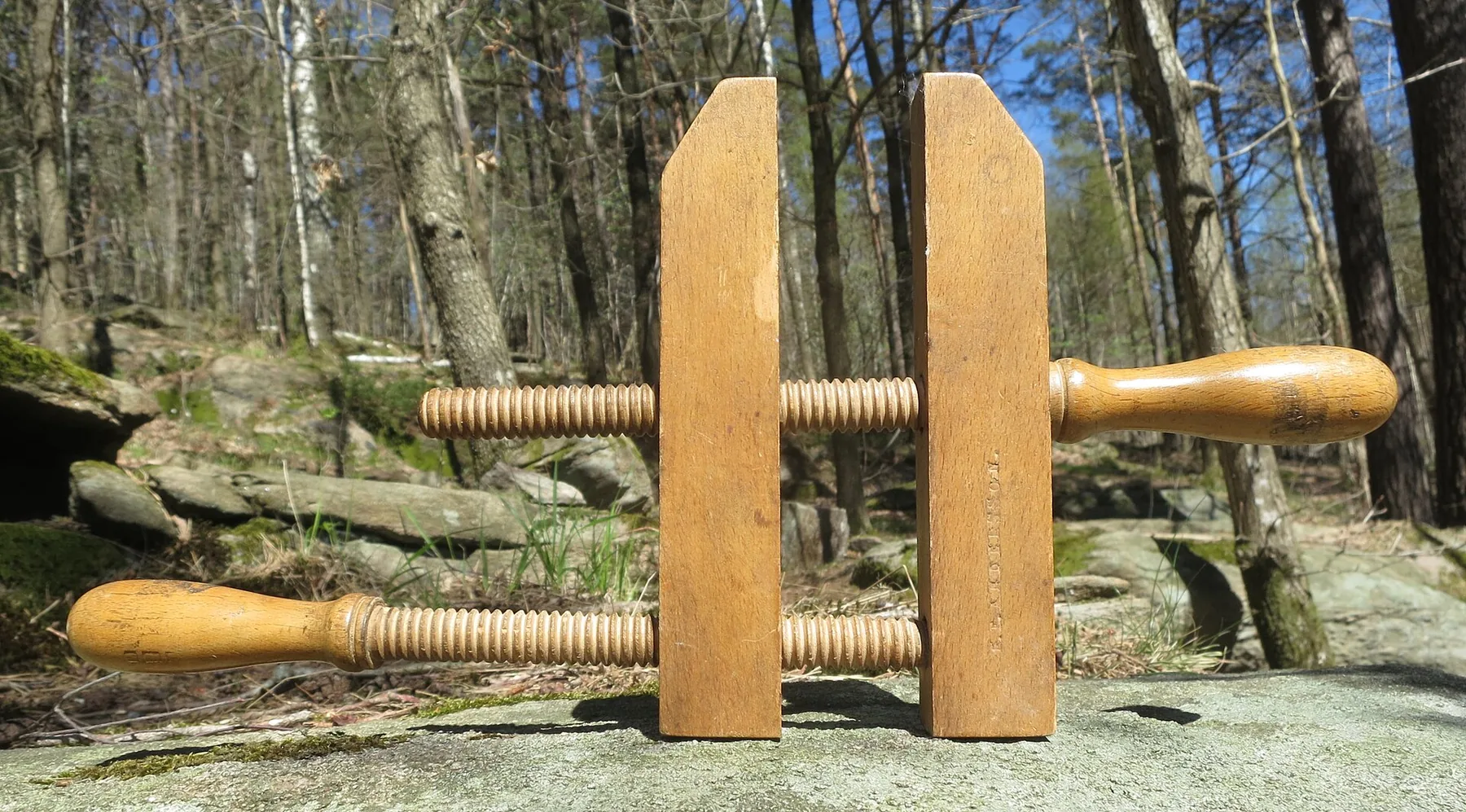
The quality of hand tools directly affects the final result. For example, a well-sharpened plane produces the smooth, even surface needed when making a guitar.
Using portable power tools and machines
Circular saws and drill presses combine speed with precision. A circular saw makes straight cuts, while a drill press produces accurately positioned holes.
A router is also useful for precisely enlarging openings. Hand tools often complement these machines when a high-quality finish is needed.
| Tool | Main use | Advantages |
|---|---|---|
| Plane | Flattening surfaces | Precision and control |
| Chisel | Making precise cuts | Fine work and easy handling |
| Circular saw | Cutting wood in a straight line | Speed and accuracy |
| Drill press | Precise drilling | Stability and repeatability |
By combining hand tools and machines, luthiers can make excellent instruments. Find out how to choose the right tools for your lutherie project.
Essentials for getting started in lutherie
Lutherie, the craft of working wood to make musical instruments, calls for a few essential tools at the outset. Chosen carefully, they make quality construction and repair work possible.
Choosing your basic tools
A good luthier starts by selecting basic tools suited to the job. Planes and chisels are indispensable for woodworking: they flatten and cut wood precisely. A circular saw or drill press is also valuable for accurate cutting and drilling.
Value for money matters. Investing in durable, effective tools is worthwhile. Specialist suppliers such as gaignard-millon.com and bordet.fr offer such tools. A sharp plane, for example, produces the smooth, even surface needed to make a guitar.
Measuring tools, including calipers and dividers, are equally important for accurate dimensions. Remember sanding and polishing tools, which help produce a neat finish.
Finally, regular maintenance, especially sharpening blades and chisels, extends tool life and maintains consistent performance. It benefits both the instrument and the user’s safety.
In short, getting started in lutherie does not require a huge investment. With a few carefully chosen, well-maintained basic tools, you can begin making quality instruments and exploring this rewarding craft.
Specialized machines and equipment for lutherie
Modern lutherie draws on a wide range of specialized equipment, combining tradition with innovation. Industrial machines and homemade tools alike play an important role in making and repairing musical instruments.
An overview of machine tools
Professional machines such as thickness sanders and circular saws help make precise cuts and bring wood to a consistent thickness. They save time while improving the quality of the instrument. A thickness sander, for example, adjusts wood thickness accurately, while a circular saw excels at straight, precise cuts.
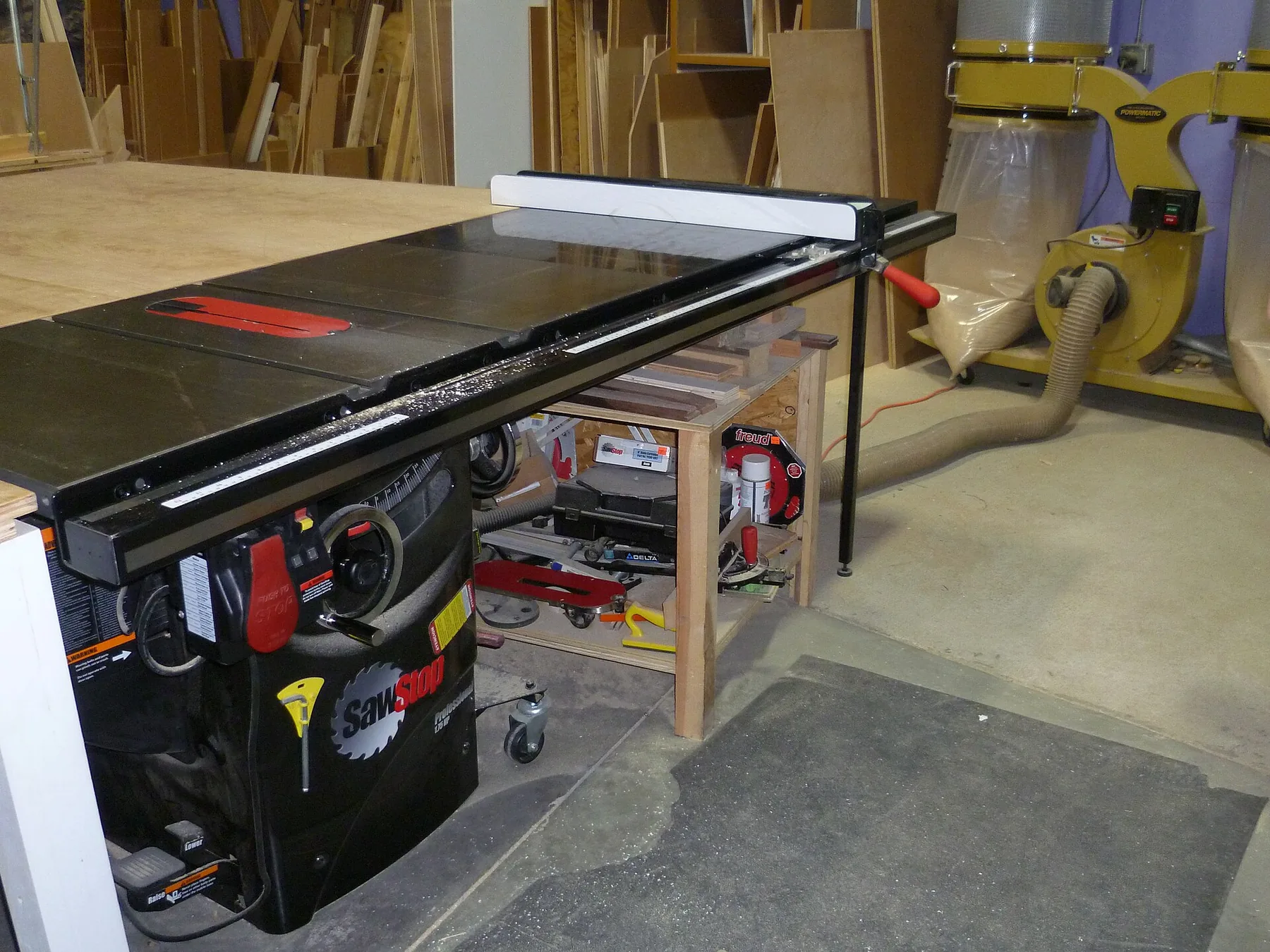
Drill presses and routers are also indispensable. A drill press makes holes with great accuracy, while a router shapes or enlarges openings precisely for well-fitting assemblies.
Custom tools and homemade devices
For hobby luthiers and those who prefer a more personal approach, homemade devices can be economical. A side-bending jig, for example, can be built to shape the sides of a guitar. Although making custom tools takes time and skill, they offer flexibility and can meet specific needs.
Homemade tools can cost less than industrial machines, but they require more time and know-how. They also allow customization that may be difficult with standardized equipment.
Whether you use industrial machines or homemade devices, following safety rules is essential. Misuse can cause accidents, and regular maintenance helps preserve performance and tool life.
In short, whether you choose professional machines or homemade solutions, select tools that suit your quality, precision and budget requirements. For more information on making a guitar, see this detailed guide.
Tips for buying and maintaining your tools
Buying and maintaining quality tools is essential for anyone interested in making or repairing musical instruments. Whether you are a hobbyist or a professional, well-chosen and well-maintained tools make a real difference.
Where to find quality tools
For reliable tools, consider specialist suppliers such as gaignard-millon.com and bordet.fr. They offer broad ranges suited to lutherie, with an emphasis on quality and durability. Compare their offerings to find good value.
How to maintain and sharpen your tools
Regular maintenance extends tool life. Use a Japanese water stone to sharpen blades and chisels. Protect hand tools such as planes from dust and moisture. A cover or storage in a dry place may be enough.
For a neat finish, choose care products suited to the surface. For example, use a soft cloth and an appropriate cleaner on delicate materials. Keep your workshop clean and organized to prevent accidents and work more efficiently.
Setting up a luthier’s workshop
A well-arranged workshop is essential for quality and safety. It lets you work accurately and comfortably while reducing mistakes and accidents.
Why a well-lit workspace matters
Good lighting helps you see the details of your work clearly. Natural light or quality LED lamps positioned to avoid shadows are ideal. They help you distinguish subtle variations in the wood and apply finishes carefully.
Good lighting also reduces eye strain and improves the concentration needed for delicate tasks such as sanding or fitting guitar strings.
Workshop organization and safety
Arrange your workspace ergonomically. A stable workbench at a suitable height lets you work comfortably. Keep tools within easy reach to save time and avoid unnecessary movements.
Organization is part of safety. Store sharp tools properly and keep machines out of children’s reach. A clean, well-ventilated work area supports healthy and efficient work.
A well-maintained workshop, with sharp tools and clean work surfaces, also helps you achieve better results and make longer-lasting instruments.
Combining traditional skill with modern innovation
Lutherie is an age-old craft that has adopted technological advances over the years. Combining tradition and modern methods can produce exceptional musical instruments.
The benefits of modern tools
Digital tools such as CNC machines and computer-controlled milling machines offer exceptional precision. A CNC 3018 Pro, for example, can make complex cuts quickly. These technologies reduce production time and can improve finish quality.

Portable power tools such as the Dremel are useful too. They help with fine, precise work when making intricate components, including parts of a guitar’s fretwork.
Bringing traditional and modern techniques together
Traditional luthiers still use hand tools passed down through generations. Planes and chisels provide excellent control over woodworking and can produce outstanding finishes.
Modern innovations complement traditional techniques, especially for repetitive or complex tasks. A CNC machine, for example, can drill precise holes quickly, while a hand chisel can refine small details.
Combining these approaches allows luthiers to make instruments that unite tradition and modern methods. The result can be an instrument with excellent precision, appearance and quality.
Conclusion
Lutherie combines tradition and innovation, and depends on choosing tools carefully and using them skillfully. To make a quality instrument such as a guitar, select tools suited to each job, from planes for woodworking to chisels for precise cuts. Material thickness and quality, particularly that of the wood, also matter.
An organized workshop and diligent tool maintenance provide good working conditions. Details such as the frets and neck need careful finishing for an instrument to meet its intended playing and sound requirements. Traditional techniques and modern innovations together offer ways to meet many different needs.
Investing in quality tools, maintaining a suitable workspace and using available learning resources will help you progress in lutherie. Specialist guides can deepen your knowledge as you develop your skills in this engaging craft.
FAQ
What tools are essential for making a guitar?
How should you maintain luthier tools?
Why does tool quality matter?
Where can you find quality luthier tools?
How should you set up a luthier’s workshop?
What are the main steps in making a guitar?
How do you choose suitable wood for a guitar?
Why is the finish important?
How do you adjust string height?
What are the advantages of modern luthier tools?
Source links
- https://www.careerexplorer.com/careers/luthier/
- https://www.labellenote.fr/en/lutherie/instruments_a_vent/la_technique/alesoirsconiques/
- https://www.guitariq.com/articles/fretboard-anatomy-101-guitar-notes-for-beginners
- https://www.libertyparkmusic.com/?p=9777
- https://gradatim.tools/reference/glossary/
- https://liutaiomottola.com/PrevPubs/WipingVarnish/WipingVarnish.htm


