

Electric guitar making is an art that combines tradition and innovation, focusing on the construction and customization of electromechanical instruments. Since the first electric guitars emerged in the 1930s, the craft has evolved remarkably, shaped by technological advances and changing musical needs. Today, luthiers continue to push boundaries, exploring new materials and techniques to create instruments with distinctive sounds and improved ergonomics.
Innovations in this field have transformed the way musicians interact with their instruments. For example, dual-coil pickups have reduced unwanted noise, while modern materials such as carbon fiber offer greater durability. Advanced amplification systems also provide greater tonal flexibility and meet the needs of contemporary guitarists.
This chapter explores the technical features and recent innovations of electric guitar making, highlighting how materials, construction and key components affect sound quality and the playing experience. It is intended for enthusiasts and professionals alike and offers a broad view of this continually evolving craft.
Introduction to electric guitar making
The history of the electric guitar is marked by innovations that revolutionized music. From the first patents for electromagnetic pickups in the early twentieth century, the instrument evolved to take a central place in many musical genres.
Historical background and evolution
Early electric guitars, such as the Gibson ES-150 and the Fender Stratocaster, marked turning points. Their groundbreaking designs allowed musicians to explore new sounds. Advances in construction, from pickups to modern amplification systems, transformed the way guitarists make music.
Why innovations matter
Technical innovations, such as humbucking pickups and modern materials, have improved sound quality and ergonomics. They meet the needs of contemporary guitarists by offering greater flexibility and durability. Electric guitar making has had an enormous impact on music, influencing genres such as jazz, rock and blues.
Electric guitar making continues to develop as luthiers push the limits of sound and design. Learn more about the evolution and innovations of this iconic instrument.
Technical features of electric guitars and basses
Electric guitars and basses are distinguished by technical components that directly affect sound quality. The body, neck and electronics all play a central role.
Key components and their roles
Pickups detect string vibrations and convert them into an electrical signal. The bridge and nut help transmit vibrations effectively. Potentiometers control tone and volume.
Strings determine an instrument’s range and sustain. The choice of materials, such as wood or carbon fiber, affects its sound and durability.
Differences from acoustic instruments
Unlike acoustic instruments, electric guitars do not rely on body resonance to produce their amplified sound. Acoustic instruments use a resonating body, while electric instruments use amplifiers.
Electric guitars also offer a wider variety of sounds through their advanced electronics.
| Feature | Electric guitar | Acoustic guitar |
|---|---|---|
| Sound production | Through pickups and amplifiers | Through the resonating body |
| Materials | Wood, metal, electronics | Natural wood |
| Tonal flexibility | High | Limited |
Understanding these technical features helps us better appreciate the evolution of the guitar and its impact on modern music.
Electric guitar making: distinctive features and innovations for guitars and basses
Electric guitar making combines tradition and modern methods to produce instruments with unique characteristics. Luthiers continue to push boundaries by exploring new materials and techniques to improve sound quality and ergonomics.
Technical and aesthetic innovations
Recent innovations, such as the floating top and carbon fiber neck, are changing how instruments are made. The innovative vibrato system developed by Patrice Vigier is a notable example. These technical advances provide greater durability and a richer sound.
Impact on sound quality and sustain
Modern materials, such as carbon fiber, improve sustain and resistance to temperature changes. Bridges and steel strings enhance treble clarity and sound projection. These innovations give guitarists greater expressive range.
| Innovation | Benefits |
|---|---|
| Floating top | Improves sustain and resonance |
| Carbon fiber neck | Increases durability while reducing weight |
| Innovative vibrato system | Provides accurate return to pitch and greater stability |
The combination of traditional craftsmanship and modern technology is essential to luthiers. Discover more about these innovations and contact experts in instrument making to learn more.
Essential steps in building an electric guitar
Building an electric guitar is a meticulous process that combines craftsmanship with technical precision. Every step, from selecting materials to final assembly, is crucial to producing a quality instrument.
Preparing materials and cutting the wood
The first step is to select quality woods, such as maple or mahogany, for the body and neck. Precise cutting from detailed plans is essential to achieve the desired shape. Tools such as a drill and wood file help produce accurate results.
Assembling the body and neck
Joining the body and neck requires great care. The joints must fit precisely to ensure strength and optimal resonance. This step largely determines the instrument’s balance and playability.
Final setup and compensation
Final setup includes adjusting the action, intonation and string compensation. These adjustments are essential for accurate notes and balanced resonance. An experienced luthier ensures that every detail contributes to the guitar’s sound quality and durability.
By following these steps carefully and respecting traditional craftsmanship, you can produce an electric guitar with balanced tone and optimal sustain that meets musicians’ expectations.
Tools and materials for building your own electric guitar
Building an electric guitar requires specialized tools and quality materials. Both are essential to creating an instrument with outstanding sound.
Essential luthier’s tools
Essential tools include wire cutters, a wood file, a hacksaw, a plane and a drill. Each plays a crucial role in preparing and assembling the guitar’s parts.
Choosing woods and other materials
The choice of wood has a major effect on the guitar’s sound and appearance. Maple, basswood and walnut are especially valued for their acoustic qualities and visual appeal.
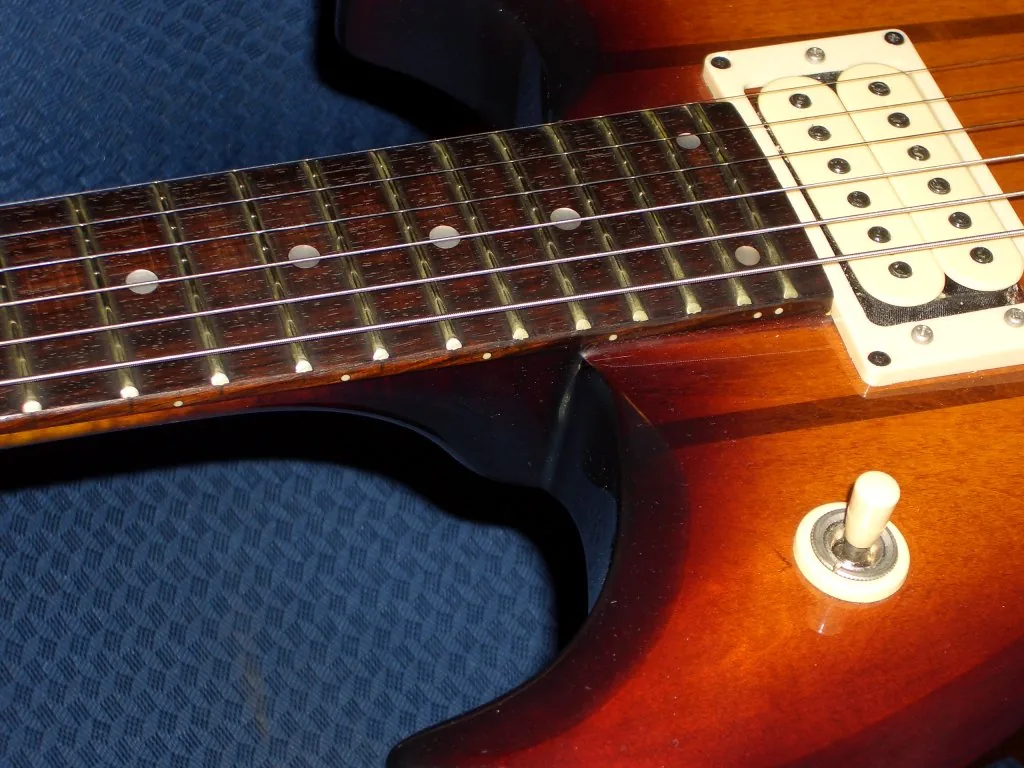
Modern materials, such as carbon fiber, offer greater durability and a rich sound. Luthiers can also choose composite materials to reduce the instrument’s weight without compromising sound quality.
The quality of the tools and materials directly affects the success of the build. Balancing tradition and innovation makes it possible to create distinctive, high-performing instruments.
Customization and alternative approaches to construction
Customization is central to contemporary instrument making and gives musicians the opportunity to create unique instruments. A custom guitar can be tailored in every detail to a musician’s wishes, while iconic models such as the Telecaster and Les Paul offer proven quality.
Custom guitars and iconic models
A custom guitar stands out because it is carefully tailored to the player’s preferences. Its advantages include improved ergonomics and a personalized sound. Classic models such as the Stratocaster, meanwhile, offer reliability and instant recognition.
Examples of innovative builds
Luthiers experiment with new combinations of materials, such as carbon fiber and exotic woods, to improve durability and sound. For example, hybrid models pair mahogany bodies with carbon fiber necks, offering exceptional lightness and extended sustain.

A luthier’s creativity can turn an instrument into a work of art, as this quotation from Jean-Luc, a renowned luthier, suggests:
“Customization can elevate an instrument by connecting it closely with the artist.”
These choices directly influence ergonomics and originality, offering a unique musical experience.
The importance of choosing the right wood
The choice of wood plays a decisive role in an electric guitar’s sound quality and durability. Each type has distinctive characteristics that influence the instrument’s tone, sustain and projection. Understanding these differences helps luthiers select materials suited to musicians’ expectations.
Acoustic characteristics of different woods
The woods used in guitar making offer different sounds. Mahogany, for example, is valued for its warm, balanced tone, while maple is known for prominent highs and a crisp attack. Alder offers a softer, more balanced sound.
Wood density also plays a key role. A dense wood such as rosewood produces a rich, sustained sound, while a lighter wood such as poplar offers a more immediate response and clear projection.
Effects on sound and durability
Wood directly influences sound. A mahogany guitar produces warm lows and prominent mids, while a maple guitar offers bright highs and a precise attack. This variety lets musicians choose an instrument suited to their style.
Durability also depends on the wood. Dense, hard woods such as rosewood offer greater resistance to scratches and warping. Softer woods such as basswood may be more vulnerable, but provide a lightness some guitarists appreciate.
| Wood | Tonal characteristics | Typical use |
|---|---|---|
| Mahogany | Warm sound, extended sustain | Rock and blues guitars |
| Maple | Bright highs, crisp attack | Jazz and fusion guitars |
| Alder | Balanced sound, quick response | Acoustic and folk guitars |
In short, choosing the right wood is a crucial step in building an electric guitar. It allows sound, durability and appearance to be balanced in a custom instrument suited to a musician’s artistic needs.
Modern innovations in electric guitar making
Recent technological advances have transformed electric guitar construction through composite materials and sophisticated technology. These innovations offer richer sound and greater durability.
Using composite and alternative materials
Luthiers now experiment with composite and alternative materials. Carbon fiber, for example, is used to reinforce necks and bridges, providing greater stability and longer sustain. Composites also improve durability and reduce an instrument’s weight.
New technology: vibrato, amplifiers and adjustable pickups
Modern technology has advanced as well. Innovative vibrato systems, such as those developed by Andy Powers, offer better stability and greater precision. Adjustable pickups and amplifiers with ample headroom offer a broader range of tones to meet contemporary guitarists’ needs.
Recent innovations also include hybrid models that combine traditional materials with modern components. Some guitars, for example, incorporate carbon fiber tops or steel strings for clearer sound and better projection.
| Innovation | Benefits |
|---|---|
| Composite materials | Greater durability and lower weight |
| Innovative vibrato | Greater stability and precision |
| Adjustable pickups | Greater tonal flexibility |
These technological advances, combined with quality materials, enrich the playing experience. Luthiers continue to push boundaries by creating instruments that blend tradition and modern technology and meet the expectations of today’s musicians.
Setup techniques for optimizing tone
A precise electric guitar setup is essential for optimal tone. When performed by an experienced luthier, these adjustments improve both sound quality and playability.
Adjusting action and intonation
Action, or string height, must be adjusted to prevent fret buzz and ensure comfortable playing. Action that is too high can make playing difficult, while action that is too low can cause buzzing. Intonation is crucial to accurate pitch along the whole neck. Correct intonation ensures that every note, wherever it is played on the neck, rings clearly and accurately.
Luthiers use specialized tools to adjust saddles and bridges, taking string tension and material into account. Steel strings, for example, require more precise adjustment than nylon strings.
Adjusting pickups and vibrato
Pickups detect string vibrations and turn them into electrical signals. Their height must be adjusted to avoid unwanted noise and optimize output. Proper pickup adjustment maintains a balanced sound across playing positions.
The vibrato system, which lets players change the pitch of notes, must be adjusted to maintain tuning stability. Modern systems, including those developed by well-known brands, offer greater precision and durability.
| Component | Adjustment | Effect on sound |
|---|---|---|
| Action | Adjusting string height | Improves playability and reduces fret buzz |
| Intonation | Adjusting the saddles | Keeps notes in tune across the neck |
| Pickups | Adjusting pickup height | Optimizes output and clarity |
| Vibrato | Stabilizing the system | Allows accurate pitch changes without detuning |
In short, precise adjustments to the action, intonation, pickups and vibrato are essential to optimizing an electric guitar’s sound. Done carefully, they give musicians a better playing experience and reliable performance on stage.
Practical advice for guitarists and beginning luthiers
To start building or repairing an electric guitar, you need suitable equipment and reliable guidance. Whether you are a beginner or an enthusiast, online resources and expert tips can guide you through this creative process.
Online resources and tutorials
- Video tutorials: YouTube channels such as Guitar Setup and Luthier TV offer detailed demonstrations of guitar repair and setup.
- Discussion forums: forums such as Guitare.com and Lutherie.net are full of advice and discussions among enthusiasts.
- Practical guides: Lutherie Musique offers comprehensive guides for beginners.
Common mistakes and expert tips
The most common mistakes include choosing unsuitable tools and neglecting string setup. Here are some tips for avoiding these pitfalls:
- Choose quality tools: a wood file and hacksaw are essential for precise work.
- Pay attention to string tension: incorrect tension can damage the neck or bridge.
Expert advice
Experienced luthiers emphasize the importance of patience and practice. As Jean-Luthier, a renowned luthier, puts it:
“Patience is key. Every step must be approached with care to produce a quality instrument.”
Testing and checking the setup
After setting up your guitar, play several chords to check the tuning. A common mistake is to neglect intonation, which affects pitch accuracy along the whole neck.
Finally, test your instrument regularly to make sure it meets your tonal expectations. With practice and careful adjustments, you can achieve a quality electric guitar.
Conclusion
The electric guitar, an iconic twentieth-century instrument, has evolved through technical innovations and thoughtful material choices. Since the first electric basses appeared in the 1950s, makers have developed a wide variety of models suited to musicians’ needs. Today, luthiers continue to explore new approaches that combine traditional craftsmanship with modern technology.
Advances in construction, such as composite materials and improved adjustment systems, have made exceptional sound quality possible. Guitarists and bassists can now choose personalized instruments with an unprecedented range of sounds and ergonomic options. Customization meets the particular demands of each artist, whether through bespoke models or innovations such as carbon fiber bridges.
In conclusion, electric guitar making is a continually evolving craft in which every stage, from selecting woods to final assembly, contributes to an exceptional instrument. Recent innovations, such as active systems and high-tech materials, open promising possibilities for musicians. We encourage you to explore these options and deepen your knowledge of instrument making to better appreciate this unique instrument. Thank you for reading, and feel free to consult the additional resources to learn more.
FAQ
What are the main differences between an electric guitar and an acoustic guitar?
How do I choose the right wood for an electric guitar?
What is a luthier’s role in making an electric guitar?
How can I improve my electric guitar’s sustain?
What are some recent electric guitar innovations?
How should I maintain my electric guitar to preserve its quality?
How important is the soundboard on an electric guitar?
How do I choose a suitable amplifier for my electric guitar?
What are the characteristics of a quality electric guitar?
How can I customize my electric guitar?
Source links
- https://www.guitarstore.fr/en/technological-innovations-in-the-world-of-electric-guitars/
- https://www.history.com/this-day-in-history/august-10/first-ever-electric-guitar-patent-awarded-to-the-electro-string-corporation
- https://www.musicradar.com/news/guitars/classic-electric-guitar-designs-a-beginners-guide-632493
- https://www.guitarstore.fr/en/the-history-of-the-electric-guitar-from-its-origins-to-the-modern-era/
- https://www.metmuseum.org/essays/the-guitar


