

To get started in lutherie, you need to know where to begin and which steps to take first. Depending on your knowledge, budget, and equipment, you have two main options: buy a guitar kit or build a guitar from scratch.
Guitar kits are available at competitive prices, but they often need additional adjustments and finishing. If you are comfortable with DIY projects, you can also build a guitar from scratch by buying the components separately and making the body and neck yourself. This option takes more patience and experience, but it lets you create a unique, personalized instrument.
To learn more about the benefits of guitar kits, read the next section.
The benefits of guitar kits
Guitar kits are a popular choice for beginners in lutherie. Available at a wide range of prices, they offer an option for every budget.
Although these kits are affordable, they generally need adjustments, particularly to the neck and frets. This is an excellent opportunity to learn and develop the skills needed to build a guitar.
You may also need to apply a finish, such as paint and varnish, to get the appearance you want. Despite this extra work, guitar kits are worth considering because they introduce beginners to the different stages of lutherie.
When you buy a guitar kit, you will also have access to the basic lutherie tools needed for assembly. You can become familiar with the tools used in lutherie while saving time and money.
Comparing guitar kits and guitars built from scratch
| Guitar kits | Guitars built from scratch |
|---|---|
| Affordable option for beginners | Opportunity to create a unique instrument |
| Neck and fret adjustments needed | Full control over the building process |
| Finishing needed, including paint and varnish | Complete control over design and finish |
| Time and money saved thanks to the included tools | A more complex and rewarding experience |
In short, guitar kits are an excellent option for beginners in lutherie. They are affordable and help you learn and develop the skills needed to build a guitar. Despite the adjustments they require, kits help you become familiar with the stages of lutherie while saving time and money.
Building a guitar from scratch
If you have more DIY experience and want to create a fully customized guitar, you can build a guitar from scratch. It takes more patience and skill, but it can be extremely rewarding. You can start by buying a premade neck, then make the body from a piece of wood chosen for its acoustic qualities. Next, you will need to buy the components, including pickups, electronics, and hardware. Although this option requires a few more tools, a basic set of DIY tools should be enough to get good results.
Creating a fully customized guitar
Building a guitar from scratch lets you create a fully customized instrument suited to your tastes and musical needs. You can choose every detail, from the wood used for the body and neck to the pickups and electronics you install. This creative freedom lets you build a one-of-a-kind guitar.
Building a guitar from scratch takes time and skill, but the result is a piece of craftsmanship that brings wood and music together and gives you great satisfaction.
To begin, you can buy a premade neck, since making a guitar neck requires particular expertise. You can then choose quality wood for the guitar body. Be sure to select wood with suitable acoustic properties and an appealing appearance.
You can buy components such as pickups and electronics separately, then install them yourself. This lets you choose your guitar’s sound and features to suit your preferred musical style.
Tools you will need
To build a guitar from scratch, you will need various lutherie tools. Here are the basics:
- Hacksaw for shaping the body and neck
- Rasp for refining the neck’s contours
- Drill for making holes for the tuners and hardware
- Router bits for shaping cavities for the pickups and electronics
- Sander for smoothing wooden surfaces
- Vise for holding parts in place while you work
- Measuring tools, such as calipers and rulers, for accurate dimensions
Tips for building a guitar from scratch
For good results when building a guitar from scratch, follow these tips:
- Plan and draw your guitar before you begin. This will help you visualize the finished instrument and anticipate the steps involved.
- Work slowly and precisely. Building a guitar requires patience and attention to detail.
- Use quality materials. Choose woods with suitable acoustic properties and buy reliable components.
- Learn about established lutherie practices and techniques. Many online resources and books cover the subject.
- Ask other luthiers, whether amateurs or professionals, for help or advice. The lutherie community is often willing to share its expertise.

With patience, practice, and some experience, you can build a guitar from scratch that meets all your requirements. Whether you are an amateur luthier or a music enthusiast, building a guitar is a rewarding experience that lets you play a unique, personalized instrument.
Choosing your guitar’s design
When you build your own guitar, you have two design options. You can make a copy of a legendary guitar to familiarize yourself with the techniques involved, or let your creativity guide you and design a unique guitar. Beginners in lutherie are often advised to start by copying existing models: this helps them understand established practices and produce a functional instrument.
Following specifications such as scale length, neck angle, and fret spacing is essential to making a quality instrument. By copying respected models, you can ensure that these specifications are met. You can also learn the building and sound-improvement techniques used by professional luthiers.
If you want to explore your creativity and make a unique guitar, you can design your own. Draw inspiration from your tastes, playing style, or aesthetic preferences. You can experiment with different body shapes, wood combinations, inlays, and finishes.
Creating a custom design requires a good understanding of basic lutherie principles, particularly sound balance, structural stability, and function. It is also important to consider ergonomics and playing comfort when designing your guitar.
Whether you copy an existing model or create your own design, make sketches and detailed plans before you start building. This will give you a clear picture of your project and help you avoid costly mistakes.
“Lutherie is a blend of art and science. When designing your guitar, take time to explore different options and think about what truly appeals to you. Your guitar will be an extension of yourself, so make sure it fully reflects who you are.” — Michael Collins, experienced luthier
To give you a clearer idea of different guitar designs, this table compares the features of a few iconic models:
| Model name | Guitar type | Body | Neck | Pickups |
|---|---|---|---|---|
| Fender Stratocaster | Electric guitar | Solid alder or ash body | Bolt-on maple neck with maple or rosewood fingerboard | Three single-coil pickups |
| Gibson Les Paul | Electric guitar | Solid mahogany body with maple top | Set mahogany neck with rosewood fingerboard | Two humbucking pickups |
| Martin D-28 | Acoustic guitar | Solid spruce top | Set mahogany neck with ebony fingerboard | Optional internal pickups |
This table shows only a small selection of the many available models. Take inspiration from these classic designs to create your own interpretation.
When choosing your guitar’s design, consider your experience, lutherie skills, and musical goals. Whether you choose an iconic model or follow your creativity, building a custom guitar is a rewarding experience that lets you play an instrument that is uniquely yours.
Differences between a handmade guitar and a factory-made guitar
Handmade guitars and factory-made guitars have some important differences. Handmade guitars are made by amateur or professional luthiers, with craftsmanship and close attention to detail. Factory-made guitars are mass-produced, which can lead to variations in quality.
However, many factory-made guitars are of high quality. The choice between a handmade guitar and a factory-made guitar depends on your preferences and budget.
Handmade guitar
Handmade guitars are created with care and skill by amateur or professional luthiers. Each instrument is made by hand, allowing close attention to detail and a high standard of craftsmanship. Amateur luthiers can use their skills and knowledge to make unique, personalized guitars.
Factory-made guitar
Factory-made guitars are mass-produced. Although they can offer excellent quality for their price, mass production can lead to variations in quality. Many manufacturers nevertheless use rigorous production processes and offer high-quality instruments.
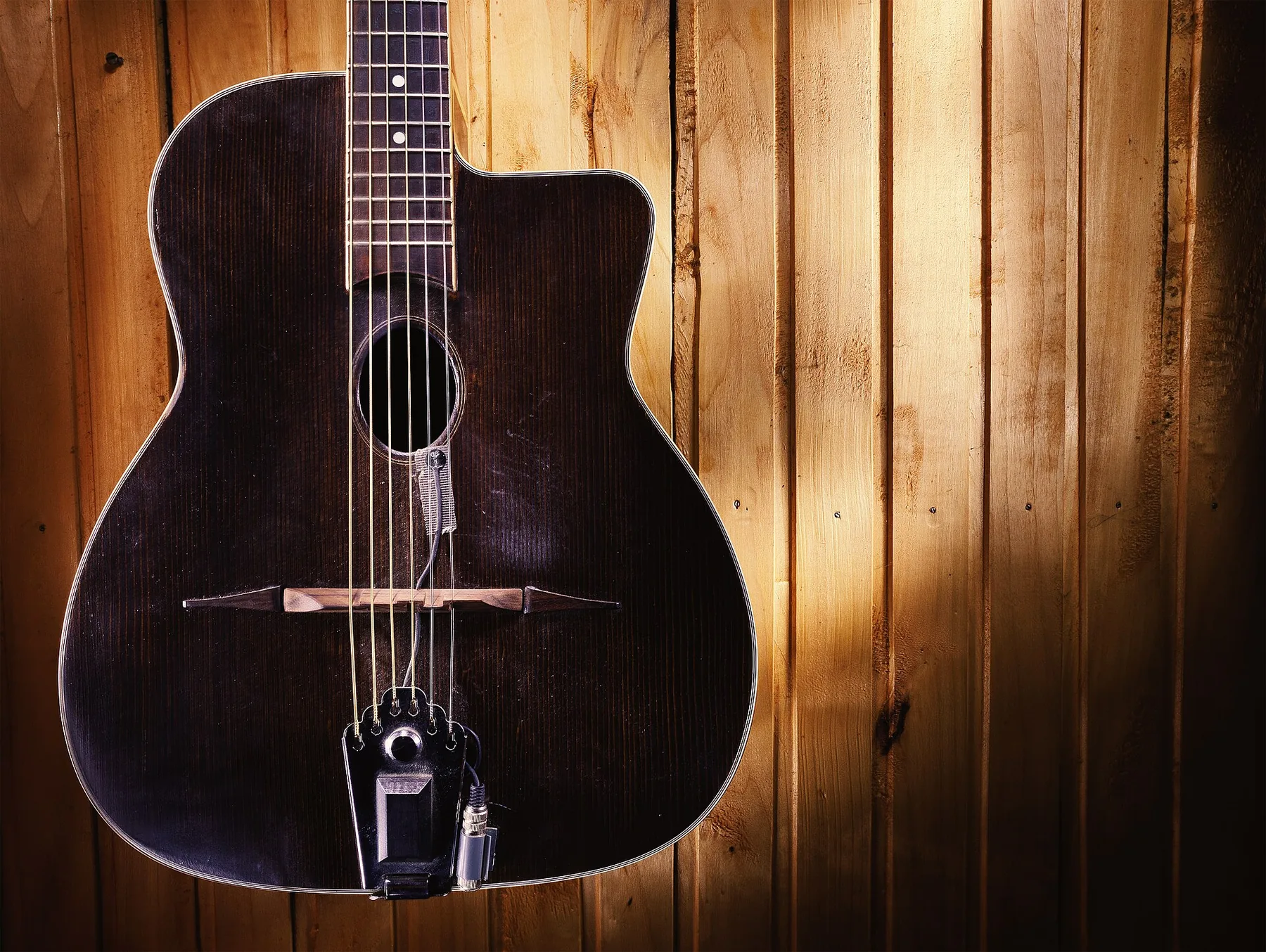
| Handmade guitar | Factory-made guitar | |
|---|---|---|
| Manufacturing process | Made by hand by luthiers | Mass-produced in factories |
| Quality | Craftsmanship and attention to detail | Can vary by manufacturer |
| Price | Can be higher because of the handwork involved | Can include more affordable options |
| Customization | Can be fully customized | Limited customization options |
How much does it cost to build your own guitar?
The cost of building a guitar varies with many factors, including the woods chosen and the quality of the components. In general, a guitar made by an amateur luthier costs between 350 and 600 euros, excluding the tools needed.
Building a guitar also requires materials such as glue, varnish, and accessories, which can increase the total cost. It is therefore essential to plan your budget carefully before you begin.
Here is an estimate of the material costs for a guitar built by an amateur luthier:
| Materials | Approximate cost |
|---|---|
| Wood for the body | 50 to 150 euros |
| Wood for the neck | 30 to 70 euros |
| Pickups and electronics | 50 to 150 euros |
| Hardware | 30 to 100 euros |
| Glue, varnish, and accessories | 20 to 50 euros |
| Total | 180 to 520 euros |
The final cost depends on the materials chosen and the quality of the components used. Compare prices from different suppliers. If you do not already own the necessary tools, also budget for essential workshop tools.
In short, building a guitar costs an amateur luthier between 350 and 600 euros, excluding tools. To complete this lutherie project, plan your budget around the materials and accessories you will need.

How long does it take to build a guitar?
The time needed to build a guitar varies with the luthier’s experience and skills. On average, an amateur may spend between 200 and 250 hours building a guitar, while a professional luthier may spend around 160 to “?” hours, depending on the details and finish requested by the client. Lutherie takes time and patience: each step must be carried out carefully to achieve a quality result.
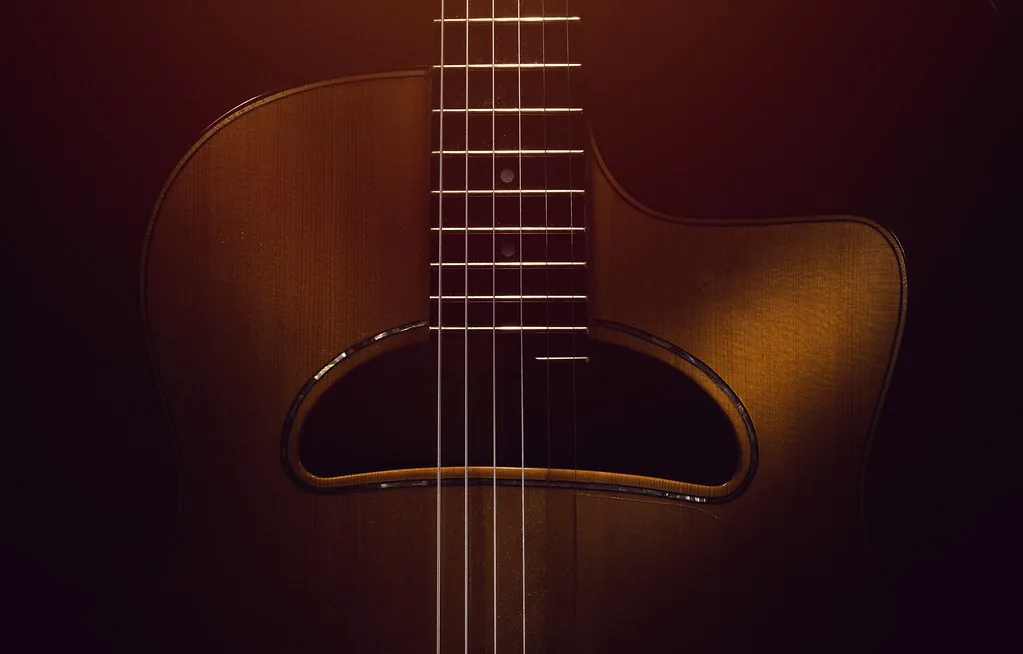
Building a guitar is a meticulous process that requires attention to every detail. Each stage, from choosing materials to final assembly, contributes to the instrument’s quality and sound. Amateur luthiers should take time to learn building techniques and practice to improve their skills.
Lutherie is a demanding craft that calls for technical and artistic skills. Each guitar is a unique piece, made with care and passion. Amateur luthiers can enjoy the creative process and the satisfaction of bringing a musical instrument to life.
The time it takes to build a guitar also depends on factors such as material availability, design complexity, and breaks caused by other commitments. Plan your schedule and set realistic goals to complete the project.
Conclusion
Amateur lutherie offers an exciting opportunity to create your own wooden musical instruments. Whether you start with a guitar kit or build a fully customized guitar, you need to learn the basics and have the right tools. By following suitable advice and techniques, you can make a unique, high-quality guitar. Take on this rewarding project to develop your lutherie skills.
In this article on amateur lutherie, we explored different ways to get started, from using a guitar kit to building from scratch. We also highlighted the importance of choosing a design that suits your preferences and understanding the differences between handmade and factory-made guitars. Finally, we examined the cost and time involved in building a guitar. By gaining the necessary skills and experience, you can build unique, high-quality musical instruments for your own enjoyment or to share with other enthusiasts.
We hope this article has given you the advice you need to begin amateur lutherie. Whether you are a beginner or an experienced DIY enthusiast, creating your own guitar brings a special sense of satisfaction. Keep using specialist resources and forums to learn and refine your lutherie skills. Good luck on your musical journey, and enjoy the unique experience of building your own musical instrument!
FAQ
What advice helps beginners get started in amateur lutherie?
To get started in lutherie, you need to know where to begin and which steps to take first.
What are the benefits of guitar kits?
Guitar kits are a popular choice for beginners in lutherie. They are available at a wide range of prices, offering an option for every budget.
How do you build a guitar from scratch?
If you have more DIY experience and want to create a fully customized guitar, you can build a guitar from scratch.
How do you choose your guitar’s design?
When you build your own guitar, you have two design options. You can make a copy of a legendary guitar to familiarize yourself with the techniques involved, or let your creativity guide you and design a unique guitar.
What are the differences between a handmade guitar and a factory-made guitar?
Handmade guitars are made by amateur or professional luthiers, with craftsmanship and close attention to detail.
How much does it cost to build your own guitar?
The cost of building a guitar varies with many factors, including the woods chosen and the quality of the components.
How long does it take to build a guitar?
The time needed to build a guitar varies with the luthier’s experience and skills.


