

The folk guitar, an instrument associated with many musical styles, has become an ideal companion for musicians around the world. Its rich history and continuing evolution have given rise to high-end models that are masterpieces of luthiery.
If you are wondering what sets these exceptional instruments apart, the answer lies in a blend of traditional craftsmanship and modern innovation. Careful selection of materials, precision in construction, and attention to detail all help define a high-end guitar.
High-end models stand out for their rich, complex sound and refined appearance. These instruments often reflect the expertise of renowned luthiers, who preserve traditional techniques while introducing bold innovations.
Whether you are an informed enthusiast or an experienced musician, understanding what makes a guitar a high-end model is essential to appreciating its value. In this article, we explore the key features that make the difference.
Introduction to folk guitars
A versatile instrument, the folk guitar has a central place in many musical genres. Its accessibility and rich sound make it an ideal companion for beginners and experienced musicians alike.
Since its early days, the folk guitar has captivated a wide audience through its ability to suit styles ranging from rock to traditional music. This instrument is particularly popular with beginners because its wide neck and low action make learning chords easier.
This article will guide you through the many aspects of the folk guitar. We will explore its history, its different body shapes, and the key factors to consider when choosing a guitar that suits your needs and tastes.
History and evolution of the folk guitar
From its modest beginnings as a simple stringed instrument, the folk guitar has come a long way to become one of the defining instruments of acoustic music. Its history is marked by continual innovations that combine tradition and modernity.
One major change in the folk guitar’s development was the introduction of steel strings. Stronger and louder, they transformed both the instrument’s playability and its sound. This allowed musicians to explore new musical possibilities.
Legendary makers such as Martin and Gibson have shaped the history of the folk guitar. Christian Frederick Martin, for example, began making instruments in 1833 that would set standards for future generations. The Dreadnought, introduced by Martin, became an iconic model valued for its powerful sound and timeless design.
| Model | Features | Influence |
|---|---|---|
| Dreadnought | Large body, powerful sound | Used in many genres, from folk to rock |
| Jumbo | Large body, balanced tone | Popular with performing musicians |
| Concert | More compact, delicate sound | Ideal for studio recording |
The classical guitar, with its distinctive construction and repertoire, has also influenced the folk guitar’s development. Although different, these two forms of guitar share a history and have enriched each other’s styles and techniques.
“The history of the folk guitar is a story of innovation and passion, in which each generation has added its own distinctive touch to create an instrument that resonates with musicians and listeners.”
Today, the folk guitar continues to evolve, incorporating new technologies while remaining true to its roots. Its adaptability and expressiveness make it an enduring companion for musicians around the world.

Iconic folk guitar body shapes
A guitar’s size and shape affect both its appearance and its sound. Each body shape has been designed to meet particular needs and offers a different tone and playing feel.
Dreadnought body shape
With its large body, the Dreadnought produces a powerful, rich sound that is ideal for energetic rhythm playing. Introduced by Martin, this body shape has become known for its projection and timeless design.
Jumbo body shape and other variations
The even larger Jumbo delivers greater volume, particularly valued in country and bluegrass. Other shapes, such as the Grand Auditorium, balance projection and comfort.
Concert and Auditorium body shapes
The more compact Concert suits studio recording thanks to its delicate sound. The Auditorium combines projection and comfort, making it well suited to performances.
Understanding these differences helps you choose a model that suits your musical style, whether you want a powerful sound or intimate melodies.
Distinctive aspects of guitar construction
Designing a guitar is an art that combines tradition and innovation. Every element, from the neck to the resonant body, is carefully considered to provide exceptional sound and comfort.
Neck and resonant body construction
The neck, often made of maple or mahogany, is designed for comfortable playing. The resonant body uses woods such as rosewood or cedar to produce a rich tone. Discover how these woods affect the sound.
Innovations in design and ergonomics
Modern luthiers incorporate innovations such as ergonomic neck profiles and preamplification systems. These advances improve playing comfort without compromising sound quality.
| Element | Features | Benefits |
|---|---|---|
| Neck | Ergonomic profiles | Greater comfort |
| Resonant body | Selected woods | Rich sound |
| Innovations | Modern design | Ease of use |
Build quality is crucial to a guitar’s durability and performance. A well-matched neck and resonant body help produce a balanced sound, while ergonomic design makes the guitar easier to play.

Examining the woods used in construction
The choice of woods used to make a guitar is crucial: it directly affects the instrument’s sound quality and durability. Each species brings distinctive characteristics that shape the instrument’s tone and character.
Cedar and its characteristics
Cedar is particularly valued for its ability to produce warm, rich tones. Its relatively low density allows clear, balanced resonance, making it a good choice for guitarists seeking a soft, nuanced sound. Cedar is often used for soundboards, particularly on acoustic guitars.
Spruce and other quality woods
Spruce is known for its favorable stiffness-to-weight ratio, making it an important soundboard wood. It delivers a powerful, clear tone suited to a range of musical styles. Other woods, including rosewood and mahogany, are also used for their individual qualities and can provide deep, complex tones.
- Cedar favors warm, delicate tones.
- Spruce is ideal for a powerful, clear sound.
- Rosewood is valued for deep bass and bright treble.
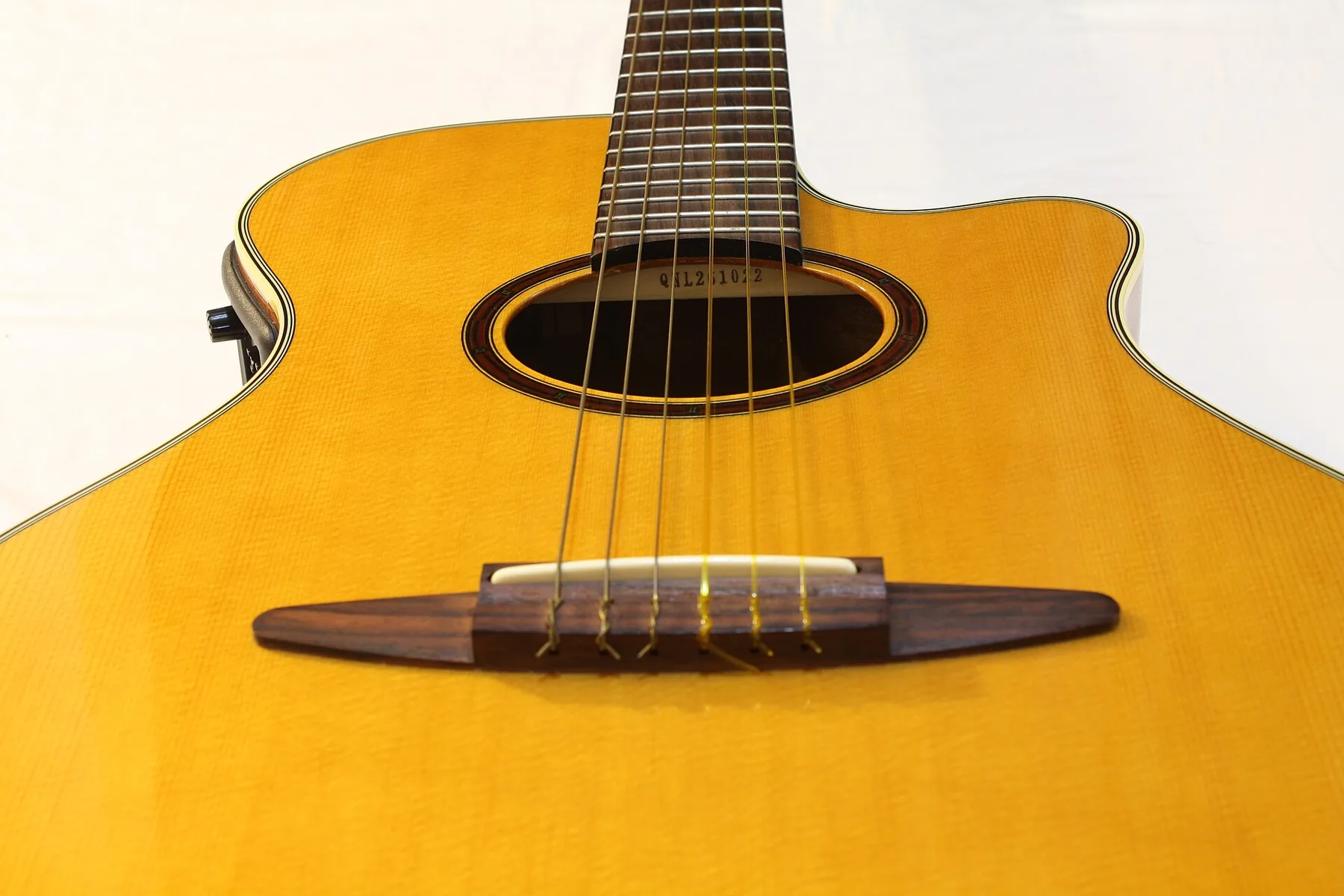
Choosing a quality wood is essential to achieving a rich, harmonious sound. Discover how these woods affect an instrument’s quality and suitability for different musical styles.
Solid tops and laminated tops
The difference between a solid top and a laminated top lies in the materials and construction methods used. A solid top is cut from a single piece of wood, while a laminated top consists of several thin layers of wood glued together.
Vibrations travel differently through each type of top. A solid top vibrates more freely, offering richer, more nuanced resonance. A laminated top, although more robust, does not transmit vibrations as efficiently, which can limit resonance.
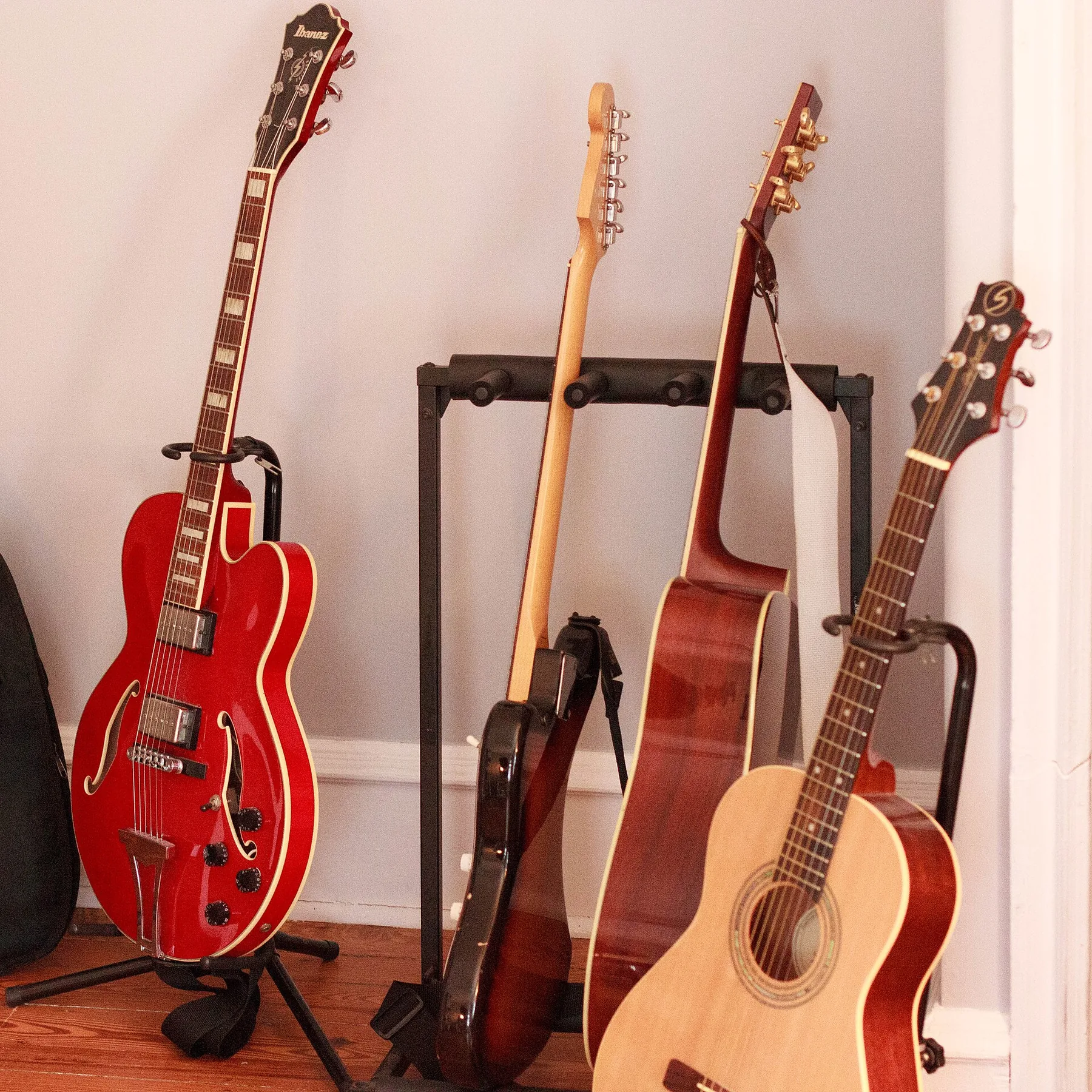
Volume and tonal balance are affected as well. A solid top produces a more powerful, balanced sound, while a laminated top may have less depth, although it offers greater durability and resistance to changes in temperature and humidity.
| Element | Features | Benefits |
|---|---|---|
| Solid top | Solid wood, natural vibration | Rich tone, strong resonance |
| Laminated top | Layers of wood, greater strength | Durability, affordability |
Choosing between a solid top and a laminated top affects both cost and sound quality. Solid tops generally cost more because they require quality wood, while laminated tops are more affordable and accessible, especially for beginners. Models such as the Martin D-28 use solid tops, while some parts of the Gibson Hummingbird may be laminated.
Acoustic and acoustic-electric options
Acoustic and acoustic-electric guitars offer two distinct sound experiences suited to different settings. Understanding their advantages and disadvantages helps you make an informed choice based on your needs.
Advantages and disadvantages
Fully acoustic guitars stand out for their natural sound and portability. They are ideal for rehearsals, informal sessions, and intimate performances. However, they lack the volume needed for concerts in large venues.
Acoustic-electric models combine the warmth of an acoustic guitar with the flexibility of an electrical connection. Their amplified sound makes them well suited to the stage and studio recording. However, the added electronics can increase their weight and cost.
| Option | Advantages | Disadvantages |
|---|---|---|
| Acoustic | Natural sound, light weight, portability | Insufficient volume for large concerts |
| Acoustic-electric | Easy amplification, ideal for the stage and studio | Greater weight and cost |
Choosing according to use
On stage, acoustic-electric guitars are especially useful because they can deliver a powerful, clear sound. In the studio, their balanced tone makes quality recording easier.
Models such as the Taylor 214CE and Gibson J-45 Studio offer an excellent balance of sound quality and practicality. These instruments are valued for their versatility and durability.
Setup and technical innovations
Setup and technical innovations play an essential role in optimizing an instrument’s performance. Although sometimes invisible, these details are crucial to an exceptional playing experience.
The truss rod’s role in stability
The truss rod is key to keeping the neck stable. It allows the neck’s curvature to be adjusted, providing suitable action and comfortable playing. Precise truss rod adjustment contributes to the instrument’s overall balance and helps it play at its best.
Precise setup and finishing
Precise adjustments, including work on the strings and frets, are essential to an enjoyable playing experience. Experienced luthiers pay close attention to these details to ensure exceptional sound quality. Technical innovations such as preamplification systems also improve usability without compromising the sound.
Careful finishes that combine tradition and modernity enhance the instrument’s appearance and durability. Though subtle, these technical innovations have a noticeable effect on playing comfort and sound quality.
Folk Guitars and Luthiery: What Sets a High-End Model Apart
High-end models combine sound quality, careful finishing, and premium materials. Products of skilled craftsmanship, these instruments deliver exceptional performance on stage and in the studio.
Tonal criteria and acoustic performance
Sound quality is one of the main criteria defining a high-end model. Well-defined treble provides a clear, crystalline tone, while deep, nuanced bass supports tonal balance. The guitar needs enough volume to project without losing clarity, even in larger rooms.
High-end models such as the Martin D-28 stand out for their ability to produce a rich, complex sound. Professional musicians often use these instruments for their versatility and exceptional sound quality.
Finishes, premium materials, and design
Finishes and materials play a crucial role in an instrument’s overall quality. High-end models use premium woods such as rosewood and spruce to create a distinctive sound. Their often meticulous finishes enhance the instrument’s appearance.
For example, the Martin D-45, sometimes called the “Rolls-Royce of guitars,” embodies excellence through its timeless design and quality materials. Such instruments are often regarded as works of art that combine function and beauty.
By comparison, entry-level models, although capable instruments, cannot match high-end models in sound, finishes, and materials. The differences are especially apparent in details such as the precision of the setup and the quality of the frets.
Tips for choosing a folk guitar
Choosing the right folk guitar is an important step for any musician, whether a beginner or an experienced player. With so many models available, it is essential to consider your needs, skill level, and budget.
Recommendations for beginners
Beginners should prioritize comfort and ease of playing. A guitar with a slim neck and low action will make learning chords easier. Dreadnought and Concert models are particularly suitable because of their playing comfort and balanced sound.
- Choose a light acoustic guitar with a narrow neck.
- Consider bronze-wound steel strings for a clear sound.
- Remember to try several models before making your choice.
Advice for experienced guitarists
Experienced guitarists may want to improve their sound. A high-end guitar made with premium woods such as rosewood or spruce offers a richer, more complex tone. Pay attention to details such as a solid top and careful finishing.
If you are looking for an acoustic-electric guitar, models such as the Taylor 214CE and Gibson J-45 Studio are excellent options for performances.
Finally, remember to consider your personal needs and budget. Find out how to choose your guitar with this practical guide.
How style and use affect your choice of instrument
The music you play has a decisive effect on your choice of instrument. A flamenco musician, for example, will choose a guitar designed specifically for that style, with a slimmer neck and higher-tension strings.
How you intend to use the instrument also affects what you should look for. A guitar intended for performances needs different features from one used for rehearsals at home.
Choosing a brand known for its expertise is important. Brands such as Martin and Gibson are valued for their consistent quality and their suitability for different musical styles.
Design and ergonomics vary with musical style. A Jumbo guitar, for example, has a substantial body that suits energetic genres such as rock.
To choose an instrument that fits your musical identity, try several models and consider the particular characteristics of each type of guitar.
Conclusion
The acoustic guitar is an instrument in its own right, whose rich sound and versatility continue to appeal to musicians around the world. Innovations in luthiery that combine tradition and modernity have made it possible to create exceptional instruments suited to every musical style.
Choosing a model involves several factors, including the quality of the materials, the precision of its construction, and personal preference. Body shapes such as the Dreadnought and Concert offer distinct sounds, while selected woods such as spruce and cedar strongly affect tonal nuance.
Whether you are a beginner or an experienced player, buying a guitar is an important decision. Acoustic models are ideal for intimate rehearsals, while acoustic-electric models suit the stage and recording. Remember to try several instruments to find the one that meets your needs and suits your musical style.
The range of options allows every guitarist to find an instrument that reflects their musical identity. The acoustic guitar, with its many possibilities, remains an enduring companion for music lovers.
FAQ
What are the differences between a steel-string guitar and a classical guitar?
Why does the shape of the resonant body matter?
How should I choose the size of a folk guitar?
Which woods are best for a folk guitar?
What is the difference between a solid top and a laminated top?
Why is it important to adjust a guitar’s action?
Which are the best brands for a folk guitar?
How do I care for a folk guitar?
Which accessories are essential for a beginner guitarist?
How do I choose between an acoustic and an acoustic-electric guitar?
Source links
- https://en.wikipedia.org/wiki/Acoustic_guitar
- https://en.wikipedia.org/wiki/Steel-string_acoustic_guitar
- https://en.wikipedia.org/wiki/Guitar
- https://en.wikipedia.org/wiki/Acoustic_guitar
- https://en.wikipedia.org/wiki/Guitar
- https://en.wikipedia.org/wiki/Guitar
- https://en.wikipedia.org/wiki/Guitar
- https://en.wikipedia.org/wiki/Tonewood


