

French lutherie holds a unique place in the global music landscape, shaped by a rich heritage and recognized expertise. For centuries, French luthiers have crafted instruments that inspire musicians around the world. Today, this ancestral expertise faces modern challenges, including growing competition and economic pressures.
Although France has long been a symbol of artisanal excellence, contemporary lutherie must now innovate to remain competitive. String instruments, such as the violin and lute, remain emblematic of this tradition, but new trends are emerging. The tension between handcrafted and industrial production is keenly felt.
Despite these challenges, French luthiers continue to shine on the international stage. Their work, combining tradition and innovation, attracts musicians and collectors. However, factors such as counterfeiting and foreign competition threaten this craft.
Introduction
The world of French lutherie is rich in history and expertise. This ultimate guide takes you into the heart of the craft by exploring its issues, challenges and opportunities.
Goals of the ultimate guide
Our main goal is to highlight the artisans who keep this tradition alive. Through firsthand accounts and anecdotes, we hope to give these masters of instrument making greater visibility. The guide also explores the evolution of the profession and the new trends shaping the sector.
Background and scope
French lutherie now operates in a complex economic and historical context. The international market is changing rapidly, and competition is intensifying. Luthiers must innovate while preserving their traditions. This guide aims to be a reference for understanding this changing sector.
The heritage and values of French lutherie
The history of French lutherie is deeply rooted in a centuries-old craft tradition. Since the medieval period, luthiers have made emblematic instruments, such as the violin and lute, that continue to resonate throughout classical music.
The craft tradition and its historical roots
The town of Mirecourt, often called the capital of French lutherie, embodies this heritage. Family workshops pass on their expertise from one generation to the next, sustaining standards recognized internationally. The National School of Violin Making, founded in Mirecourt, trains dedicated artisans, helping secure the future of this artistic craft.
The Mirecourt Museum of Violin and Bow Making, established in 1973, displays a collection of more than 300 instruments representing three centuries of production. The museum highlights the evolution of techniques and materials, offering a unique view of lutherie’s history.
The influence of workers’ values and ethics
French lutherie is much more than a craft. It embodies an ethic of careful work and unwavering passion. Luthiers such as Pierre Caradot pass on more than technical skills: they also share moral values, forging a strong link between tradition and innovation.
In Mirecourt, solidarity among artisans is a core value. Shared workshops, such as René Morizot’s, encourage collaboration and the exchange of ideas, creating conditions for innovation that respect tradition.
The National School of Violin Making in Mirecourt: tradition and training
The National School of Violin Making in Mirecourt, founded in 1970, is a cornerstone of lutherie training. Known for the quality of its teaching, the institution trains around ten passionate young people each year and passes down ancestral expertise.
History and fundamental teaching
For more than 50 years, the school has sustained Mirecourt’s craft traditions. Students learn to work with wood, make strings and tune instruments. Repairing and restoring old instruments are also part of the curriculum and help preserve musical heritage.
Training methods and the transmission of expertise
The school’s teaching methods combine tradition and innovation. Hands-on workshops and masterclasses help students refine their technique. Working with experienced luthiers and professional musicians gives them a rounded introduction to the art of lutherie.
To learn more about the courses offered, you can visit the official site through this link.
The impact of social upheavals on lutherie
Economic crises and social upheavals have profoundly shaped the evolution of French lutherie. These events forced artisans to adapt to survive in a changing environment.
Economic crises and changes in the sector
The 1929 crisis had a devastating effect on instrument production. Luthiers had to cut costs and innovate to stay in business. This period accelerated the shift from exclusively handcrafted production toward more industrial methods.
Innovation and adaptation after May 1968
After May 1968, lutherie underwent a genuine revolution. New manufacturing techniques emerged, incorporating modern materials while preserving the essence of the craft. Luthiers also diversified their offerings to meet growing demand for more affordable instruments.
These changes helped French lutherie maintain its global reputation while remaining rooted in its traditions.
The position of French lutherie in the international market
French lutherie holds a strategic position internationally, combining ancestral expertise with innovation. French luthiers continue to gain visibility despite growing competition.
Global trends and export strategies
Global trends point to rising demand for premium instruments. Musicians seek high-quality string instruments, a field in which France excels.
| Country | Market share | Main instruments |
|---|---|---|
| France | 15% | Violin, viola |
| Germany | 20% | Cello |
| Italy | 10% | Double bass |
| United States | 55% | Guitar |
Export strategies include partnerships with local distributors and participation in international trade fairs. Learn more about lutherie training.
UBIFRANCE supports artisans and helps them enter key markets. These efforts allow France to maintain its influence despite challenges such as counterfeiting.
The instrument market and trade: craftsmanship and industrial production
The musical instrument market is shaped by tension between traditional craftsmanship and industrial production. This divide affects both instrument quality and affordability.
Comparing handcrafted and industrial production
Handcrafted production by dedicated luthiers emphasizes excellent quality and meticulous customization. Each instrument’s components, including its strings and wood, are carefully selected and worked to give it a unique sound. Industrial production, by contrast, prioritizes speed and lower costs to meet broader demand.
The growing role of online commerce
Online commerce has changed how instruments are sold. Digital platforms let luthiers reach a global audience while preserving the authenticity of their work. Musicians increasingly search online for quality instruments, strings and other accessories, making these handcrafted products easier to access.
International competition and lutherie contests
International lutherie contests play a key role in promoting talent and innovation in the field. These events showcase artisans’ skills and strengthen ties between luthiers and musicians.
Examples of recent competitions and contests
The International Violin Making Competition at the Philharmonie de Paris recently attracted 89 entrants from around the world. Among them, 26 students and six European schools took part in the “Talents of Tomorrow” category. Held alongside the tenth String Quartet Biennale, the competition brought exceptional instruments to light.
- First prize in the “Talents of Today” category went to Mira Gruszow and Gideon Baumlblatt.
- First prize in the “Talents of Tomorrow” category went to the Schweizer Geigenbauschule in Brienz.
Interactions between artisans and musicians worldwide
These contests encourage valuable exchanges between luthiers and musicians. For example, finalist instruments in the “Talents of Today” category were assessed by an international jury of cellists and luthiers. Public masterclasses and auditions were also held, strengthening collaboration and innovation.
Such events celebrate artisanal excellence while stimulating creativity and raising the profession’s profile. They give artisans a chance to present their work and exchange ideas with professionals from around the world.
The workshop and the craft: anecdotes and professional approaches
French lutherie workshops are full of stories and anecdotes that reveal artisans’ unwavering commitment. These personal accounts offer a unique glimpse into luthiers’ daily lives, combining passion and expertise.
Artisans’ reflections and firsthand accounts
A Mirecourt luthier shares his experience: “Every instrument is a unique work. I remember a violin I made ten years ago: its sound was so rich that it became the onstage companion of a renowned musician.” Stories like this show the importance of craftsmanship and the emotional bond between an artisan and their work.
Making an instrument remains a painstaking process. Luthiers carefully select their materials, from wood to strings, to ensure exceptional quality. This attention to detail helps explain why French instruments are so highly regarded internationally.
Artisans’ personal accounts reinforce the standing of their profession. For example, a luthier who studied at the National School of Violin Making in Mirecourt recalls: “My training taught me to combine tradition and innovation. Today, I create instruments that inspire musicians around the world.”
In conclusion, French lutherie workshops embody a harmonious blend of history, passion and expertise. Every instrument tells a story, and every artisan carries on a unique heritage. To learn more about the history of French lutherie, you can consult this historical document.
Comparison with the global string instrument market
The global string instrument market has varied dynamics and rapidly changing trends. The guitar occupies a central place in this landscape, with growing demand for premium and vintage models.
Analysis of market research and guitar trends
A recent market study indicates that the guitar sector is growing significantly, especially in the midrange and premium segments. Consumers increasingly favor customized instruments and pay closer attention to material quality and durability.
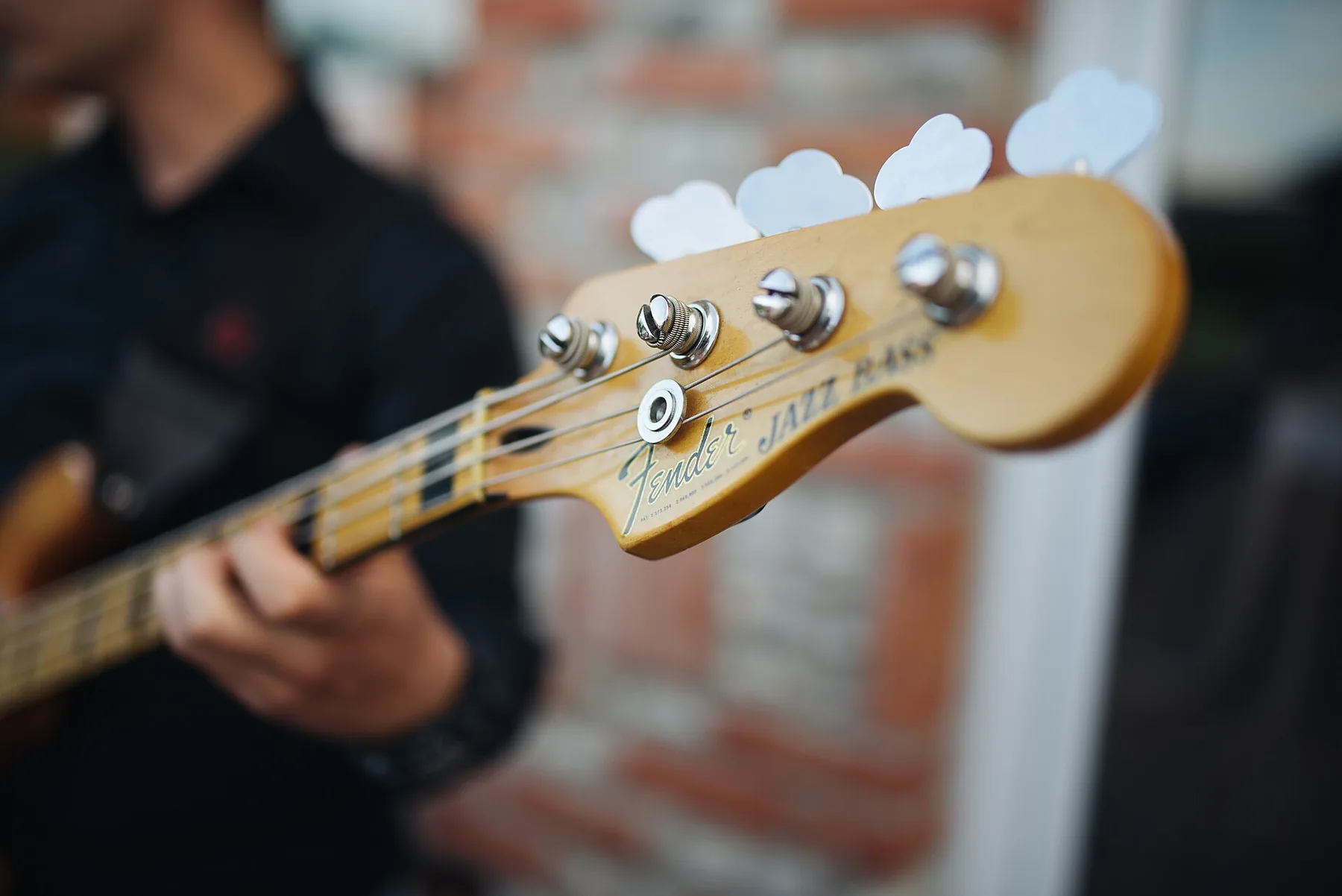
In France, luthiers are distinguished by their expertise in making traditional string instruments. However, the international market is dominated by the United States, where brands such as Fender and Gibson hold a prominent position. Strong demand for electric and acoustic guitars reinforces this dominance.
Trends also show growing demand for vintage guitars, particularly among collectors. These instruments are often sought after for their distinctive sound and historical value. However, issues such as restrictions on tropical woods and environmental concerns affect production.
In conclusion, the global string instrument market is marked by diverse trends and growing interest in quality, durability and innovation. French luthiers must adapt to these changes to maintain their international position.
Analysis of supply and demand in lutherie and the guitar market
The lutherie and guitar market rests on a delicate balance between supply and demand, influenced by economic factors and global trends. Demand for string instruments, particularly guitars, is growing, while supply must adapt to consumers’ expectations.
A closer look at demand
Demand for quality instruments, particularly premium guitars, is rising. Musicians seek customized instruments and pay particular attention to materials and durability. According to a recent study, the French guitar market is worth an estimated €160 million and is growing significantly in the midrange and premium segments.
Online sales account for approximately 25% of string instrument purchases, making these products more accessible to musicians worldwide. This trend is accompanied by rising demand for vintage instruments, often valued for their unique sound and historical significance.
Supply dynamics and commercial prospects
Instrument production in France is distinguished by its emphasis on quality and innovation. Luthiers must respond to growing demand while preserving their artisanal expertise. The market nevertheless faces challenges, especially increased competition from imports from Germany and China, which account for a substantial share of imported instruments.
To remain competitive, French luthiers focus on niche markets such as premium guitars and custom instruments. Their strategies include working with local distributors and attending international trade fairs to broaden their customer base. Sustainable practices are also becoming more important: many workshops are adopting greener materials and production methods.
| Indicator | Value | Trend |
|---|---|---|
| French guitar market | €160 million | 7.7% growth forecast by 2030 |
| Share of online sales | 25% | 10% increase per year |
| Average accessories budget | €150 | Stable since 2020 |
Commercial prospects remain promising, with growing opportunities for luthiers who can adapt to market trends. To learn more about changes in the lutherie market, you can consult this detailed study.
Conclusion
Despite modern challenges, French lutherie continues to stand out for its excellence. The instruments, products of ancestral expertise, remain symbols of quality and passion. By maintaining their traditions while innovating, luthiers meet the expectations of musicians worldwide.
Although the international market is competitive, it recognizes the value of French creations. Luthiers stand out for their ability to combine tradition with modernity. This combination helps them establish themselves in premium niche markets, where demand for custom instruments keeps growing.
The profession’s future appears promising, driven by a new generation of passionate artisans. Schools such as Mirecourt’s train talented makers who continue to innovate after graduation. International gatherings and exchanges between musicians and artisans stimulate this creativity.
In conclusion, French lutherie, firmly grounded in its history, looks to the future with optimism. Challenges remain, but luthiers’ commitment and pursuit of excellence help ensure this remarkable craft endures.
FAQ
What distinguishes French lutherie from other traditions worldwide?
How do you become a luthier in France?
What is the role of the National School of Violin Making in Mirecourt?
What is the difference between a handcrafted instrument and a factory-made one?
How do you choose the right string instrument?
Why is maintaining a string instrument important?
What is the future of French lutherie?
How can you assess the quality of an old instrument?
What impact has digital technology had on lutherie?
Source links
- https://www.heartsmadehub.com/en/d/craft/instruments
- https://www.academia.edu/127108230/Authentic_Fake_or_Mistaken_Identity_Creation_Recreation_Deception_and_Forgery_in_Music
- https://www.reportlinker.com/dataset/c44928b9bbfe5c6ad3e6be7e09fbb7a75553b361
- https://www.cambridge.org/core/journals/journal-of-the-royal-musical-association/article/abs/utility-of-musical-instruments-in-the-racial-and-colonial-agendas-of-late-nineteenthcentury-france/745476168710CC565F506831A58A75DE
- https://www.businesscoot.com/en/study/the-guitar-market-france
- https://www.europeana.eu/en/collections/organisation/2688-museum-of-stringed-instrument-and-bow-making


