
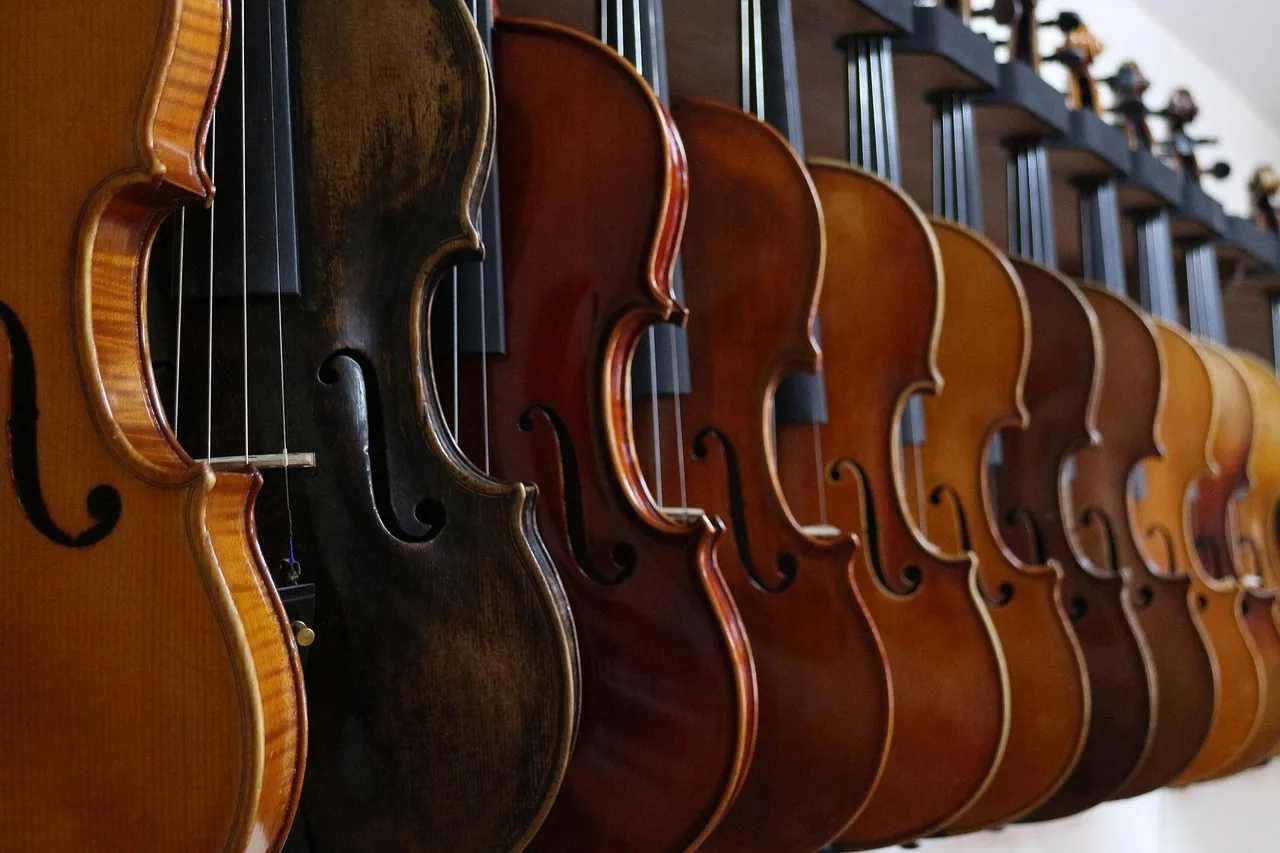
Violin making, an ancient art, has a central place in classical music. For centuries, violin makers have refined their craft and created instruments that stand the test of time. These artisans, true masters of their craft, combine tradition and innovation to produce exceptional instruments.
A violin maker’s role extends beyond making instruments. It also involves a mission to pass on knowledge. Every instrument is the result of painstaking work in which every detail matters. Violin makers’ passion is reflected in the quality and authenticity of their creations, which are essential to classical music.
The TWIN project, carried out in partnership with the Le Mans Conservatory, illustrates this approach. The partnership allows musicians to work closely with instrument makers and deepen their understanding of their instruments. To learn more about the project, visit the ITEMM website.
If you would like to learn more or discover professional instrument makers, visit Lutherie Musique. There you will find valuable information about this fascinating craft.
Violin making is more than a trade: it is a vocation. Contemporary makers respect age-old techniques while adopting innovations such as 3D printing. This enables them to create instruments that combine technical quality with visual appeal.
Introduction to violin making and its world
Violin making has ancient roots and a central place in classical music. It is much more than a craft: it is an art that connects musicians with their instruments.
Definition and origins of violin making
Violin making is the art of making and repairing stringed instruments. Its origins go back several centuries, and its techniques are passed down from generation to generation. Violin makers use traditional methods to create instruments with rich, complex sounds.
Every part of an instrument, from the neck to the soundboard, plays a crucial role in its sound quality. A slight change in shape or material can completely transform its tone.
The importance of craftsmanship in classical music
Craftsmanship remains essential to preserving the authenticity of instruments. Contemporary makers respect age-old techniques while incorporating technological innovations. For example, 3D printing makes it possible to create complex parts with precision.
Musicians seek instruments that sound good and are also pleasing to look at. Close collaboration between makers and musicians is crucial to understanding each performer’s individual needs.
To learn more about musical events and meet talented instrument makers, visit the Montrouge Paris Guitar Festival website.
The history of violin making: from past to present
Violin making has ancient roots and a central place in classical music. It is much more than a craft: it is an art that connects musicians with their instruments.
Major historical milestones and cultural influences
Violin making has developed over several centuries through significant changes. In the 17th century, Mirecourt became a major centre of violin making. This French town drew talented makers with its economic and cultural vitality.
Archives show that, as early as 1732, Mirecourt’s violin makers sought recognition as a guild of master craftsmen. This status helped them organise their trade and ensure the quality of their instruments. For example, quality inspections took place four times a year, and defective parts incurred fines.
How instrument making evolved over the centuries
Over the centuries, instrument making has evolved to meet musicians’ needs. In the 18th century, Mirecourt’s makers refined their techniques and produced high-quality instruments. Renowned families of makers, such as the Lupot family, also emerged during this period.
Craftspeople’s associations played a crucial role in preserving expertise. They strengthened professional solidarity and encouraged innovation. For example, new varnishing techniques improved instruments’ appearance and durability.
As one historical document puts it,
“A violin maker must combine skill and passion to create instruments that resonate with the musician’s soul.”
Changes in the 19th century marked a turning point, with adaptations to modern playing techniques. Makers adopted new methods while respecting tradition. To learn more about these developments, you can consult research available online, such as the material accessible through this link.
Today, violin making remains a demanding profession in which every instrument tells a story. Makers continue to pass on their expertise from generation to generation, safeguarding an artistic and cultural heritage.
Conservatory violin making: an art devoted to classical instruments
Violin-making workshops are places of creation that keep age-old techniques alive. Workshops such as Vatelot-Rampal bring together skills passed down through generations.
Traditional skills and craft techniques
Each instrument is carefully shaped using traditional methods. Makers use hand tools, such as violin-making chisels and gouges, to carve the wood.
Assembling the parts, from the neck to the soundboard, demands great precision. A slight variation can change an instrument’s tone.
The influence of music schools and conservatories
Conservatories play a key role in passing on expertise. Students learn techniques alongside experienced instrument makers.
For example, the TWIN project with the Le Mans Conservatory enables musicians to work closely with instrument makers. This initiative deepens their understanding of their instruments and strengthens their connection to the craft.
Public collections, such as those of the violin-making museum in Mirecourt, also contribute to the reputation of conservatories. They preserve historic instruments and tools, providing inspiration for new generations.
The workshop and the violin maker’s profession
A violin-making workshop is a place where passion, precision and creativity meet. Makers spend their days carving wood, adjusting strings and bringing unique instruments to life.
The stages of making an instrument
Creating an instrument begins with carefully selecting the wood. Each species has distinct acoustic properties. Softwood, for example, is often chosen for its clarity and resonance.
Makers then shape each part carefully, from the neck to the soundboard. A small change in shape or material can completely transform the tone.
Finishing, including varnishing, is crucial to protecting the instrument and enhancing its beauty. Every stage requires meticulous attention and unwavering passion.
Passion, teamwork and a maker’s daily life
A violin maker’s day is shaped by concentration and passion. Workshops such as Vatelot-Rampal are full of stories and anecdotes that speak to expertise passed down through generations.
Violin-making schools play a key role in training future craftspeople. They provide high-quality technical training and pass on the profession’s artistic and ethical values.
To learn more about this fascinating profession, visit Lutherie Musique.
| Material | Characteristics | Effect on sound |
|---|---|---|
| Softwood | Light, hard | Clarity and resonance |
| Hardwood | Heavy, flexible | Richness and depth |
| Composite | Durable, stable | Consistency and versatility |
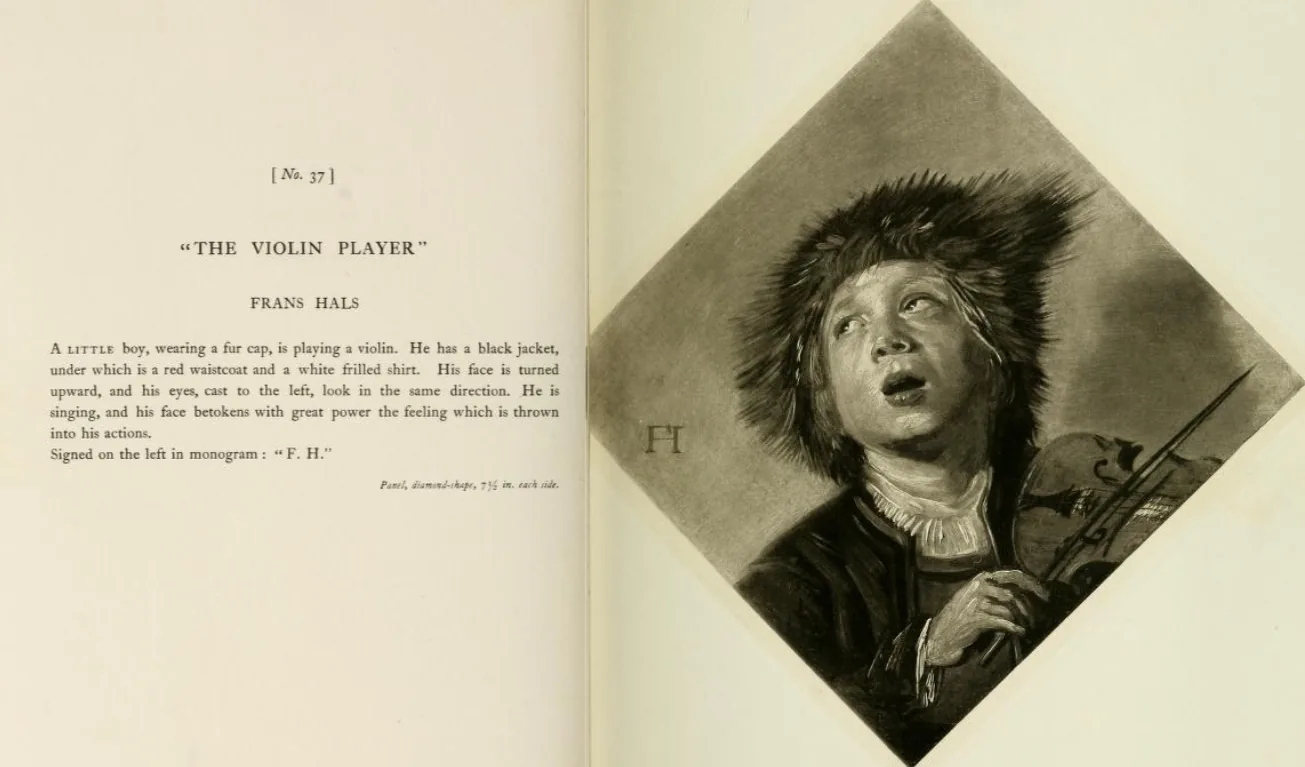
Every instrument is a work of art, born of painstaking and passionate effort. Contemporary makers combine tradition and innovation to create instruments that resonate with musicians’ souls.
The Museum of Violin and Bow Making in Mirecourt
The Museum of Violin and Bow Making in Mirecourt is an important place for preserving and celebrating the craft’s heritage. With a collection of more than 1,000 historical instruments and tools, it is a valuable resource for classical music enthusiasts.
Introducing the heritage and instrument collection
The museum’s collection includes rare violins, violas and cellos, some dating from the 18th century. One notable piece is a violin from 1732, a testament to the craftsmanship of its time. These instruments, often carefully restored, offer a view of how violin making has evolved.
Preserving workshop collections and historical tools
The museum team plays a key role in conserving these treasures. Old tools, such as gouges and violin-making chisels, are displayed to illustrate traditional techniques. Preserving them helps visitors understand the skill of past makers.
“A string is much more than a simple filament. It symbolises the link between past and present, between maker and musician.”
— Catherine Baroin, violin maker in Mirecourt
| Instrument | Quantity | Period |
|---|---|---|
| Violins | 500 | 18th century |
| Violas | 200 | 19th century |
| Cellos | 150 | 18th and 19th centuries |
The museum does more than preserve the past. It is also an educational space where visitors can discover historical making techniques and their influence on classical music today. Exploring it reveals how each string tells a story connecting tradition and modern life.
Exploring techniques and innovations in violin making
Violin making is a centuries-old craft that is evolving with new technology. The use of 3D printing is changing instrument production and offering innovative solutions while respecting tradition.
3D printing and new technologies
3D printing makes it possible to produce complex parts with great precision. Bridges and tuning mechanisms, for example, can now be made this way, reducing production time without compromising quality. Such innovations, as shown in the episode “When 3D Printing Shakes Up Violin Making”, open new possibilities for makers.
The move towards connected violin making
Young makers are pushing boundaries by incorporating connected technologies. Electronic sensors can now analyse string vibrations and provide musicians with useful feedback. These advances, highlighted in competitions, showcase the field’s leading edge.
Contemporary violin making thus balances heritage and modernity. Each instrument remains a work of art, born of age-old expertise and renewed passion.
Accounts from musicians and violin makers
Personal accounts from makers and musicians offer a glimpse into their passionate world. Their stories reveal the emotional intensity and family ties that shape the profession.
Personal experiences and stories
Renowned violin maker Étienne Vatelot shares his experience: “Every instrument is part of my soul. The wood lives and breathes, and I must listen to it to bring out its best.” This passion crosses generations and creates a strong family legacy.
A young maker, Alexandre Beaussart, says: “In my workshop, I feel the presence of my ancestors. Every tool, every technique, is a story that continues.” These accounts show that family is at the heart of passing on expertise.
The relationship between makers and classical performers
Collaboration between makers and musicians is essential. The TWIN project illustrates this by helping musicians understand their instruments beyond how they are made. This interaction enriches their playing and strengthens their connection to the craft.
These exchanges are often moving. One musician recalls: “When I play an instrument made with love, I feel the maker’s soul resonate within me.” Such personal and artistic encounters are crucial to preserving musical authenticity.
| Name | Experience | Impact |
|---|---|---|
| Étienne Vatelot | Creating instruments with soul | Passing on family knowledge |
| Alexandre Beaussart | Ancestral heritage | Preserving techniques |
| Anonymous musician | Respect for craftsmanship | Musical enrichment |
These accounts show how family and a sense of soul in violin making forge a lasting link between past and present, enriching classical music.
The effects of violin-making competitions and cultural events
Violin-making competitions, such as those held at the Philharmonie de Paris, play a key role in promoting emerging talent. They give makers a place to meet around their shared passion for classical music.
Examples of competitions at the Philharmonie de Paris
At the Philharmonie de Paris, violin-making competitions attract participants from around the world each year. These events offer a chance to discover unique instruments born of age-old expertise. Juries of composers and renowned professionals assess the instruments against strict technical and aesthetic criteria.
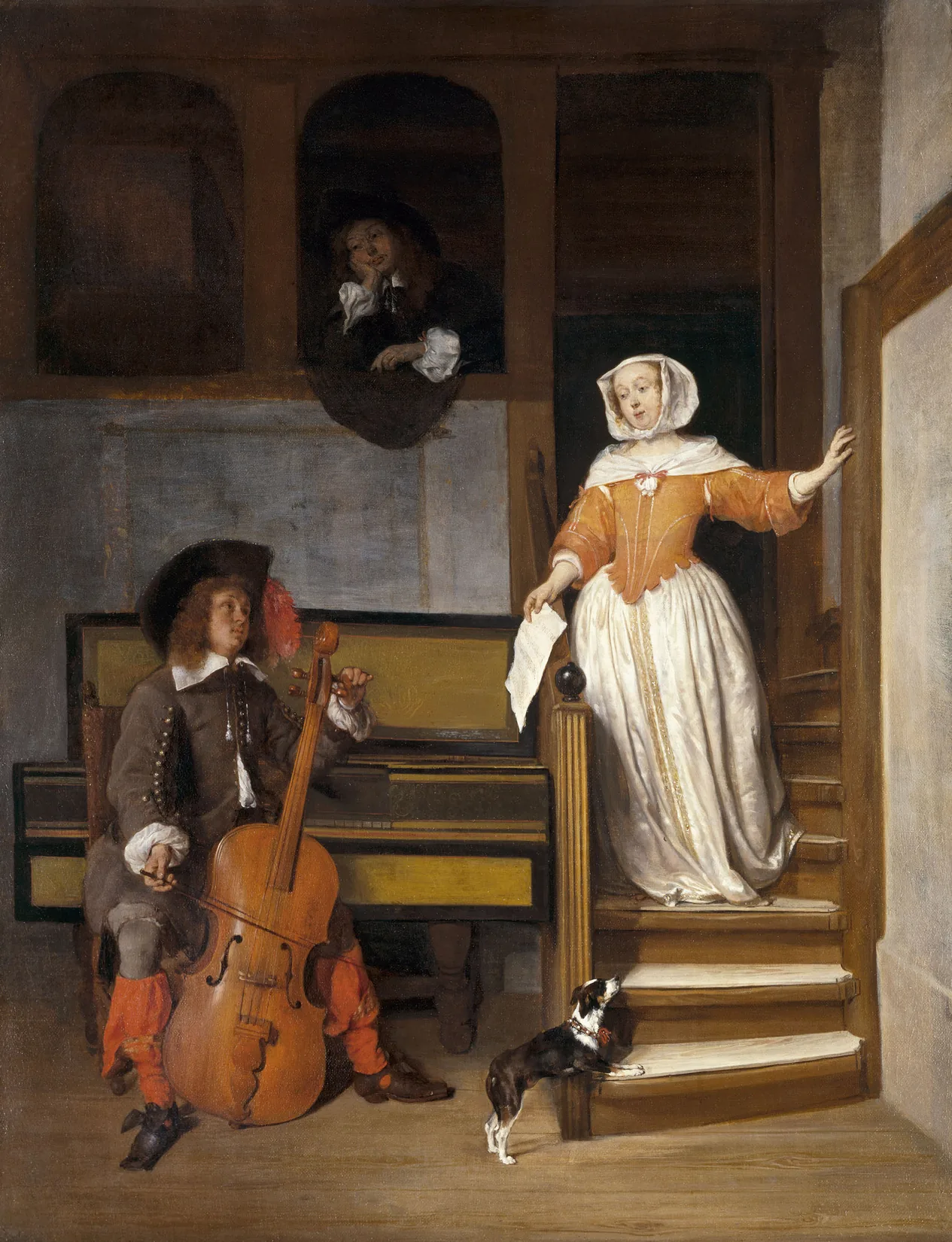
The atmosphere is tense but inspiring. As one participant put it: “The pressure rises each day, but passion remains at the heart of our work.” These intense moments highlight the makers’ commitment.
Their impact on recognition of the profession
These competitions raise awareness of a profession that is often little understood. Media coverage helps bring craftsmanship and innovation to a wider audience. For example, a contemporary composer said: “These events allow us to discover new sounds, enriching classical music.”
Such cultural events strengthen connections between makers and musicians and encourage collaboration. They offer a chance to celebrate excellence in craftsmanship and inspire future generations.
The art of instrument restoration and conservation
Restoring classical musical instruments is a delicate process that combines age-old expertise with innovation. Specialists work passionately to preserve each instrument’s sound and appearance, particularly those of violins.
Traditional restoration methods
Restoration techniques vary according to an instrument’s condition. For a violin, for example, makers use traditional methods, such as replacing damaged parts with old wood. This approach helps maintain visual and acoustic consistency.
The glue is often traditional, made from bones and animal hide. Varnishing is a meticulous process: varnish is applied in thin layers to recover the original texture and colour.
Conservation in place and preserving expertise
Conservation in place is crucial to preserving musical heritage. Workshops and museums, including those in Paris, work to keep craft techniques alive. For example, the Philharmonie de Paris organises workshops where instrument makers share their expertise.
Museums such as the violin-making museum in Mirecourt display historical instruments and offer insight into past making methods. These places are essential to passing on expertise to new generations.
| Technique | Characteristics | Effect on sound |
|---|---|---|
| Traditional restoration | Use of old materials | Preservation of sound quality |
| Careful varnishing | Thin layers, natural texture | Appearance and protection |
| Conservation in place | Preservation in the original setting | Maintenance of authenticity |
Collaboration between restorers and musicians is essential. For example, the TWIN project at the Le Mans Conservatory helps musicians understand their instruments beyond how they are made. To learn more, consult the document available online through this link.
In conclusion, restoring and conserving classical instruments are essential arts. Through their passion and expertise, makers ensure that each instrument continues to resonate with musicians’ souls.
Mirecourt’s influence on instrument making
Mirecourt, a French town in the Vosges, has a central place in the history of instrument making. Since the 17th century, it has been known for making stringed instruments, especially violins. This reputation rests on a unique historical and industrial heritage.
The role of architectural and industrial heritage
Mirecourt’s architecture reflects its industrial past. Former factories and workshops, now turned into museums and exhibition spaces, recall a time when instrument making was central to the local economy. Large halls and open spaces supported production on a greater scale while preserving craft techniques.
Historic buildings now house collections of rare instruments, offering a view of how instrument making evolved. For example, the Museum of Violin and Bow Making displays pieces dating back to the 18th century and illustrates the techniques used by makers of the period.
The strength of associations and local initiatives
Local associations play a crucial role in keeping the field active. They organise events, workshops and competitions that showcase local talent. For example, Mirecourt’s violin-making competition attracts participants from around the world each year and helps promote instruments made in the region.
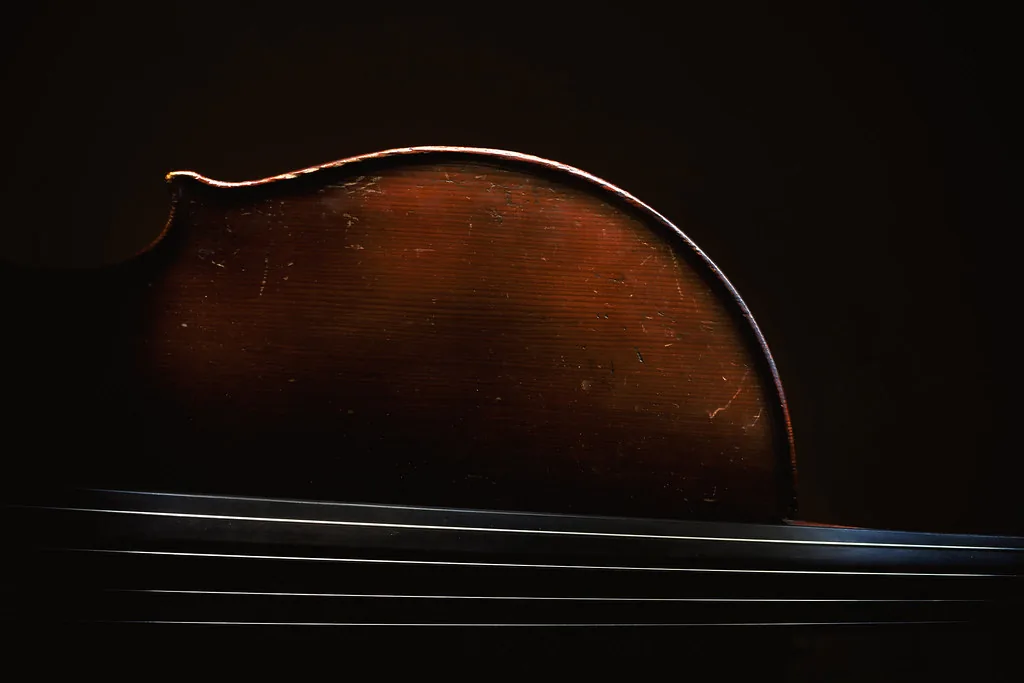
Local initiatives also include partnerships with music schools and conservatories. These collaborations let young musicians discover handmade instruments and understand the importance of traditional instrument making.
| Year | Historical event | Impact |
|---|---|---|
| 1599 | Formation of the community of master instrument makers | Establishment of Mirecourt as a centre of instrument making |
| 1680 | Confirmation of the community’s statutes | Legal recognition of the violin maker’s trade |
| 1776 | Abolition and reinstatement of guilds | Adaptation to political and economic change |
Local associations do more than promote instruments. They also preserve traditional craft techniques through workshops and training. These initiatives pass expertise from one generation to the next, helping ensure the continuity of instrument making in Mirecourt.
| Association | Initiative | Benefit |
|---|---|---|
| Mirecourt Violin Makers’ Association | Organising competitions and exhibitions | Promoting local and international talent |
| Mirecourt School of Violin Making | Professional training | Passing on craft techniques |
| Violin-Making Museum | Exhibitions and educational workshops | Public education and heritage preservation |
In conclusion, Mirecourt remains a symbol of excellence in instrument making. Its historical legacy and local initiatives continue to inspire makers and musicians around the world. The town embodies a balance of tradition and innovation, making the strings of history and modernity resonate together.
Education and training for future violin makers
Training future violin makers combines theory and practice. The National School of Violin Making in Mirecourt is a pillar of this specialist education.
The National School of Violin Making and its programmes
The National School of Violin Making offers comprehensive programmes covering every aspect of making and repairing instruments. Students master traditional techniques while exploring technological innovations.
The curricula adapt to changes in the profession and include, for example, 3D printing techniques for creating complex parts. This helps future makers remain competitive in a changing market.
Internships, residencies and professional training
Internships and professional residencies are an essential part of training. Students work alongside experienced makers and learn bow-use techniques and how to handle other specialised tools. This practical experience strengthens their skills and prepares them for professional life.
A former student recalls: “The internship helped me understand the importance of detail and passion at every stage of making an instrument.”
| Programme | Duration | Objectives |
|---|---|---|
| Basic training | 2 years | Mastering fundamental techniques |
| Specialisation | 1 year | Advanced study of printing and bow work |
| Professional internship | 6 months | Practical work in a workshop |
Partnerships between the school and professional workshops enrich learning. They give students insight into the realities of the profession and prepare them for contemporary challenges.
Cultural and artistic aspects of classical music
Classical music is much more than a collection of melodies. It is a world rich in collaboration between composers and craftspeople, where every note carries a story. The atmosphere of instrument-making workshops, particularly the floor set aside for creation, plays a crucial role in instrument quality.
Collaboration between composers and craftspeople
By working closely with makers, composers influence how instruments develop stylistically. The TWIN project illustrates this relationship: musicians and craftspeople collaborate to create instruments suited to performers’ needs. This interaction enriches the music and the atmosphere of concerts.
How different musical styles influence instrument making
Musical styles, from Baroque to Romantic, inspire different designs and sounds. A workshop floor dedicated to innovation allows makers to explore these variations and offer a range of tones and resonances. This cultural diversity, combined with attentive service, broadens the musical world.
“Collaboration between composers and craftspeople is the soul of classical music, where every instrument becomes a work of art.”
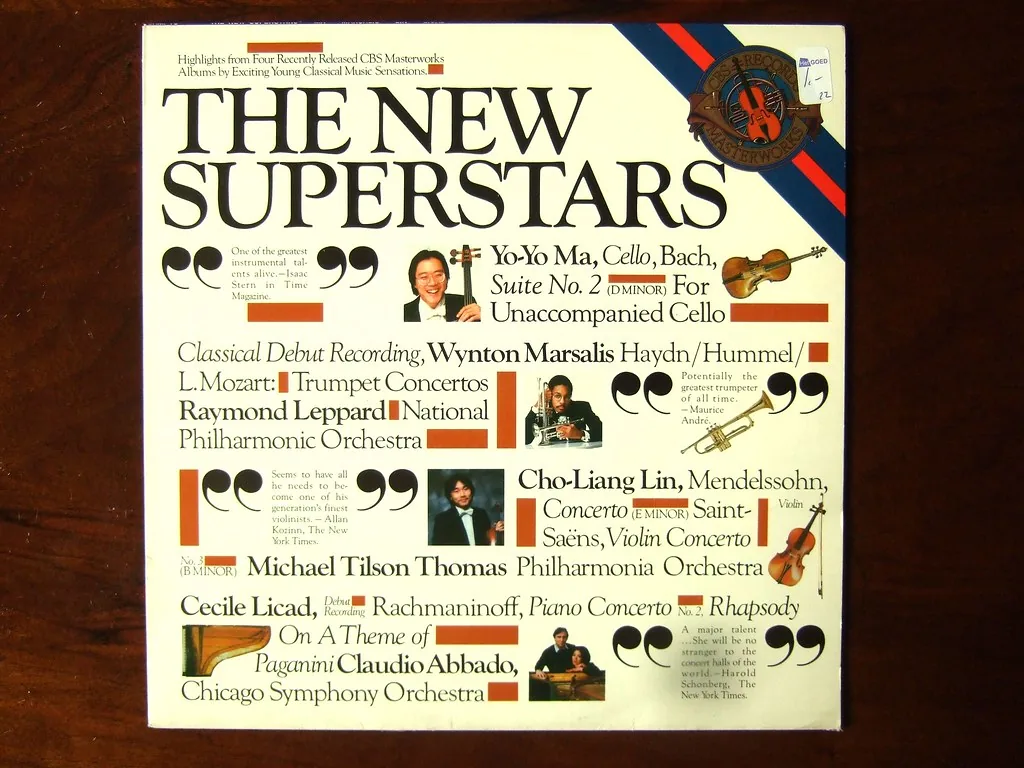
In conclusion, workshop atmosphere, space dedicated to creation, and collaboration between composers and craftspeople enrich classical music. Together with dedicated service, these elements offer a unique artistic experience.
Contemporary challenges for violin making in a connected world
As digital technology transforms every sector, violin making faces particular challenges. Makers must adapt their expertise to current expectations while balancing technological innovation, traditional methods and their artistic identity.
Adapting to technological innovations
Technologies such as 3D printing and digital tools have changed how instruments are made. For example, a hybrid guitar project combines acoustic and electronic elements, offering musicians versatile sound without external speakers. Featured in a report on Hellfest, this innovation shows how makers can use technology to create instruments for contemporary audiences.
These advances make production more efficient and expand musicians’ creative possibilities. The challenge is to preserve each instrument’s authentic character as these technologies are incorporated.
Reconciling tradition and modernity
Violin making rests on traditional techniques, while modern methods open new possibilities. Businesses, including those that work with the Philharmonie de Paris, seek to bring these approaches together so that every instrument reflects both heritage and innovation.
“The soul of violin making lies in the balance between age-old expertise and technological advances.”
By adopting new methods without losing sight of their roots, makers can respond to changing musical needs while preserving the essence of their craft.
Through its support for hybrid instruments, the Philharmonie de Paris illustrates this combination. Such initiatives celebrate traditional craftsmanship and open the way to new sounds, keeping instrument making alive in a connected world.
Conclusion
Today’s music scene benefits from a rich heritage in which every detail, from the colour of the wood to the craft technique, makes a difference. Passionate makers combine tradition and innovation to create instruments that resonate with musicians’ souls.
Today, the world of classical music is evolving, incorporating technologies such as 3D printing while respecting age-old techniques. This way of bringing past and present together meets current needs without sacrificing authenticity.
Innovations such as the TWIN project show how collaboration between musicians and makers enriches the music scene. Every instrument, with its unique colour, tells a story connecting performers to their artistic heritage.
The world of violin making remains fascinating, with every detail counting. This way of creating, which combines tradition and modernity, promises a bright future for stringed instruments in France.
FAQ
What is violin making?
What are the stages of making an instrument?
Why is Mirecourt important in violin making?
How do you become a violin maker?
What are some recent innovations in violin making?
What does a violin maker do for an orchestra?
How do you choose a violin for your skill level?
Why is restoring old instruments important?
What challenges do violin makers face today?
Source links
- https://www.theguardian.com/world/2013/apr/26/paraguayan-landfill-orchestra-music
- https://philharmoniedeparis.fr/en/activity/colloque/23014-la-spoliation-des-instruments-de-musique-en-europe-1933-1945
- https://www.mim.be/en/galleries
- https://www.conservatoiredeparis.fr/en/curriculum/violin
- https://www.metmuseum.org/departments/musical-instruments


