

Luthiery is the art of making musical instruments, and choosing the right wood is essential to creating instruments with a distinctive sound. Luthiers use different types of wood, each with its own properties and uses. In this article, we explore the secrets of wood in luthiery, focusing on how different woods are selected and used. We also look at the techniques craftspeople use to work wood and create high-quality musical instruments.
The main woods used in luthiery
Wood is an essential material in the making of musical instruments, particularly guitars and violins. The main woods used in luthiery are spruce, maple, rosewood, mahogany, ebony and walnut. Each has its own acoustic characteristics and is used for specific parts of an instrument.
Spruce, for example, is often used for acoustic guitar soundboards because of its strength and ability to project sound vibrations. Maple is valued for its density and balanced sound, making it well suited to violin backs and ribs.
Luthiers select each piece of wood carefully for its acoustic and visual qualities. They look for fine, even grain, good resonance and a responsive sound. The quality of the wood directly affects the sound of the finished instrument.
Here is an overview of the characteristics and uses of the main woods employed in luthiery:
Spruce
- Used for acoustic guitar soundboards
- Projects sound vibrations well
- Strong and durable
- Fine, even grain
Maple
- Used for violin backs and ribs
- Dense, with a balanced sound
- Fine, even grain
- Attractive appearance
Rosewood
- Used for guitar fingerboards and bridges
- Deep, warm resonance
- Distinctive patterns and an exotic appearance
Mahogany
- Used for acoustic and electric guitar bodies
- Strong resonance and sustain
- Warm appearance and rich tones
Ebony
- Used for the fingerboards and tuning pegs of string instruments
- Hard and stable
- Fine grain and dark colour
Walnut
- Used for electric bass and guitar bodies
- Balanced, warm resonance
- Natural appearance with attractive patterns
Every wood used in luthiery brings its own acoustic and visual qualities to an instrument, helping give it a unique character and sound.
Woodworking techniques in luthiery
Luthiers use various techniques to work wood. These include carving, sanding, varnishing and assembling the instrument’s parts. Each stage of making an instrument calls for precision and craftsmanship. Luthiers use specialised tools to shape the wood. They work patiently and carefully to create instruments with excellent sound and appearance.
The first stage of working with wood in luthiery is carving. Luthiers use chisels and gouges to carve parts such as the body, neck and headstock. Precision and a delicate touch are needed to achieve the intended shapes and curves.
Next comes sanding. This essential step smooths the surfaces and removes irregularities. Luthiers use sandpaper in different grits to achieve the desired finish. Sanding requires close attention to detail and a careful touch so that the instrument feels comfortable under the musician’s fingers.
After sanding, luthiers apply varnish to the wood. Varnish protects it from external damage while providing an attractive finish. Different finishes, including spirit and oil varnishes, are used according to the preferences of the luthier and musician. Applying varnish takes precision and an artistic eye to achieve a beautiful result.
Finally, the instrument’s parts are assembled. Luthiers use specialised glues and joining techniques to secure the wooden pieces. This includes joining the neck to the body and attaching the ribs to the instrument’s body. Assembly demands precision and a thorough command of luthiery techniques.
Through these ways of working with wood in luthiery, craftspeople can shape every instrument with precision and care, creating unique pieces of high acoustic quality.

Properties of wood in luthiery
The wood used in luthiery has properties that influence an instrument’s sound and performance. Wood resonance is essential for good sound projection. It depends on factors including wood density, wood grain and stability.
- Wood density affects its ability to vibrate and transmit sound. Denser wood will generally resonate differently.
- Wood grain, meaning the arrangement and texture of its fibres, can affect an instrument’s resonance and tonal characteristics.
- Wood stability matters because unstable wood can warp over time and alter an instrument’s sound.
Some woods are naturally more resonant than others. Spruce, for example, is widely used for acoustic guitar soundboards because of its resonant qualities, while maple is often used for violin backs and ribs because of its stability and ability to produce a clear, bright sound.
Luthiers therefore select each piece of wood carefully for its acoustic and structural properties to give their instruments the best possible sound and performance.
Why wood selection matters in luthiery
“The choice of wood in luthiery plays an essential role in the sound and performance of musical instruments. By understanding wood’s properties, luthiers can create unique, exceptional instruments that offer an unrivalled musical experience.” — Paul Martin, master luthier
Choosing wood is therefore a crucial stage in making a musical instrument. Its resonance, density, grain and stability directly influence the sound the instrument produces.
By carefully choosing each piece for its acoustic and structural qualities, luthiers can create instruments that meet musicians’ expectations for tone, projection and playability.
Luthiers’ expertise in selecting wood thus helps them create exceptional, unique instruments appreciated by musicians around the world.
The importance of choosing wood in luthiery
Choosing wood is crucial because it largely determines an instrument’s sound and quality. Each type has different acoustic characteristics: one wood may produce a warmer, brighter or more powerful sound than another. Luthiers must therefore choose wood that suits both the instrument they are making and the musician’s tonal preferences. Wood can also affect an instrument’s appearance, since some species have distinctive patterns or colours.
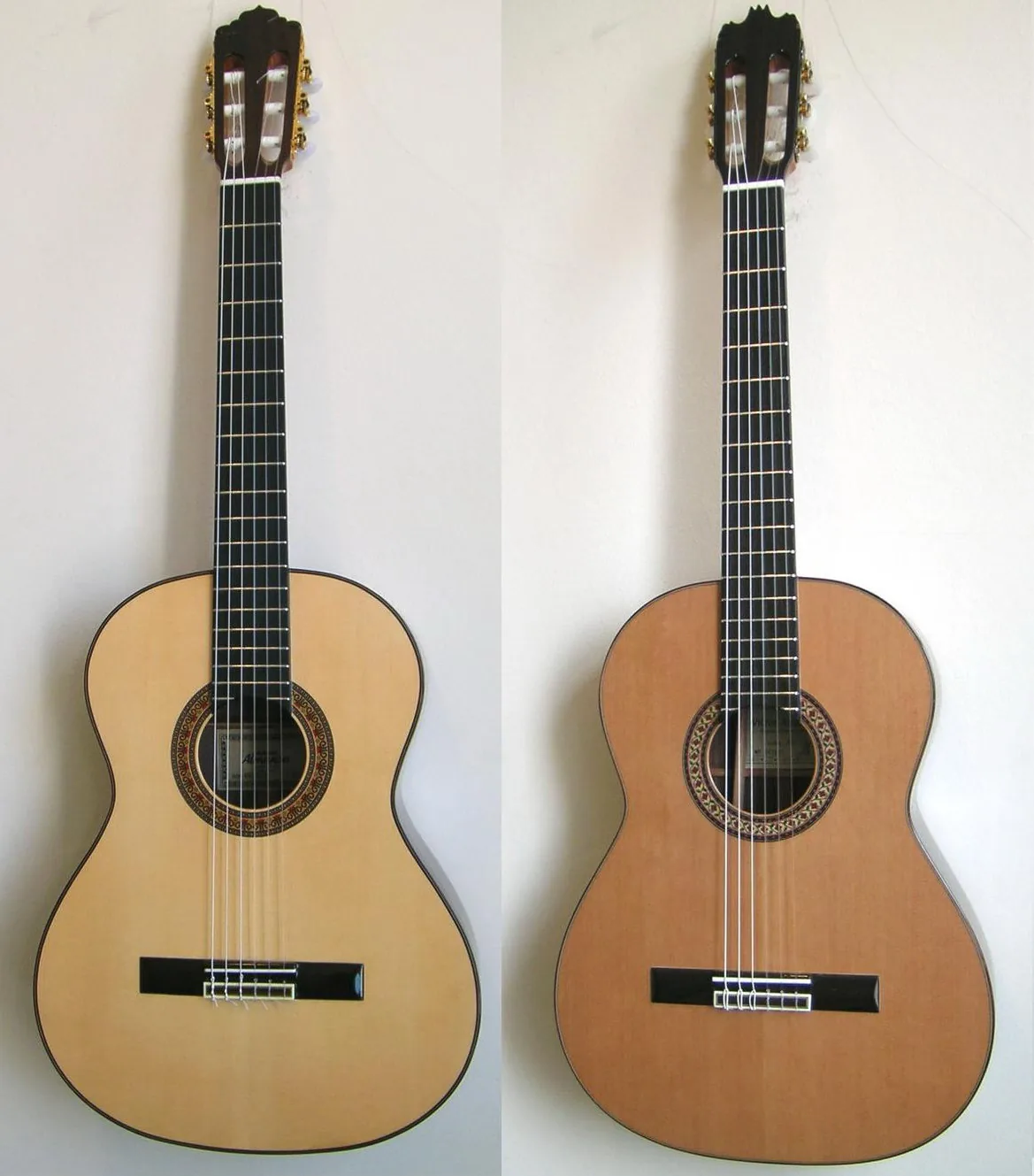
Tight-grained wood can encourage a quicker response and a more precise sound, while more open-grained wood can produce a warmer, more resonant sound. Some woods are also denser, which can help increase an instrument’s sound projection. Luthiers draw on their expertise and knowledge of wood properties to select materials that suit the qualities they want in each instrument.
Examples of woods used in luthiery:
| Wood | Use | Acoustic characteristics |
|---|---|---|
| Spruce | Acoustic guitar soundboards | Balanced resonance, clear sound projection |
| Maple | Violin backs and ribs | Strong bass response, bright tone |
| Rosewood | Guitar and violin fingerboards | Warm sound, long sustain |
Combining different woods in a musical instrument can also help create a unique sound. Luthiers often experiment with combinations to achieve the balance and characteristics they want.
Choosing wood in luthiery is an art in itself. Every piece has a character of its own, both in sound and appearance, that can make all the difference when creating an exceptional musical instrument. — Master Luthier
In conclusion, wood selection is a determining factor in creating high-quality musical instruments. Wood’s acoustic and visual properties directly influence an instrument’s sound and performance. Luthiers devote time and expertise to choosing the best wood for each instrument so that musicians and music lovers can enjoy the best possible playing experience.
Conclusion
Wood has a central place in luthiery and the making of musical instruments. Luthiers take care to select every piece for its acoustic properties, resonance and appearance. Different woods are used for different parts of an instrument. Spruce, for example, is often favoured for acoustic guitar soundboards, while maple is used for violin backs and ribs.
The choice of wood significantly affects the sound and performance of the finished instrument. Each species offers distinctive acoustic characteristics, allowing a luthier to give an instrument a warmer, brighter or more powerful sound. Expertise in choosing wood is therefore essential to meeting musicians’ requirements and tonal preferences.
Luthiers work with care and passion to bring instruments with distinctive sounds to life. Through their craftsmanship and command of woodworking techniques, they shape every piece precisely to create exceptional instruments. Wood in luthiery is far more than a material: it underpins the quality and beauty of musical instruments.
FAQ
What is luthiery?
Luthiery is the art of making musical instruments.
Why is wood selection important in luthiery?
Choosing wood is essential to creating instruments with a distinctive sound.
What are the main types of wood used in luthiery?
The main woods used in luthiery are spruce, maple, rosewood, mahogany, ebony and walnut.
How is each type of wood used in luthiery?
Each wood has its own acoustic characteristics and is used for specific parts of an instrument.
What techniques do luthiers use to work wood?
Luthiers use techniques including carving, sanding, varnishing and assembling the instrument’s parts.
Which properties of wood affect a musical instrument’s performance?
Resonance, density, grain and wood stability are important properties that affect an instrument’s sound and performance.
How important is the choice of wood in luthiery?
The choice of wood significantly affects the sound and quality of musical instruments.


