
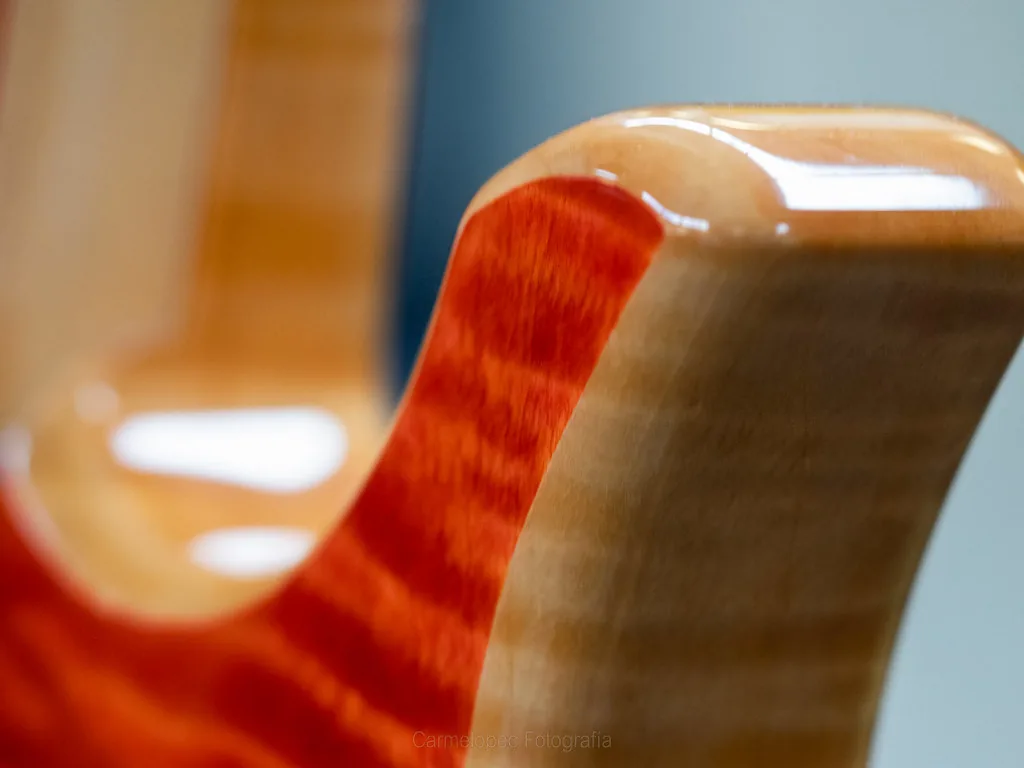
Lutherie, an age-old craft, now combines a rich artisanal heritage with modern innovations. This meeting of tradition and modernity raises a central question: what challenges do instrument makers face today?
Contemporary instrument makers must reconcile centuries-old techniques with innovative materials. Faced with growing environmental concerns, such as the scarcity of precious woods, they seek sustainable methods without compromising the sound quality of their instruments.
Lutherie, between tradition and innovation, is also evolving through digital tools. 3D printing and composites open up new possibilities while preserving the artistic essence of this craft.
Ultimately, instrument makers must adapt to a changing world while preserving the spirit of their profession. This challenge drives them to innovate while remaining faithful to the founding principles of their art.
Contemporary lutherie: between tradition and innovation
The art of lutherie is rooted in an ancient heritage shaped by centuries of craftsmanship. Today, the profession is evolving by incorporating technological innovations while preserving its artistic essence.
Historical roots and the passing on of expertise
The origins of lutherie go back to ancient Egypt and Greece. In Europe, the craft flourished during the Middle Ages, particularly among Italian, Spanish and French instrument makers. Antonio Stradivari made his mark on history in the seventeenth century by setting unparalleled standards of quality. His violins are still considered masterpieces.
Expertise is passed from master to apprentice through rigorous training. Specialist schools play a key role in training the next generation of instrument makers by combining theory and practice.
Modern materials and the integration of new technologies
Although instrument makers continue to use woods such as spruce and maple, they are now exploring innovative materials. Carbon-fiber composites and digital tools, such as computer-aided design (CAD) and 3D printing, open up new possibilities and make it possible to produce stronger, lighter instruments.
Sound quality remains a major concern, however. Studies in this field help optimize materials while preserving the instruments’ musical character.
Contemporary instrument makers are thus adapting to a changing world, combining tradition and innovation to meet the expectations of today’s musicians. This delicate balance makes lutherie a living art in which every instrument tells a story linking past and future.
Learn more about modern lutherie and its innovations.
What are the challenges of contemporary lutherie? Issues and prospects
Contemporary lutherie faces several major challenges, particularly environmental and technological ones. These challenges prompt instrument makers to rethink their methods while preserving the artistic essence of their profession.
The scarcity of precious woods and environmental concerns
The scarcity of precious woods, such as ebony and rosewood, compels instrument makers to explore sustainable alternatives. Innovative materials, such as carbon-fiber composites, offer an environmentally conscious solution without compromising sound quality. These innovations respond both to environmental demands and to musicians’ expectations.
Adapting to digital tools and the demands of the global market
The integration of digital tools, such as computer-aided design (CAD) and 3D printing, is transforming the manufacturing process. Instrument makers must master these technologies to remain competitive in a constantly changing global market. At the same time, they must adapt their creations to the changing demands of contemporary musicians while maintaining quality service.
| Challenge | Solution |
|---|---|
| Scarcity of precious woods | Use of innovative materials |
| Demands of the global market | Integration of digital tools |
| Maintaining quality | Balance between tradition and innovation |
Contemporary instrument makers must meet these challenges to create instruments that combine tradition and modernity and thus satisfy the expectations of today’s musicians.
Examples of contemporary initiatives and experiences
The art of lutherie is being renewed through bold initiatives that combine tradition and innovation. The CLAC collective (Collectif des Luthiers Artisans Contemporains) is particularly notable for its temporary workshop, organized during the String Quartet Biennale in Paris.
A temporary workshop and the creation of innovative instruments
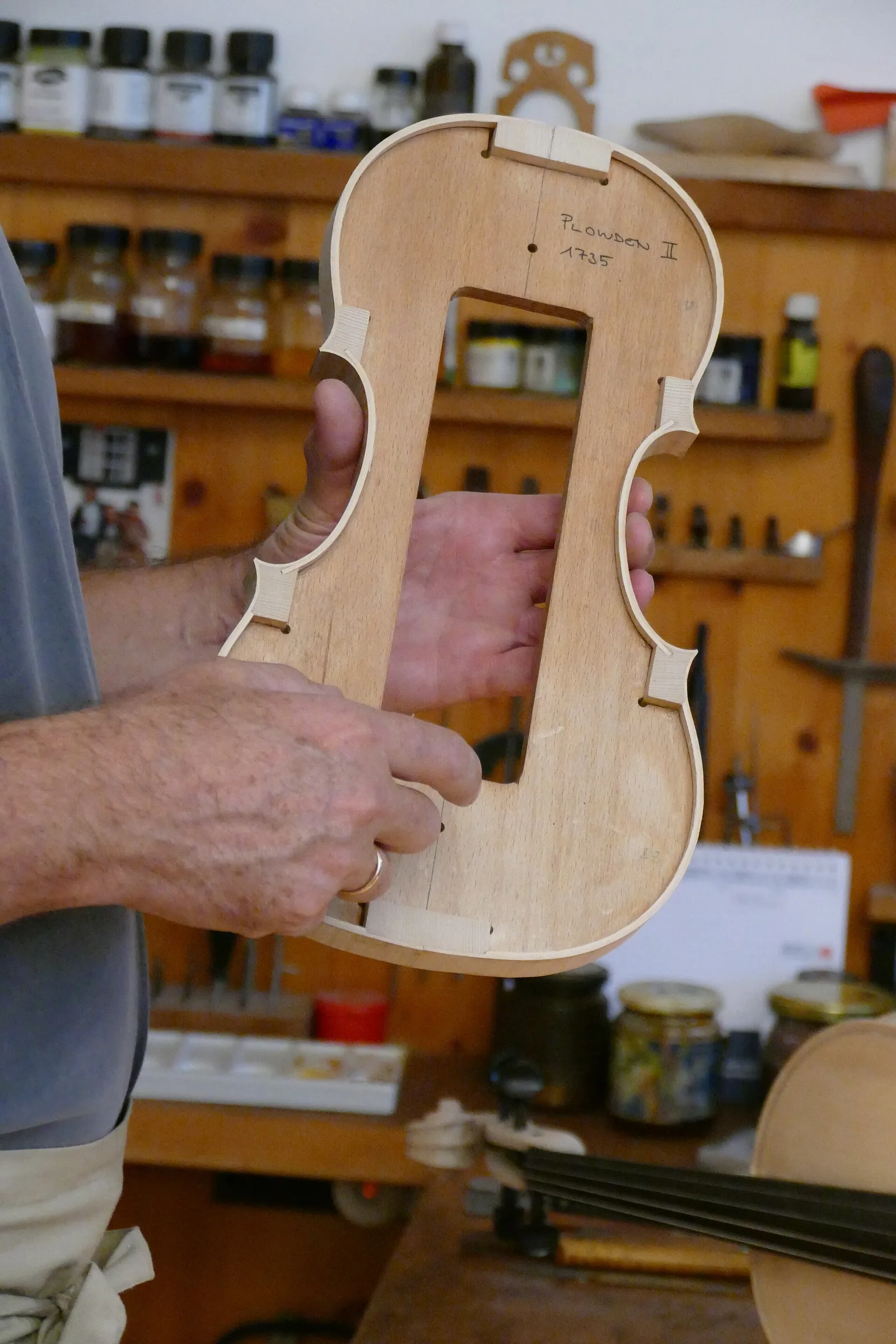
This event highlights the process of making a historical cello inspired by a model by Matteo Goffriller. The instrument makers work with passion, using traditional techniques while exploring modern materials. This approach makes it possible to combine sound quality with durability.
The public is invited to discover the stages of creation, from selecting the wood to final assembly. This openness strengthens the connection between craftspeople and the public, showcasing the exceptional expertise behind each instrument.
Recreating historical techniques and sharing cultural heritage
The instrument makers meticulously recreate the techniques of past masters such as Antonio Stradivari. This historical recreation is both a technique and a tribute to the heritage of lutherie. The temporary workshop thus becomes a place where the public can engage with musical history firsthand.
Schools of lutherie play a key role in passing on this expertise. Learn more about the history and techniques of this craft.
These initiatives show how contemporary lutherie is evolving while remaining true to its roots. To learn more about issues facing classical music, see this study.
Conclusion
Lutherie, an age-old craft, is evolving today by incorporating technological innovations while preserving its artistic essence. Instrument makers must address environmental challenges, such as the scarcity of precious woods, by exploring sustainable materials. At the same time, the integration of digital tools such as CAD and 3D printing is transforming the manufacturing process.
Contemporary instrument makers combine tradition and modernity, creating innovative instruments while respecting standards of sound quality. Collective initiatives and schools play a key role in passing on expertise and adapting to new technologies. These efforts help meet musicians’ expectations while preserving the musical character of the instruments.
Contemporary lutherie must continue to evolve to honor its heritage while responding to the challenges of today’s world. This adaptation contributes to the quality and durability of instruments for future generations.


