
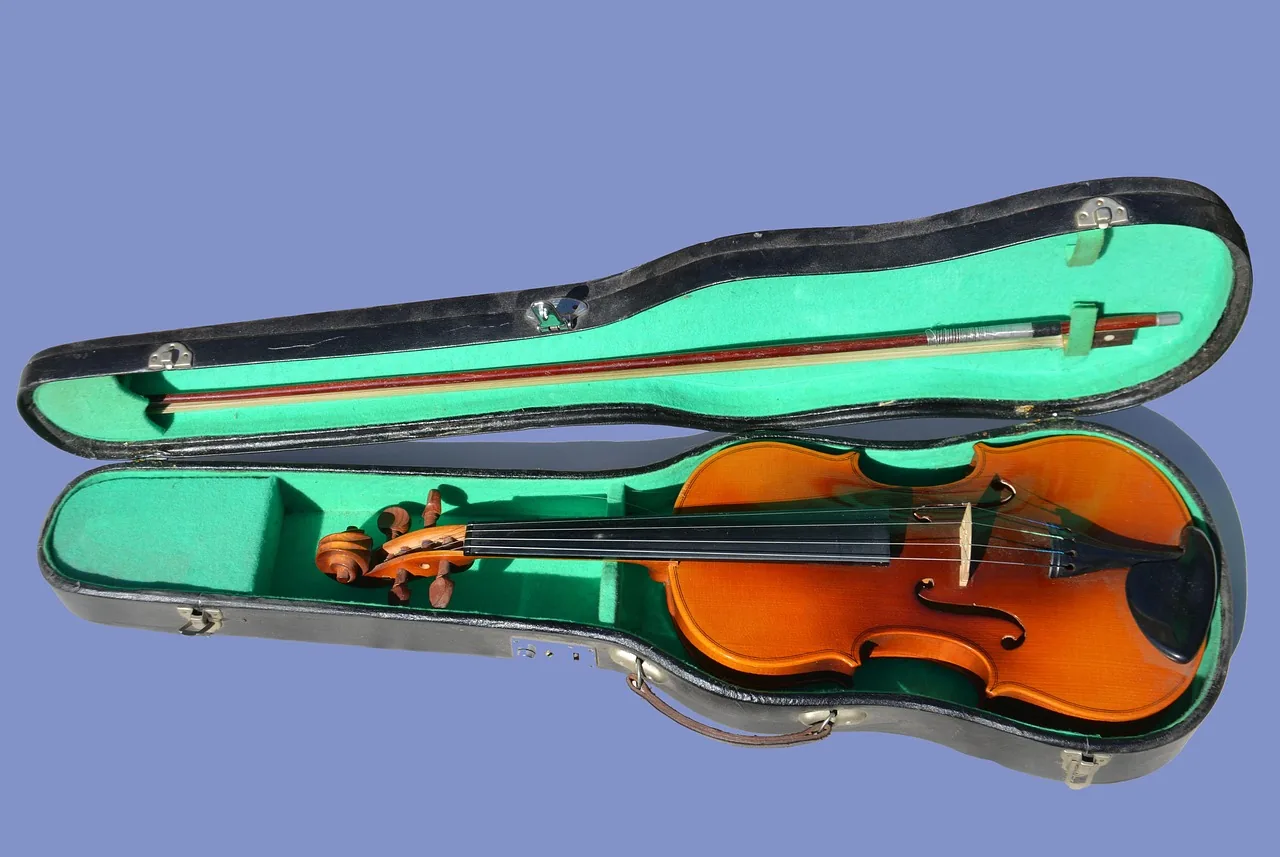
Step into the world of traditional lutherie, where every instrument is more than an object: it is a work of art. Traditional workshops, such as the Atelier des Éclisses, offer an authentic introduction to this craft. Each luthier shapes wood with patience and care to create a unique instrument.
Above all, lutherie is a story of passing on knowledge. Techniques handed down through generations bring instruments such as violins and guitars to life. Made from plain boards of wood, these creations tell a story of dedication and skill.
Here, “immersion” takes on its full meaning. To be a luthier is to enter a world where every detail matters and passion goes hand in hand with technique. It also means joining a community that keeps a craft essential to music and culture alive.
The foundations of traditional lutherie
Traditional lutherie rests on centuries-old principles that combine technique and creativity. Far more than a trade, it is an art that transforms wood into instruments with distinctive sounds.
The history and evolution of the craft
Since the era of Cremonese violins, lutherie has adapted to changing musical tastes. Every era has brought innovations, from the Baroque violin to the modern guitar. Today, luthiers carry these traditions forward while incorporating contemporary methods.
Traditional materials and techniques
Fine woods, such as ebony and rosewood, are central to instrument making. Each species influences the final sound and produces its own resonance. Craft techniques passed from master to apprentice help ensure exceptional quality.
Passing on these skills is essential. By sharing their knowledge, luthiers help preserve the character of their craft. Learn more about the importance of this transmission.
Traditional lutherie forms a living link between past and present, with every instrument telling a story. It is an art that continues to resonate and move people across generations.
Luthier’s workshop: an immersion in traditional craftsmanship — techniques and instruments
Making a stringed instrument is a painstaking process that combines technical skill and passion. In a traditional workshop such as the Atelier des Éclisses, every step is carried out with care to create a unique instrument.
How violins and guitars are made
Making a violin or guitar begins with careful material selection. Luthiers choose woods such as ebony and rosewood for their acoustic properties. Each wood species influences the final sound and produces a distinct resonance.
Carving and assembly techniques are crucial. Luthiers use specialist tools to shape each component, from the soundboard to the parts that hold the strings. The use of natural resins, such as rosin, is essential to give bows the right friction.
Why the choice of materials and wood matters
| Instrument | Main materials | Sound characteristics |
|---|---|---|
| Violin | Maple, ebony | Brightness and clarity |
| Guitar | Rosewood, spruce | Warmth and depth |
As the table shows, material selection plays a key role in sound quality. Every instrument has its own sound, even if it looks much like another.
“Lutherie is a dialogue between the wood and the luthier, where every stroke of the gouge tells a story.” — A passionate luthier
To learn more about making techniques and material selection, see this resource.
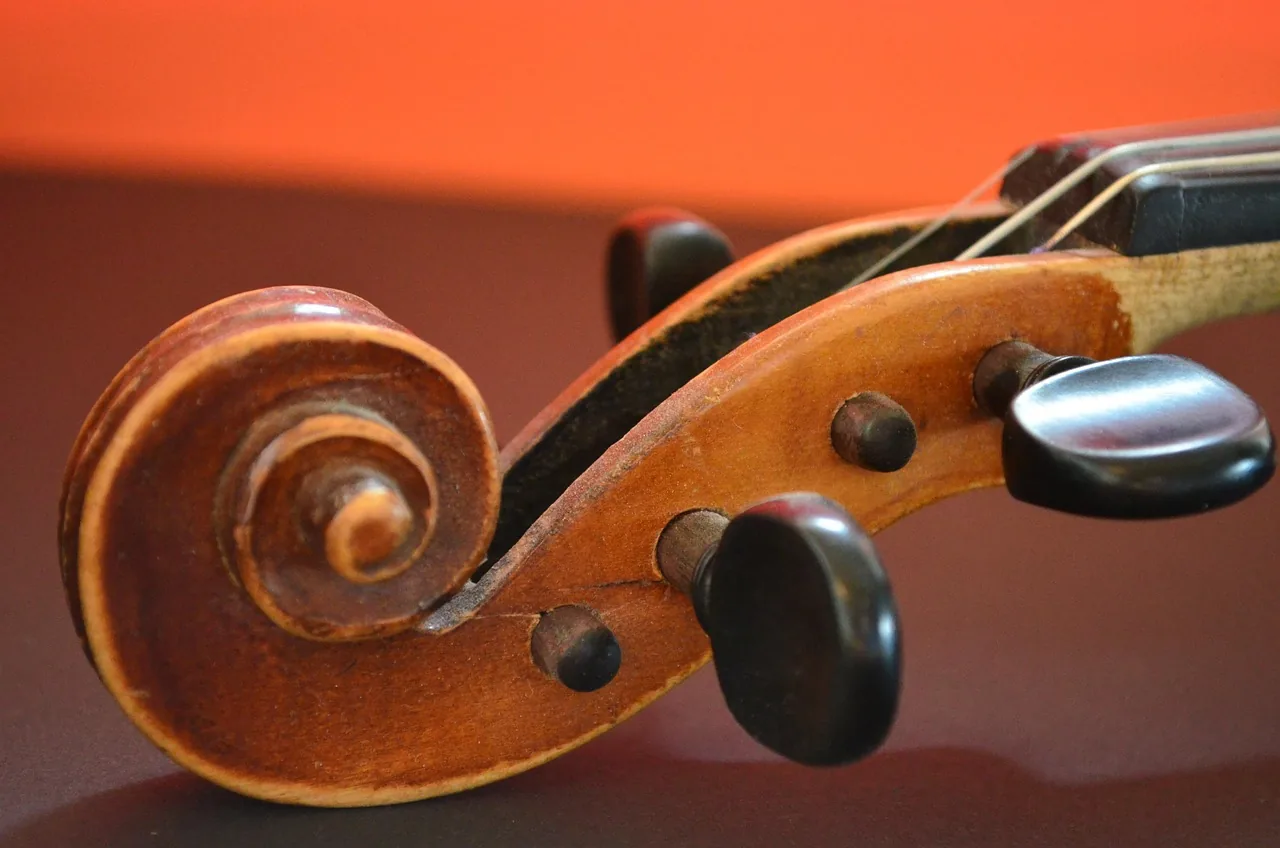
Training and practical advice for becoming a professional luthier
A love of music and woodworking is a good starting point for a career in lutherie. Thorough training, however, is essential to mastering the craft. Workshop courses, such as those offered by the École nationale de lutherie, provide hands-on experience and teach the techniques used to make stringed instruments.
Workshop courses and apprenticeships
The 1,000-hour guitar-making courses cover every stage of production, from selecting materials to final assembly. Trainees learn to use specialist tools and work with fine woods such as rosewood and ebony. Open workshop access for personal projects supplements this practical training and encourages creativity and innovation.
Starting and running a lutherie business
Starting a lutherie business calls for technical skills as well as business knowledge. You need to understand legal, accounting and tax requirements to establish a professional practice. Extracurricular entrepreneurship programmes help aspiring luthiers explore different business models and get started with confidence.
Passion and commitment lie at the heart of this craft. The experiences of many trainees show how comprehensive training can lead to rewarding professional opportunities. With individual guidance, aspiring luthiers can find their place in the field.
Conclusion
Lutherie has captivated people for centuries by bringing passion and technical skill together. Each instrument reflects inherited expertise and unwavering dedication. Workshops are at the heart of this tradition, keeping time-honoured methods alive.
Dedicated luthiers transform wood into stringed instruments with character. Every guitar, violin and cello is unique and carries something of its maker’s story. Passing knowledge from one workshop to another helps sustain the art of lutherie.
Professional training plays a key role in the craft’s future. It provides the tools needed to master modern techniques while honouring tradition. To explore the subject further, discover the essential tools of lutherie.
For anyone who dreams of combining a love of music with craftsmanship, lutherie offers a rewarding path: a world where every note tells a story and every instrument is a work of art.


