

The world of violins is rich and varied, offering musicians many choices. One question comes up often: what is the difference between a factory-made violin and a luthier-made violin?
Factory-made violins are produced in series and offer consistent quality at an affordable price. Luthier-made violins, crafted by hand, embody authenticity and history. Each instrument signed by a luthier bears a unique signature, reflecting skills passed down through generations.
Industrial production focuses on efficiency and standardization, while craftsmanship emphasizes originality and customization. Sound quality is a major consideration: luthier-made violins, often made from aged wood, offer the rich, deep resonance valued by virtuosos.
This article explores historical distinctions, materials, construction techniques, price differences, and the care these instruments require. Discover why choosing between a factory-made violin and a luthier-made violin involves more than budget alone.
Introduction
The violin market has changed remarkably, moving from traditional craftsmanship to mass industrial production. This shift has prompted debate about the authenticity and quality of instruments.
Factory-made violins are produced in series and offer consistent quality at an affordable price. Luthier-made violins are crafted by hand, reflect generations of expertise, and offer unique customization. Sound quality is a key factor: luthier-made violins offer the rich resonance appreciated by experienced musicians.
This article explores history, materials, techniques, and price differences. You will learn how to choose between a factory-made violin and a luthier-made violin, with practical buying advice.
| Aspect | Factory-made violin | Luthier-made violin |
|---|---|---|
| Production | Mass-produced | Handcrafted |
| Materials | Standard wood | Selected wood |
| Customization | Limited | Personalized |
| Sound | Standard | Rich |
This comparison will help you understand the advantages of each type of violin in light of your needs and budget.
A Historical Overview of Violin Making
Over several centuries, the violin has evolved remarkably through technical innovations and aesthetic changes. Its origins go back to the Italian Renaissance, when luthiers began experimenting with new shapes and materials.
Time and the passing centuries have profoundly influenced the value and authenticity of instruments. Some old violins, such as those made by Stradivari, are now regarded as antiques and works of art that attest to enduring craftsmanship. Traditional construction, passed down through generations, relies on meticulous handwork.
By contrast, modern production, though more efficient, has introduced standardized processes that differ from historic techniques. This development highlights the contrast between handcrafted instruments with a history and industrial violins made to meet growing demand.
Understanding this history makes it easier to appreciate the differences between factory-made violins and those signed by a luthier. Discover how an instrument’s origins and construction affect its sound quality and value.
Modern violin making continues to draw on this rich heritage, as shown in this article about precision in handcrafting.
Characteristics of a Factory-Made Violin
Factory-made violins, produced in large quantities, offer a practical option for beginners and anyone seeking an affordable instrument. Designed to meet growing demand, they combine efficient production with accessibility.
Mass-Production Process
Mass production relies on standardized processes. Materials such as wood, the top plate, and varnish are chosen for their uniformity. This approach keeps costs low while ensuring a basic level of quality.
The purfling, for example, is often prefabricated to produce a consistent finish. This industrial approach limits variation and can reduce opportunities to customize the instrument.
Benefits and Limitations of Industrial Production
Benefits include a competitive price and immediate availability. However, fine craftsmanship and individuality are often sacrificed for economies of scale.
| Aspect | Characteristic | Benefit | Limitation |
|---|---|---|---|
| Materials | Standardized wood | Lower cost | Variable quality |
| Production | Automated process | Consistency | Little customization |
| Finish | Prefabricated varnish and purfling | Speed | Less fine detail |
In short, factory-made violins offer beginners a useful compromise, although they lack the authenticity of a handcrafted instrument.
Why a Luthier’s Expertise Matters
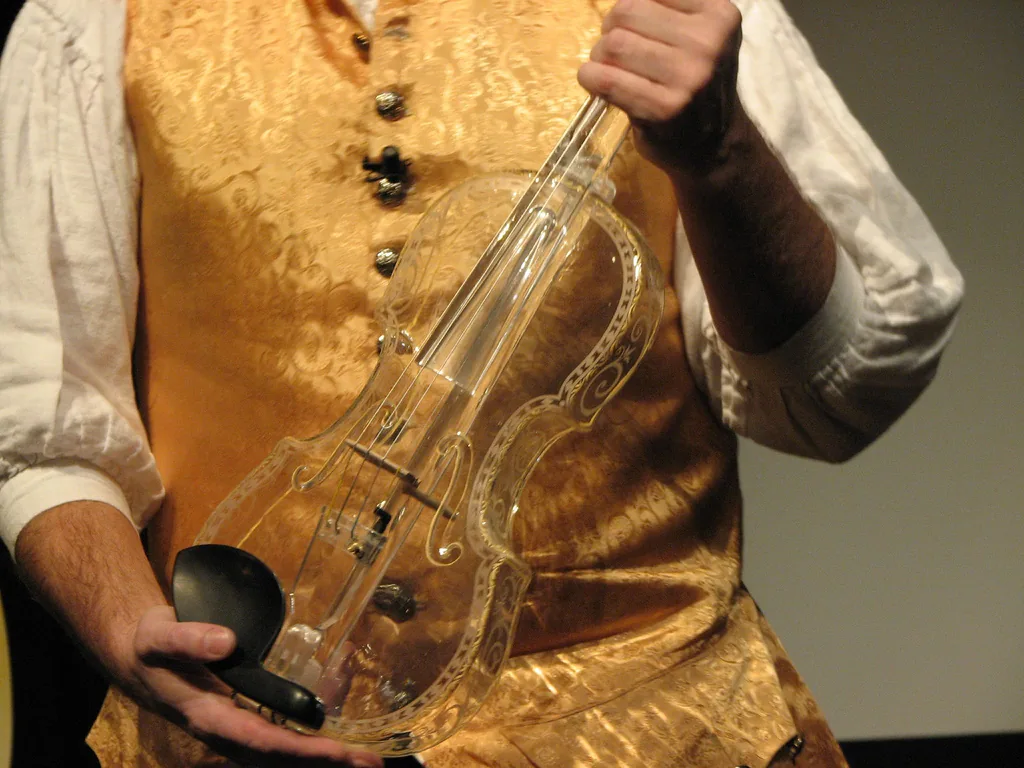
A luthier’s work goes far beyond assembling pieces of wood. It combines art, passion, and technique in skills passed down through generations. In the workshop, the luthier carefully selects each material so that every part contributes to the instrument’s harmony. This expertise distinguishes a luthier-made violin from a factory-made one.
Craft Techniques and Handwork
Making a violin by hand is a meticulous process. Every step, from selecting the wood to applying the varnish, is carried out manually. For example, choosing high-quality aged wood is crucial to the sound. Techniques such as carving the top plate by hand help produce rich, deep resonance. These details, often invisible to the naked eye, make a difference when the instrument is played.
Customization and the Maker’s Signature
Every violin that leaves a luthier’s workshop is unique. It bears its maker’s signature and blends tradition with innovation. Musicians may request custom features, such as special purfling or a particular varnish. This level of customization is impossible in mass production. A certificate of authenticity may also attest to the luthier’s work and add to the instrument’s value.
Expertise plays a crucial role. An experienced luthier knows how to balance a violin’s parts to bring out its best sound. Unlike factory-made violins, those signed by a luthier receive individual attention at every stage. The difference in quality can be heard in every note.
If you are considering a purchase, look for well-documented instruments. A certificate of authenticity helps establish an instrument’s identity and long-term value. To learn more about the essential tools of modern violin making, see this resource.
Differences in Materials and Methods
Materials and construction methods are central to the distinction between factory-made and luthier-made violins. They affect the instrument’s sound quality, durability, and appearance.
Wood Selection and Varnish Quality
Luthiers carefully select high-quality woods, including maple, for their contribution to a rich, deep sound. Factory-made violins often use standardized woods that cost less and are selected less carefully. Maple is particularly valued in luthier-made violins for its ability to support clear, strong harmonics.
The varnish applied to luthier-made violins is generally thicker and carefully prepared, helping protect the instrument and improve its resonance. Factory-made violins often receive a thinner varnish, which may affect their long-term durability.
Top-Plate Thickness and Finish
The thickness of the top plate is an important factor in sound quality. Luthiers adjust it by hand to optimize resonance, while factory-made violins have a standardized thickness. This attention to detail in handcrafted construction can produce a richer, more nuanced sound.
Luthier-made violins also tend to have a more carefully executed finish, with precisely fitted purfling and details. Factory-made violins are functional but often lack this finesse, which can affect the playing experience and the instrument’s overall quality.
- Luthiers use selected woods, including maple, to improve sound.
- The thicker varnish on handcrafted violins strengthens their durability and resonance.
- A hand-adjusted top plate improves sound quality.
- The careful finish of a luthier-made violin offers a richer musical experience.
In short, the differences in materials and construction methods between factory-made and luthier-made violins are significant. They affect sound quality as well as the instrument’s value and durability.
Sound Quality at the Heart of the Debate
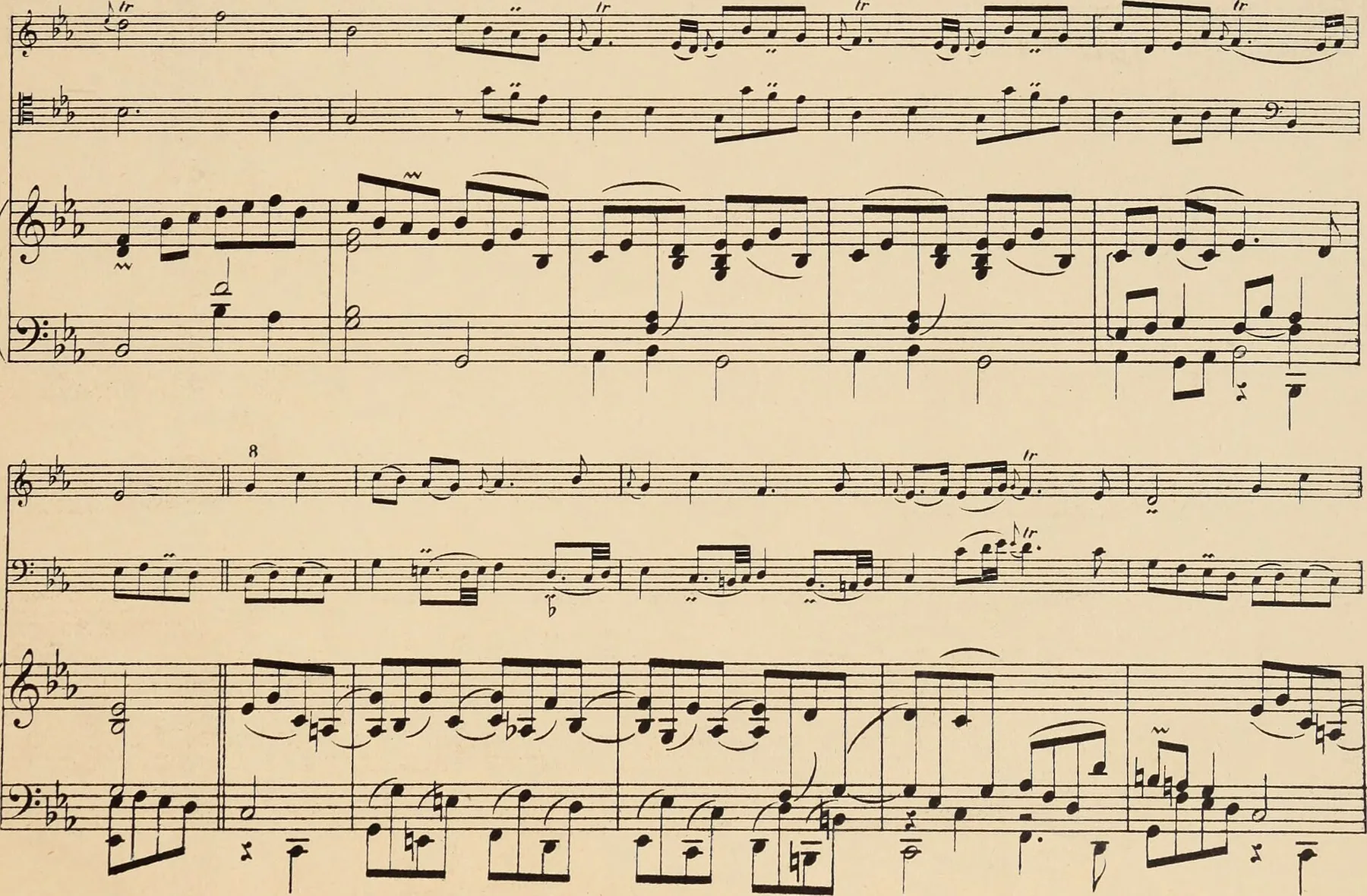
Sound quality matters to musicians because it directly affects their artistic expression. One difference between factory-made and luthier-made violins lies in the sound and playing experience they offer.
Setup, Acoustics, and Tone
Careful setup and acoustics play an essential role in sound quality. Luthiers adjust parts such as the top plate and bridge by hand to optimize resonance. These often invisible adjustments help produce a rich, nuanced tone.
Factory-made violins are functional, but their setup is more standardized. The difference can be heard in the depth and clarity of the notes, two qualities that matter to demanding musicians.
How Construction Affects the Playing Experience
Construction profoundly influences the sound. Handcrafted luthier-made violins offer a distinctive, personal tone. Each instrument is a work of art that can be suited to a musician’s preferences.
Mass-produced factory violins provide consistent quality but lack that individual touch. The difference lies in the expressive quality of the notes, which makes each performance distinctive.
| Aspect | Factory-made violin | Luthier-made violin |
|---|---|---|
| Sound | Standard | Rich |
| Setup | Automated | Manual |
| Construction | Industrial | Handcrafted |
| Experience | Predetermined | Personalized |
Ultimately, sound quality and the playing experience can differ considerably between factory-made and luthier-made violins. The right choice depends on the musician’s needs and expectations, whether they are a beginner or an experienced player.
Effects on Price and Authenticity
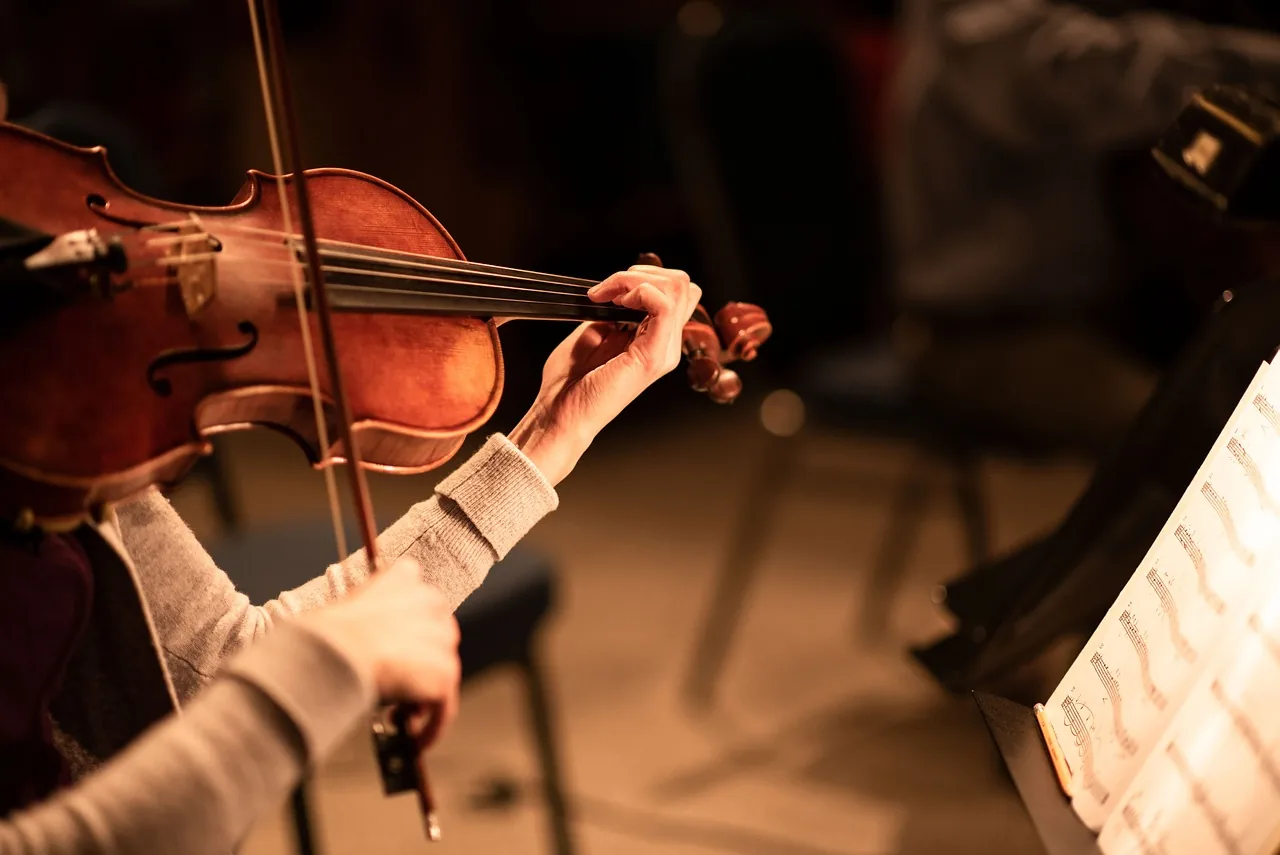
A violin’s price depends heavily on its authenticity and its maker’s reputation. Instruments signed by renowned luthiers have a much higher market value than factory-made violins.
Certificates, Expert Appraisal, and Market Value
Certificates of authenticity play an important role in violin appraisal. Issued by experts, these documents establish an instrument’s origin and quality. For example, a violin attributed to a celebrated maker such as Stradivari can command an enormous sum at auction.
A factory-made violin may cost a few hundred euros, while a handcrafted instrument of comparable quality can cost several thousand. The price difference reflects the time spent making it, the pursuit of perfection, and the fine materials used by luthiers.
Perceptions of authenticity vary across the international market. Musicians and collectors around the world are willing to pay more for an instrument that embodies history and longstanding craftsmanship. For this reason, luthier-made violins can increase in value over time.
Repair and Maintenance
Repair and maintenance are essential to preserving a violin’s sound quality and durability. The techniques luthiers use depend on what the instrument needs.
Repair Techniques and Durability
Luthiers use craft techniques to restore damaged violins. Repairing a cracked top plate, for example, takes an experienced hand to preserve the instrument’s sound.
Luthier-made violins are often built from quality materials and may withstand damage better than factory models. However, a poorly executed repair can harm their sound.
Why Repair Quality Matters
A good repair is crucial to a violin’s longevity and sound. Luthiers adjust parts such as the bridge by hand to optimize resonance.
Factory-made violins cost less, but standardized repairs may affect their long-term durability.
Examples of Repairs
A luthier’s workshop sees many types of repair. Restoring an old violin, for example, may require specialized techniques to preserve its authenticity.
Luthiers treat each instrument carefully and ensure that every repair respects its integrity.
Cost and Regular Maintenance
Repair costs vary with the complexity of the work. Luthiers recommend regular maintenance to avoid costly repairs.
Preserving a violin’s value requires attentive care, including regular cleaning and appropriate storage.
| Aspect | Factory-made violin | Luthier-made violin |
|---|---|---|
| Repair | Standardized techniques | Craft techniques |
| Durability | Standard materials | Selected materials |
| Maintenance | Less personalized | More attentive |
In conclusion, repair and maintenance are crucial to the lifespan and sound quality of any violin, whether factory-made or luthier-made. Luthiers play a key role in preserving these instruments through their expertise.
What Is the Difference Between a Factory-Made Violin and a Luthier-Made Violin?
The comparison between factory-made and luthier-made violins interests many musicians. Each type has its own advantages and disadvantages.
A Detailed Comparison
Factory production focuses on efficiency and standardization. Violins are made in series from materials chosen for their uniformity. This method keeps costs low and quality consistent, making it suitable for beginners.
Luthiers, by contrast, create unique instruments by carefully choosing the wood and adjusting every detail by hand. This craft approach offers a rich sound and a degree of customization that mass production cannot match.
Musicians’ Experiences
Professional musicians praise the sound quality of luthier-made violins. “The resonance is incomparable; every note seems alive,” says one violinist. Amateur players appreciate the affordability of factory models: “It’s ideal for getting started without spending too much.”
- Mass production or handcrafting
- Standardized materials or selected wood
- Standard sound or rich resonance
Ultimately, the choice depends on your needs: sound quality or affordability. Luthier-made violins offer a distinctive musical experience, while factory-made violins are practical and affordable.
Practical Tips for Buying a Violin
Buying a violin is an important decision, whether you choose a factory-made instrument or one made by a luthier. A few practical steps can help you make an informed choice.
Check the Instrument’s Condition
Before buying, examine the violin’s overall condition carefully. Look for repairs or damage. Worn or poorly maintained parts can affect sound quality.
- Inspect the body and neck for cracks or poorly executed repairs.
- Check the condition of the strings and bridge.
The Role of Independent Appraisal
An independent appraisal is crucial for checking an instrument’s authenticity and quality. A qualified expert can confirm whether the violin matches its description.
- Ask for a certificate of authenticity.
- Have an experienced luthier assess the instrument.
Tips for Negotiating the Price
Prices vary according to a violin’s condition and origin. Negotiate with an understanding of its market value and after comparing several offers.
- Compare prices from different sellers.
- Negotiate according to the instrument’s condition and the accessories included.
Following these tips will help you make a sound purchase, whether you choose a factory-made or luthier-made violin.
How the Violin Market Has Evolved
The violin market has undergone several major changes over the years under the influence of historical trends and economic factors. These changes have shaped what is available and how musicians and collectors view instruments.
The Influence of Historical Trends
Over time, historical trends have played a major role in how instruments are valued. Old violins, particularly those made by celebrated luthiers such as Stradivari, can gain value as they age. Their rarity and history help explain this trend.
Numerous studies have shown that instruments made centuries ago are now considered treasures. Their value rests on their history and rarity as well as their sound quality. An eighteenth-century violin can therefore command an enormous sum at auction, illustrating the importance of historical factors in its valuation.
Speculation and the Value of Old Instruments
Speculation in old violins is growing. Some collectors and investors buy these instruments hoping to resell them at higher prices. This has led to substantial price increases for the rarest examples.
For example, a violin signed by a renowned luthier may double in value within a few years. This particular case illustrates the effect of market trends and growing demand for quality instruments. Experts point out that speculation can sometimes push prices beyond an instrument’s intrinsic value, creating a speculative bubble.
In conclusion, historical trends and speculation have shaped the violin market. Old instruments in particular continue to gain value, making the violin an object of desire and investment as well as a musical instrument. To learn more about violin history and valuation, see this in-depth study.
Conclusion
Choosing a violin involves more than a practical decision. It means finding an instrument that suits your musical sensibility. Factory-made violins offer consistent quality at an affordable price, making them suitable for beginners or anyone who wants to explore the instrument without a large investment. Luthier-made violins embody longstanding craftsmanship: each one is unique and has a story.
The quality of selected woods, such as maple, plays a crucial role in the sound. Luthiers adjust every detail by hand, from the top plate to the bridge, to obtain rich, nuanced resonance. Factory-made violins are functional but often lack that craft refinement.
Before buying, research and compare instruments. Consult experts to assess authenticity and quality. Careful repairs and regular maintenance are also crucial to preserving your violin’s sound quality and durability.
Ultimately, the world of violins combines tradition and innovation. Whether you choose a factory-made or handcrafted instrument, the most important thing is to find a violin that meets your technical and expressive needs. To continue your research, explore our tips for choosing the best violin for young musicians.


