
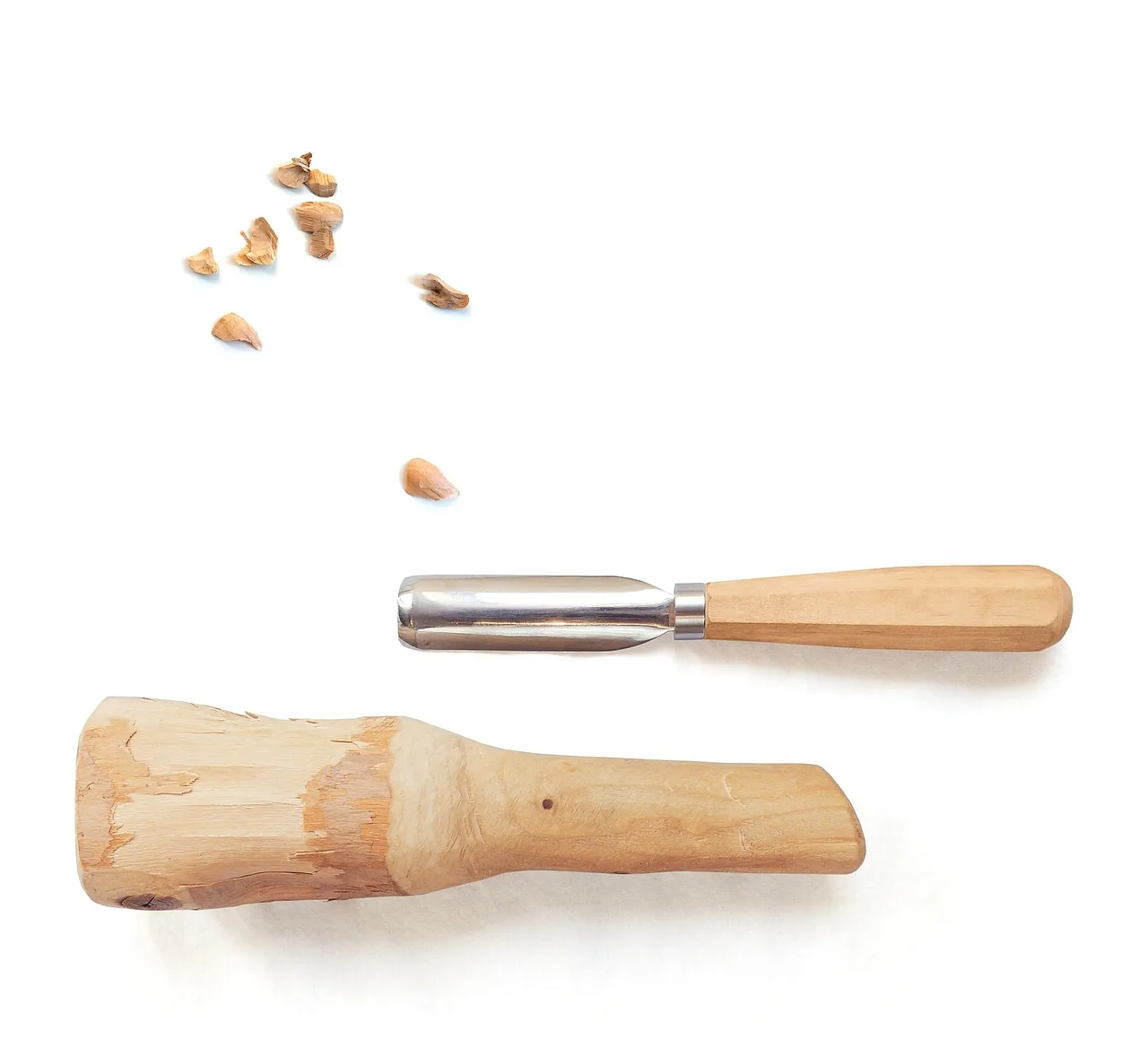
Modern luthiery requires specialized tools to make and maintain musical instruments with precision and quality. Luthiery tools include cutting, carving, sanding, adjustment, and measuring tools. They are essential for shaping wood, fitting parts, adjusting intonation, and ensuring the sound quality of instruments.
Tools commonly used in modern luthiery include gouges, planes, small files, squares, compasses, binding irons, files, varnishes, brushes, and strings. These tools enable professional luthiers to make high-quality instruments and carry out repairs and restorations with precision.
Luthiery tools are indispensable to a luthier’s work. They enable luthiers to shape and adjust musical instruments for the best possible sound and playability.
The different facets of modern luthiery
Modern luthiery encompasses several facets. Maintenance and repair are the most common activities, undertaken to prepare instruments for resale or meet musicians’ needs. Restoration is technical work that demands extensive experience and respect for the original craftsmanship. Making instruments forms the basis of training, and each student at a violin-making school begins by making a violin. Sales are also important to luthiers, who must sell their instruments to earn a living. Finally, appraisal requires a thorough knowledge of violin history and a keen eye for identifying and assessing instruments.
Modern luthiery thus offers a range of possibilities, from designing and making musical instruments to maintaining, repairing, and restoring them. Each facet requires specific skills and extensive expertise. Luthiers must therefore master different techniques and know the instruments and materials they use well.
Restoration is one of the most delicate tasks in modern luthiery. It requires a thorough understanding of the original construction techniques and great precision to preserve an instrument’s integrity and characteristics. Restoration luthiers must be able to resolve structural problems, repair damage, and carefully restore finishes.
Instrument making is another important facet of modern luthiery. Luthiers who make instruments are passionate craftspeople who design and build unique, personalized musical instruments. They often work closely with musicians to understand their needs and create instruments that meet their specific expectations.
Sales are an essential part of modern luthiery. Luthiers must be able to market their instruments and find customers. This requires skills in marketing, communication, and customer relations. Some luthiers sell their instruments online, while others prefer to sell them directly from their workshops.
“Modern luthiery is a versatile profession that requires both technical and artistic skills. As a luthier, you must master construction and repair techniques and have the artistic sensitivity to create quality musical instruments.”
— Jean-Pierre Martin, luthier
Expertise in luthiery is also essential. Expert luthiers know the history of musical instruments, the different schools of luthiery, and styles of construction. They can identify and assess old instruments and appreciate their value. This requires a keen eye and an understanding of the construction techniques specific to each period.
In conclusion, modern luthiery offers varied opportunities to passionate luthiers. Whether making, maintaining, repairing, restoring, or appraising instruments, every aspect of luthiery calls for specific skills and a thorough knowledge of musical instruments. Luthiers play an essential role in preserving and creating quality instruments, thereby enriching musical culture.
| Facet | Description |
|---|---|
| Maintenance and repair | Common activities that prepare instruments for resale or meet musicians’ needs. |
| Restoration | Technical work requiring extensive experience and respect for the original craftsmanship. |
| Instrument making | Making unique, personalized musical instruments. |
| Sales | Selling musical instruments to earn a living. |
| Appraisal | Identifying and assessing old instruments. |
The luthier’s profession
A luthier is a craftsperson specializing in the making, assembly, maintenance, repair, and restoration of instruments in the violin family. This profession demands a distinctive combination of manual dexterity, a musical ear, and a keen eye.
To begin, the luthier selects high-quality wood for making instruments. They then cut, carve, and assemble the different pieces to create a harmonious instrument. They use specialized tools to shape the components and take care to assemble them precisely to produce a quality instrument.
In addition to making instruments, the luthier maintains and repairs them. They set up new and old instruments to ensure accurate intonation and proper function. When repairs are needed, they work carefully to preserve the instruments’ main characteristics and functions, making delicate adjustments and replacing damaged parts if necessary.
Restoration demands great expertise and deep respect for the original instrument. Qualified luthiers can restore old or damaged instruments while respecting the original techniques and craftsmanship, preserving their historical value and authenticity.
Finally, some luthiers specialize in appraisal to identify, evaluate, and assess musical instruments. Their expertise is essential for determining an instrument’s value, recognizing its authenticity, and establishing its origin.
Luthiery is a vocation that requires a passion for music and instruments, along with thorough training. Luthiers must continually develop their skills and knowledge of making and repair techniques to provide quality instruments and professional services to musicians and music enthusiasts.
Key skills of a luthier:
- Exceptional manual dexterity for handling tools and materials.
- A musical ear for tuning and adjusting instruments precisely.
- A keen eye for noticing the smallest details and detecting problems.
- Thorough knowledge of the various techniques for making, assembling, repairing, and restoring musical instruments.
- The ability to work precisely and meticulously to ensure the quality of instruments.
Luthiery is a craft that combines creativity, technique, and passion. Luthiers play an essential role in preserving and developing music by providing high-quality instruments and specialized services that meet musicians’ needs.
Career prospects in modern luthiery
Modern luthiery offers many career opportunities to people passionate about music and instrument making. Luthiers mainly work in small businesses, such as sole proprietorships or microbusinesses. Some workshops may employ up to around ten people. Young luthiers often have the opportunity to begin their careers as assistants in established workshops, gaining experience and responsibility before setting up their own businesses.
Luthiers work throughout France, with a particularly high concentration in Paris, a major center of luthiery. Opportunities also exist in other regions, depending on local demand and the presence of musicians and orchestras.
The amount of work available to luthiers is closely tied to musical activity and the growth of instrumental music-making. Greater demand for instrument maintenance, repair, and replacement can create more career opportunities for qualified luthiers. However, competition exists nationally and internationally, particularly because mass-produced instruments are increasingly available.
To succeed in this field, luthiers must master instrument-making, maintenance, and repair techniques while also showing creativity and innovation. They need to offer unique instruments of exceptional quality to stand out in the market.
Furthermore, advanced training is often needed to become a qualified luthier. Specialist luthiery schools offer in-depth programs that help students acquire the necessary skills and improve in this complex profession. Luthiers with solid training generally have better career prospects and can pursue a wider range of opportunities.
In summary, although it is demanding and competitive, modern luthiery offers rewarding career prospects to passionate luthiers. Whether they make instruments, specialize in maintenance and repair, or contribute their expertise to instrument replacement, qualified luthiers are indispensable to preserving and developing the richness of music.
Conclusion
Modern luthiery is a profession that combines technical skill and art. Luthiers use specialized tools to make, maintain, repair, and restore musical instruments. Their skills allow them to bring harmonious instruments to life for musicians around the world to enjoy.
The luthier’s profession offers many possibilities, from making new instruments and restoring old works to identifying and evaluating an instrument through expert appraisal. It nevertheless demands great manual dexterity, a fine musical ear, and a deep passion for music.
Luthiers must be creative when designing unique instruments and precise when ensuring optimal sound quality. They must also take care to preserve the characteristics and history of old instruments. By enriching musical culture, modern luthiery is an artistic craft that delights us with the beauty and sound of the instruments it creates.
FAQ
What are the essential tools of modern luthiery?
The essential tools of modern luthiery include cutting, carving, sanding, adjustment, and measuring tools, such as gouges, planes, small files, squares, compasses, binding irons, files, varnishes, brushes, and strings.
What are the different facets of modern luthiery?
The different facets of modern luthiery include maintenance, repair, restoration, instrument making, sales, and appraisal.
What does a luthier do?
A luthier’s tasks include making, assembling, maintaining, repairing, and restoring instruments; selecting wood; cutting, carving, and assembling components; setting up new and old instruments; preserving their main characteristics and functions; restoring historically significant instruments; and providing expert identification and appraisal.
What are the career prospects in modern luthiery?
Career prospects in modern luthiery include starting a sole proprietorship, running a luthiery workshop, working as a workshop assistant, gaining experience and responsibility, and specializing in appraisal.
What qualities does a luthier need?
Luthiers need excellent manual dexterity, a musical ear, and a keen eye. They must also show creativity, precision, and dedication to ensure the quality of the instruments they make or repair.


