
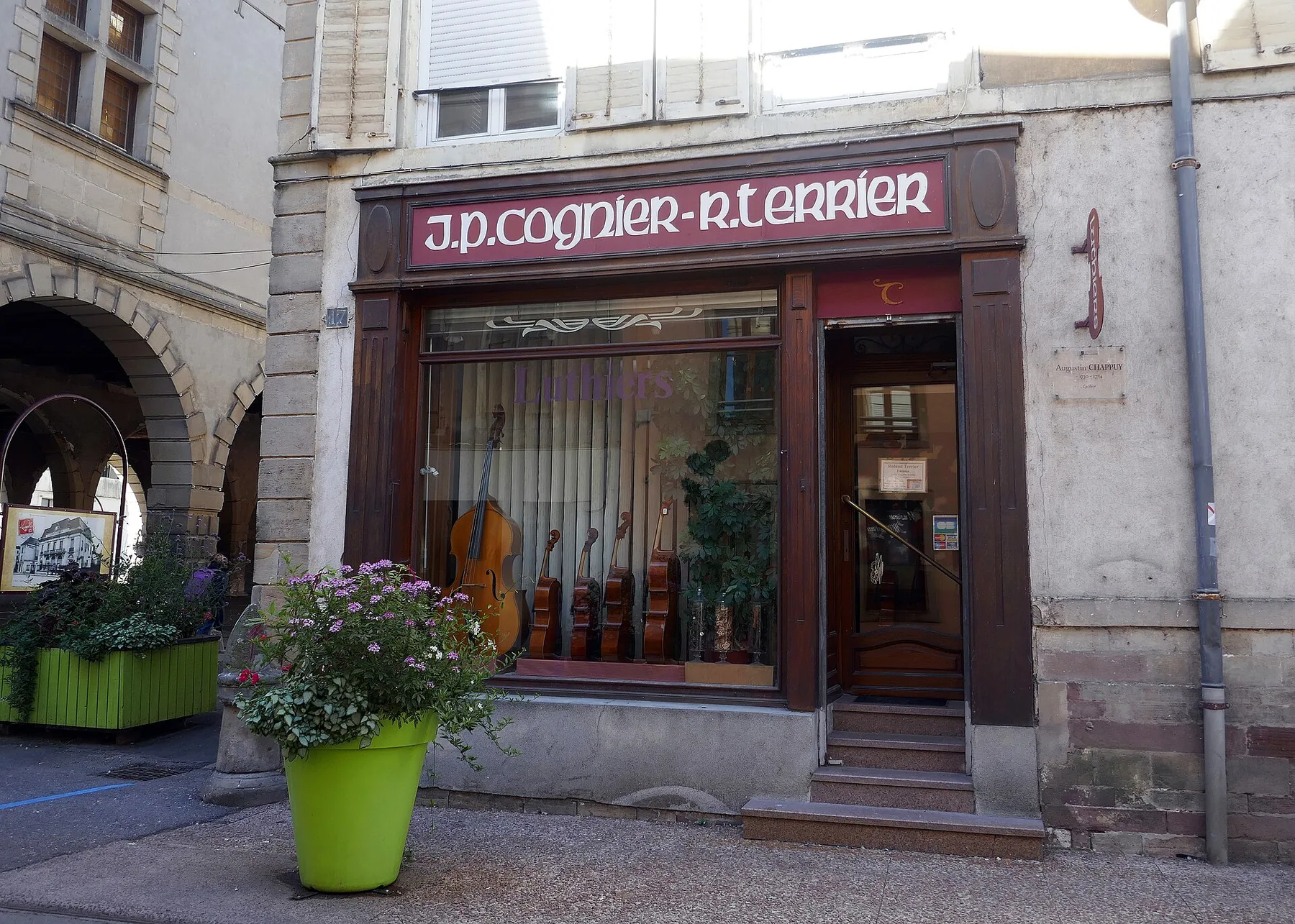
Traditional violin-making workshops are places where musical instruments are made by hand, particularly stringed instruments such as violins, violas and cellos. These workshops celebrate woodworking and traditional crafts while preserving the traditional skills of violin making. The instruments made there are unique and reflect the passion and talent of the luthiers who create them. The workshops also offer guided tours that let visitors see how instruments are made and learn more about this centuries-old art.
Making musical instruments in these workshops combines skilled woodworking with time-honored techniques and exceptional expertise. Each instrument is made with care and precision, using quality materials and respecting the traditions of handmade violin making. Luthiers master every stage of production, from selecting the wood to fitting the strings, to achieve remarkable sound quality.
These traditional violin-making workshops help preserve a rich and valuable cultural heritage. By making handcrafted musical instruments, luthiers carry on centuries-old traditions and pass their skills from one generation to the next. The instruments that leave these workshops are works of art in their own right, combining beauty with exceptional acoustic performance.
Discovering traditional violin-making workshops is a unique experience for lovers of music and craftsmanship. Whether you are a musician, an instrument enthusiast or simply curious about traditional crafts, a visit will immerse you in the fascinating world of violin making.
The history of violin making in Mirecourt
Mirecourt, in France’s Vosges department, is considered the birthplace of French violin making. Since the seventeenth century, the town has developed as a center for making and selling musical instruments, particularly bowed stringed instruments and bows. Today, Mirecourt is still home to many violin and bow makers who carry on this tradition. The Museum of Violin and Bow Making in Mirecourt presents the history and skills involved in making musical instruments, offering visitors a way to discover this centuries-old art.
Mirecourt is renowned for its exceptional instrument making, the result of centuries of skill and tradition. Its luthiers are known for their craftsmanship and their ability to create instruments of exceptional quality. Bow makers specialize in crafting the bows essential to bowed stringed instruments.
The Museum of Violin and Bow Making showcases Mirecourt’s rich instrument-making heritage. It displays a distinctive collection of historic musical instruments, along with the tools and techniques used by the town’s luthiers. Visitors can explore the fascinating history of violin making in Mirecourt and appreciate the fine details that make these instruments true works of art.
Famous luthiers from Mirecourt
Mirecourt has been the birthplace of many famous luthiers who greatly contributed to its reputation. Among them is Jean-Baptiste Vuillaume, a renowned nineteenth-century maker who transformed the craft of making stringed instruments. His violins, violas and cellos remain highly sought after by musicians around the world.
“Mirecourt’s violin-making tradition is a true national treasure. The town’s luthiers preserve centuries-old skills and create instruments of unparalleled quality.” — Jean-Baptiste Vuillaume
Today, Mirecourt remains an active center of violin making. Its luthiers carry on traditional techniques while adapting their work to the needs and developments of contemporary music. Instruments made in Mirecourt are valued for their exceptional sound, fine craftsmanship and refined appearance.
| Famous luthiers from Mirecourt | Period |
|---|---|
| Jean-Baptiste Vuillaume | Nineteenth century |
| Nicolas Lupot | Eighteenth century |
| Jules Galliard | Twentieth century |
Violin making in Mirecourt is a valuable heritage preserved and celebrated by today’s luthiers. Through their passion, craftsmanship and love of music, they continue this long tradition and create distinctive musical instruments.
How musical instruments are made
Making musical instruments in traditional violin-making workshops begins with careful selection of tonewood, especially maple and spruce. These woods are dried for several years to develop the stability and flexibility needed for a good sound.
Luthiers then use specialized tools, such as gouges and planes, to carve, bend and assemble the different parts of the instrument.
Varnish, made from linseed oil and pine resin, is applied to protect the wood and give it a glossy finish.
Finally, steel strings are fitted to produce the characteristic sound of each instrument.
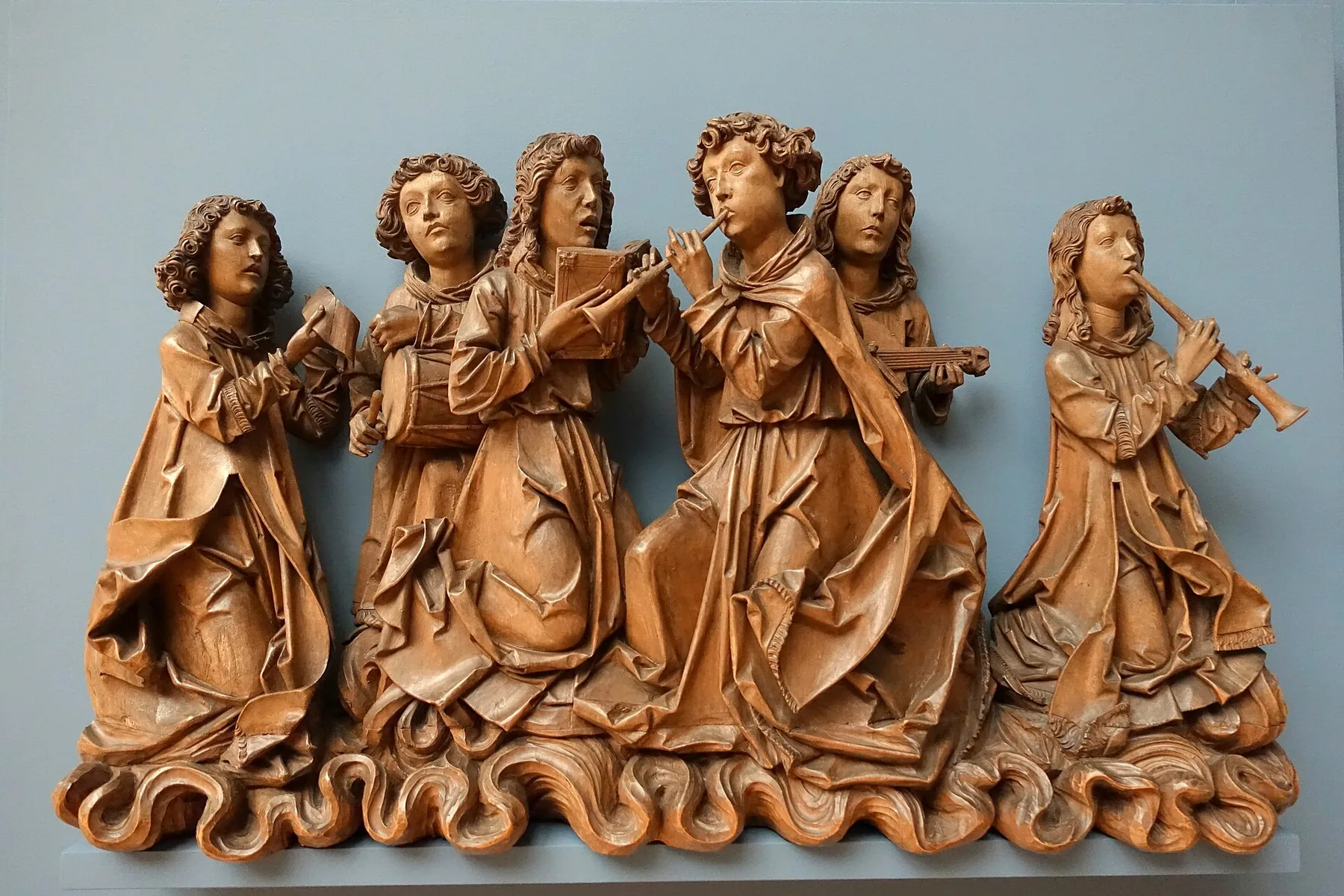
An example of the violin-making process:
- Select the tonewood: maple for the back, ribs and neck, and spruce for the soundboard.
- Dry the wood for several years so it develops the desired stability and resonance.
- Use tools such as gouges and planes to carve and shape the instrument’s different parts.
- Assemble the parts and glue the joints.
- Apply several coats of varnish made from linseed oil and pine resin for a durable, attractive finish.
- Fit the steel strings and adjust the soundpost, bridge and tailpiece to optimize the sound.
Making a musical instrument is meticulous work that requires patience, precision and skill to produce an instrument of exceptional sound quality.
| Benefits of handcrafted musical instruments |
|---|
| Superior acoustic quality through careful wood selection and precise adjustment of every component. |
| A distinctive appearance thanks to glossy varnish and hand-carved details. |
| Long life and durability through quality materials and sturdy construction. |
| Unique, personalized instruments tailored to musicians’ needs and preferences. |
Why handcrafted violin making matters
Handcrafted violin making plays a crucial role in preserving the acoustic quality of musical instruments. By making each instrument by hand, luthiers can adjust and refine every detail to achieve the best possible sound. The tradition is also a valuable cultural heritage passed down through generations. Handcrafted musical instruments offer distinctive tonal richness and expressiveness, making them valuable both artistically and as cultural artifacts.
When luthiers make a musical instrument by hand, they have complete control over its design and construction. Every step, from choosing the wood to applying the final coat of varnish, receives meticulous attention. Luthiers can adjust the curvature, thickness and tension of the instrument’s various parts to achieve the best possible sound quality. This approach produces unique instruments suited to individual preferences and endowed with exceptional sound.
Alongside their exceptional acoustic quality, handcrafted musical instruments are prized for their beauty. Luthiers combine technical skill with artistic judgment to create instruments that are both works of art and tools for musicians. Each instrument is unique, with carved details, inlays and patterns that reflect its maker’s creativity and talent.
Handcrafted violin making is also a valuable cultural heritage. Techniques for making musical instruments have been passed from one generation to the next, preserving centuries-old expertise. Traditional violin-making workshops safeguard this tradition: they train new luthiers and keep the craft’s techniques and knowledge alive. Handmade musical instruments embody this heritage and allow musicians and enthusiasts alike to appreciate a tradition stretching back centuries.
In short, handcrafted violin making is essential to preserving the acoustic quality of musical instruments and passing on a valuable cultural heritage. Handmade instruments offer distinctive tonal richness and expressiveness while also being beautiful works of art. By visiting traditional violin-making workshops, music lovers can discover this fascinating world and appreciate the skill and dedication of its luthiers.
Conclusion
Discovering traditional violin-making workshops offers music and craft enthusiasts a unique experience. Visitors can immerse themselves in the fascinating world of violin making, learn how musical instruments are made and discover the traditional skills of luthiers.
These workshops celebrate traditional crafts and help preserve a valuable cultural heritage. The instruments made there reflect the passion and talent of their makers while offering exceptional sound quality and incomparable beauty.
Whether you are a musician, an art lover or simply curious, a visit to a traditional violin-making workshop will let you discover the magic of making a musical instrument, meet passionate craftspeople and understand the importance of traditional skills in the world of violin making.
FAQ
What are traditional violin-making workshops?
Traditional violin-making workshops are places where musical instruments are made by hand, particularly stringed instruments such as violins, violas and cellos. They celebrate woodworking and traditional crafts while preserving the traditional skills of violin making.
Where is Mirecourt?
Mirecourt is in the Vosges department of France.
Why is Mirecourt known for violin making?
Mirecourt is considered the birthplace of French violin making. Since the seventeenth century, the town has developed as a center for making and selling musical instruments, particularly bowed stringed instruments and bows.
How are musical instruments made?
Making musical instruments in traditional violin-making workshops begins with careful selection of tonewood, especially maple and spruce. Luthiers then use specialized tools, such as gouges and planes, to carve, bend and assemble the instrument’s different parts. Varnish made from linseed oil and pine resin is applied to protect the wood and give it a glossy finish. Finally, steel strings are fitted to produce each instrument’s characteristic sound.
Why does handcrafted violin making matter?
Handcrafted violin making plays a crucial role in preserving the acoustic quality of musical instruments. By making each instrument by hand, luthiers can adjust and refine every detail to achieve the best possible sound. The tradition is also a valuable cultural heritage passed down through generations.


