

Restoring a stringed instrument is a delicate process that combines craftsmanship with respect for its history. Every step, from the initial cleaning to restringing, must be carried out precisely to preserve its original sound and appearance.
An experienced luthier knows that knowledge of techniques and construction methods is essential. The choice of materials, such as spruce or maple, directly affects sound quality. The precision with which the parts are assembled is also crucial to achieving the best sound.
Restoration also requires a balance between technical intervention and historical preservation. Every instrument has a unique identity, and its authenticity must be respected as it is brought back to life. This guide outlines the main stages of this complex process for luthiers and music enthusiasts.
Introduction to stringed instrument restoration
Restoring a stringed instrument presents a distinctive challenge: respecting musical heritage while preserving the instrument’s original sound. Every instrument, whether a guitar or a violin, has a history worth preserving. Luthiers therefore need considerable technical skill to restore its condition while respecting its authenticity.
Context and challenges of restoration
Restoring a stringed instrument goes beyond a simple repair. It is an artistic and technical undertaking that brings an instrument back to life while preserving its historical integrity. The choice of materials, including wood selected for its acoustic properties, plays a crucial role. For example, luthiers often choose spruce or maple for their ability to produce rich harmonics.
Historical documentation is essential from the moment the instrument is identified. Knowing its date of manufacture, maker, or original workshop helps plan future work. Discover the techniques behind violin making and the use of wood in lutherie to better understand these challenges.
Experienced luthiers carefully assess an instrument’s overall condition before doing any work. This step is vital for identifying damage, such as cracks or deteriorated varnish, and deciding what repairs are needed. Precision in carrying out those repairs helps ensure both the instrument’s durability and the preservation of its distinctive sound.
In short, stringed instrument restoration depends on a delicate balance between respect for history and technical innovation. Understanding these challenges helps luthiers plan their work and preserve musical instruments for years to come.
Assessing and identifying the instrument
Before any work begins, a careful assessment is essential to identify the instrument and evaluate its condition. This process helps establish its history and determine the necessary repairs.
Accurately identifying the instrument and its history
Accurate identification is crucial. An experienced luthier examines the instrument’s particular features, including its date of manufacture, maker, and geographical origin. These details help the luthier understand the instrument and plan the work.
The luthier relies on precise measurements, detailed photographs, and visual examination. For example, luthiers examine the type of wood to assess its acoustic qualities.
Assessing overall condition and identifying damage
Assessing the instrument’s overall condition reveals damage such as cracks or deteriorated varnish. The luthier checks each part, including the soundboard and bridge, to determine its condition.

A complete record is compiled, including documents and sketches. It provides the information needed for a successful restoration.
A thorough assessment is the foundation of high-quality restoration work. It helps preserve the instrument’s authenticity while bringing it back to life.
Essential steps for restoring a stringed instrument
Restoring a stringed instrument is a complex process that requires careful planning. Before starting, it is essential to gather the information needed to draw up a precise plan.
Planning and gathering information
Planning is crucial. An experienced luthier starts by gathering relevant information about the instrument: historical documents, detailed photographs, and technical analyses. For a guitar or violin, for example, it is important to know its origin and distinctive characteristics.
Documentation from reliable sources is organized systematically. This helps define the restoration steps and ensure that each intervention respects the instrument’s authenticity. The luthier plays a key role in assessing the project’s technical and aesthetic choices.
Assessing the feasibility and risks of restoration
Before work begins, the feasibility of the restoration must be assessed. Some interventions, especially those involving the soundboard or other wooden parts, can affect the instrument’s sound. An initial assessment is therefore essential to identify damage and determine the repairs needed.
A thorough assessment helps preserve the instrument’s authenticity while bringing it back to life. It guides precise work that respects both its appearance and its function.
| Material | Risk | Intervention |
|---|---|---|
| Wood | Cracks | Reinforcement |
| Varnish | Deterioration | Restoration |
| Strings | Wear | Replacement |
Restoration techniques and preserving authenticity
Restoring a stringed instrument combines craftsmanship with respect for its history. Each intervention should draw on traditional techniques and appropriate materials to preserve its authenticity.
Using traditional methods and choosing materials
Luthiers use traditional methods and tools such as gouges and planes to restore guitars and violins. Choosing a natural varnish and wood selected for its acoustic qualities is crucial. For example, a varnish based on vegetable oils can help preserve the instrument’s acoustic balance.
Respecting reversibility and historical integrity
Interventions should be reversible so that future restoration can take place without damaging the instrument. Repairs to the bridge or strings, for example, are carried out carefully to maintain structural integrity. This approach helps the instrument retain its historical and musical value.

Ultimately, stringed instrument restoration requires a balance between technical skill and respect for history. Luthiers use traditional tools and suitable materials to preserve instruments’ authenticity and pass them on to future generations.
Incorporating regular workshop maintenance
Preserving an instrument’s integrity does not end when restoration is complete. Regular maintenance is essential to protect its sound quality and longevity. Specialist workshops play an important part in this work.
Tips for cleaning and regular maintenance
Regular cleaning is crucial. Dust and moisture can damage varnish and wood. Use a soft cloth and avoid harsh chemicals.
- Clean the strings after each use to prevent residue from building up.
- Check string tension regularly to maintain the instrument’s stability.
Adjustments to the bridge and neck also matter. Incorrect tension can affect the sound.
Tips for extending the instrument’s life
For a guitar, replace worn strings to maintain the best possible sound. Avoid storing the instrument in a damp or hot environment.
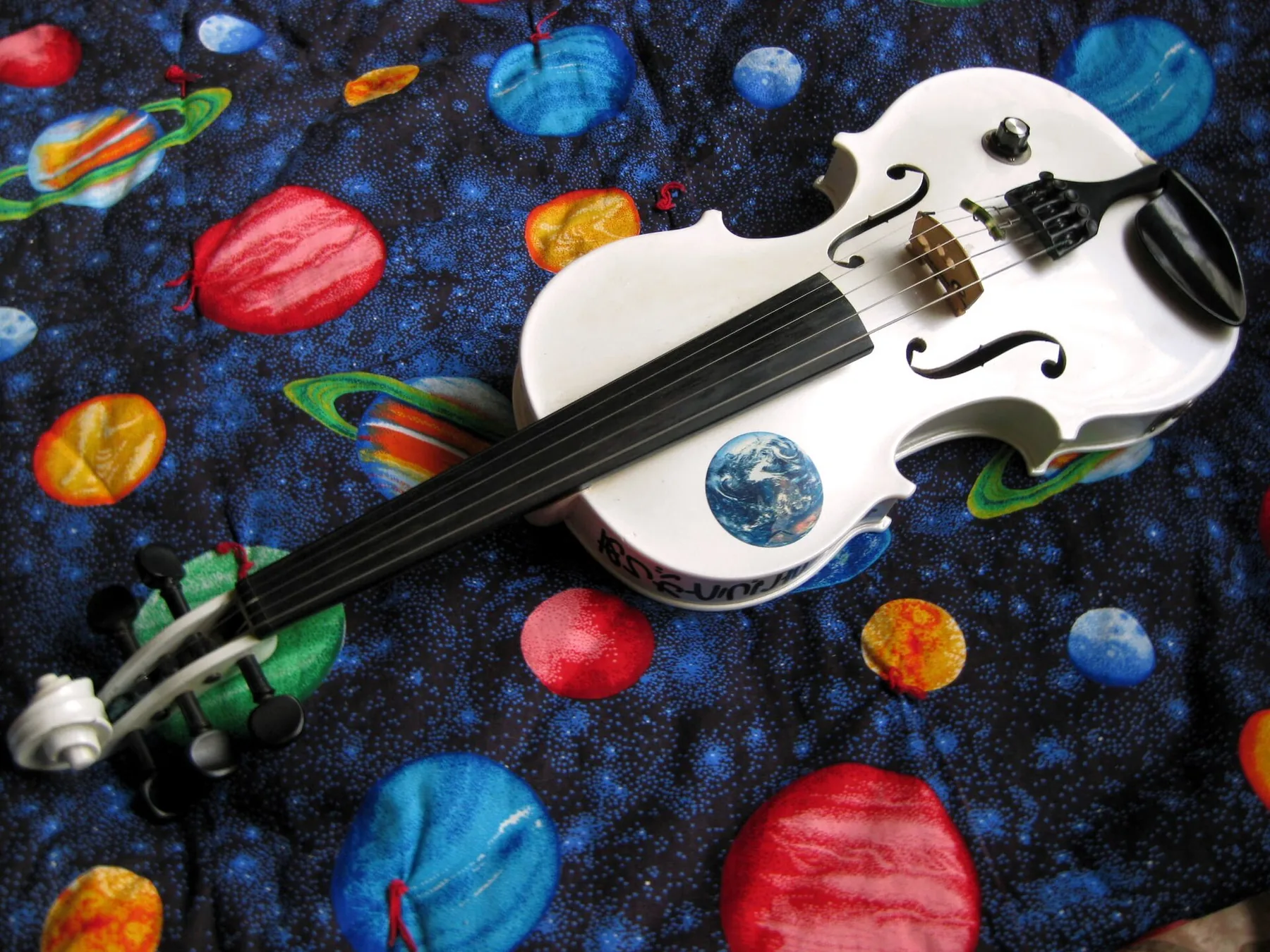
Regular workshop maintenance is essential. It extends the instrument’s life and preserves its sound quality.
Conclusion
Restoring a stringed instrument is much more than a simple repair. It honors the history and distinctive sound of each instrument, whether a guitar or a violin. Every string and chosen material plays a crucial role in preserving its authenticity.
A thorough assessment and careful planning are essential before any work begins. Traditional techniques, combined with carefully selected materials, can restore the instrument’s function and sound.
To learn more, or if you need a repair tailored to your instrument, consult a professional or explore specialist resources such as this online guide to conservation and restoration. Share this article with other enthusiasts, and feel free to ask questions or request a quote for a restoration tailored to your instrument.
FAQ
What materials do luthiers use?
How do I choose the right luthier?
How can I maintain an instrument’s quality?
How long does a repair take?
How can I prevent damage to an instrument?
What is the difference between a luthier and a craftsperson?
How should I clean an instrument?
How does a luthier preserve authenticity during restoration?
Source links
- https://music.unm.edu/areas/violin-making/
- https://icom.museum/en/ressource/the-care-of-historic-musical-instruments/
- https://www.canada.ca/en/conservation-institute/services/care-objects/musical-instruments.html
- https://archive.org/details/violinmakingasit00hero
- https://www.nm.cz/en/periodicals/musicalia-journal-of-the-czech-museum-of-music-casopis-ceskeho-muzea-hudby/13-1-2/the-conference-documentation-conservation-and-restoration-of-musical-instruments-through-the-eyes-of-violin-makers


