
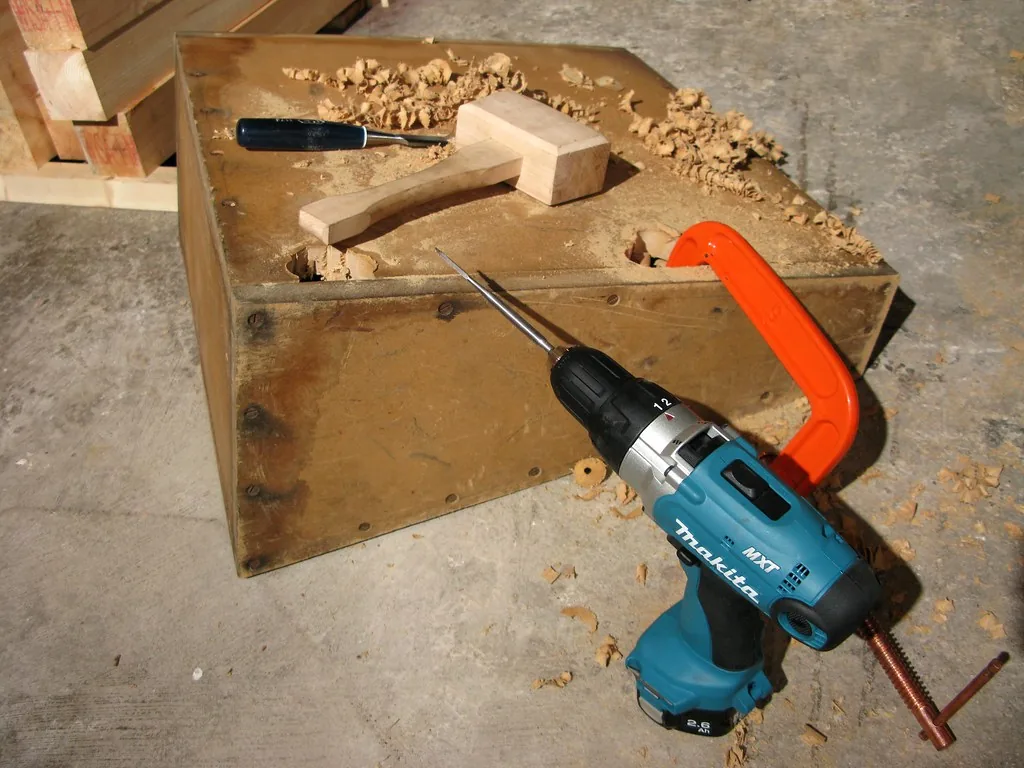
Amateur lutherie is a fascinating craft that combines creativity and precision. To build a guitar successfully, you need the right tools. A well-equipped workshop helps you work safely and achieve a high-quality finish.
Choosing quality tools is crucial to a successful project. Whether you are sawing wood, adjusting the guitar’s neck or body, or applying the finish, each step calls for suitable tools. Accessories such as masks and earplugs are also essential for working safely.
Many enthusiasts take up lutherie to create their own instrument or customize one they already own. Tool quality directly affects the final result. In this article, we will explore the categories of tools you need for your amateur lutherie project.
Introduction to amateur lutherie
Amateur lutherie combines passion and practical skill. Every step, from selecting the wood to applying the finish, presents a creative challenge. This evolving craft attracts more and more enthusiasts.
What is amateur lutherie, and why take it up?
Amateur lutherie is the craft of making musical instruments at home. It combines technique and creativity with the satisfaction of creating something unique. Many people take it up to customize an instrument or explore new forms of artistic expression.
Why good tools matter to your project
Good tools are essential from the start. Wood chisels, for example, help you cut wood precisely and directly affect the shape and grain of the parts. Choosing quality tools influences the final result of your guitar.
If this craft interests you, explore our guitar-making courses to get started.
Essential tools for getting started in amateur lutherie
Before starting your project, make sure you have the tools needed to work efficiently and safely. Amateur lutherie demands care at every stage, and the right tools will serve you well.
Safety and comfort: a mask, earplugs, and a well-organized workbench
Wearing a dust mask and earplugs is essential. They protect your airways and hearing. A well-organized professional workbench makes work more comfortable and helps prevent back pain. Adjust the work surface to a height that suits you.
Tools for cutting and shaping wood: jigsaw, router bits, files, and rasps
A jigsaw and a band saw are ideal for cutting wood. Straight router bits and flush-trim bits provide excellent precision. For a clean finish, use files, rasps, and planes. These tools help you adjust every part and every fret with care.
| Tool | Quality | Price | Diameter |
|---|---|---|---|
| Jigsaw | High | €50 | 10 cm |
| Flush-trim bit | Professional | €80 | 5 cm |
| Rasp | Standard | €30 | 15 cm |
Consider value for money when choosing tools, especially if you plan to make several instruments. A quality rasp is a long-term investment. For more information, read our advice or sign up for our courses.

Every tool has a role in making a guitar. Choose your tools carefully and maintain them regularly to achieve excellent results.
Hand tools and power tools for making your guitar
Making a guitar calls for a combination of hand tools and power tools. Together, they help you make precise joints and clean cuts.
Essential hand tools: planes, wood chisels, scrapers, and measuring tools
Planes are essential for adjusting the thickness of wooden parts. Wood chisels let you make precise cuts.
Scrapers produce a smoother finish than sandpaper. Measuring tools, such as dividers and steel rules, help you check thickness accurately.
Machines and portable power tools: drill press, band saw, and router
A drill press makes accurate holes. A band saw excels at straight cuts.
For more information about the tools you need, read our comprehensive guide.
Specialized tools and finishing accessories
Finishing a guitar requires specialized tools to achieve professional results. These accessories help you refine every detail, from sharpening tools to applying varnish.
Equipment for marking, sharpening, and varnishing
For precise cuts, use a honing guide or combination square. These tools help you mark clean lines and make careful adjustments. Sharp tools are essential: use a burnisher or Japanese water stone for precision.
A pad made of pure cotton is ideal for applying varnish. Apply thin, even coats, and keep the temperature in your workshop steady for the best result.
Clamps, presses, and precision devices for assembly
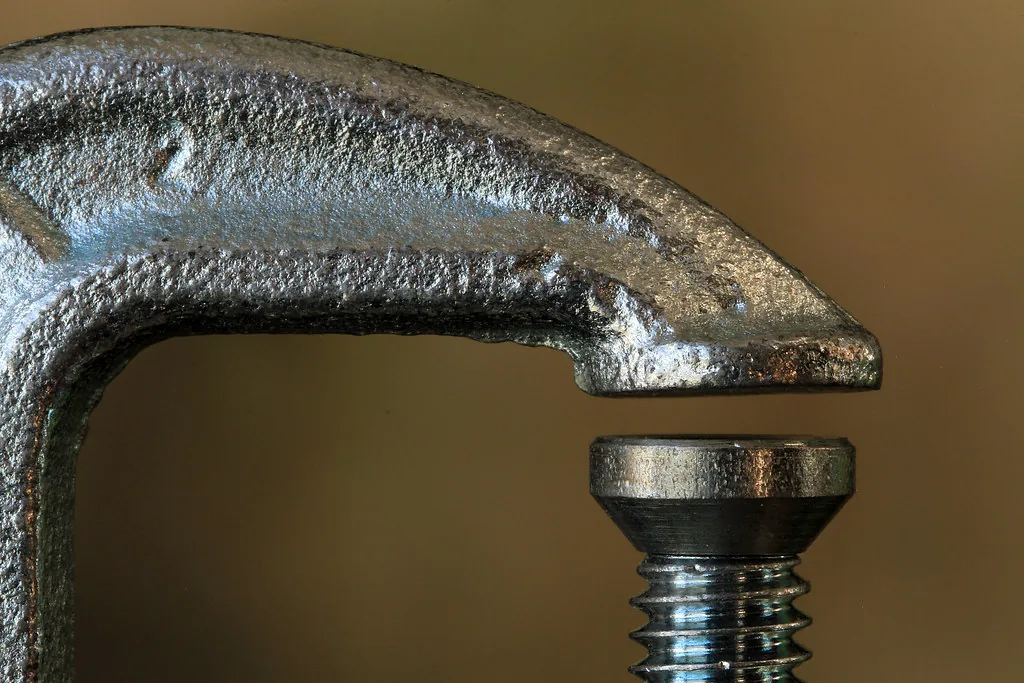
Clamps and presses are essential for joining parts securely and precisely. They hold the pieces in place while the glue dries. For more information about these devices, visit our dedicated forum.
| Tool | Type | Precision | Need |
|---|---|---|---|
| Honing guide | Manual | High | Essential |
| Clamps | Mechanical | High | Recommended |
| Cotton pad | Accessory | Standard | Required |
Every tool has a role in making a guitar. Choose your tools carefully to achieve excellent results.
Where and how to acquire your lutherie tools
Getting the right tools is an important step in lutherie. Whether you are a beginner or an experienced enthusiast, consider where you buy your tools and their quality.
Specialist sites for woodworking and lutherie tools
Specialist sites such as ftfi.fr and gaignard-millon.com offer quality tools, often designed for professionals. These platforms carry a wide range of products, from clamps to precision squares suited to complex joints.
How to choose the right quality for your budget
Compare reviews and check technical specifications. Lower-quality tools may perform poorly over time. Look for stable, sturdy, precise tools such as scrapers, as well as the guitar sides needed for finishing the instrument.
“A quality tool is an investment that pays for itself over time.”
| Site | Benefits | Price |
|---|---|---|
| ftfi.fr | Wide range, professional quality | Medium to high |
| gaignard-millon.com | Expert advice, customer service | High |
| bordet.fr | Versatile tools, fast delivery | Medium |
In short, choose tools that suit your needs and budget, and prioritize quality to avoid disappointment.
Conclusion
Making a musical instrument at home is an exciting challenge in which every tool plays an essential role. For excellent workmanship, choose tools suited to each stage, from cutting to finishing. Accurate angles, a quality scroll saw, and reliable measuring tools help you achieve professional results.
A well-equipped workshop improves precision and safety. Investing in quality tools, even for an amateur project, helps you make a successful instrument. Read additional guides to deepen your knowledge, and join communities of enthusiasts to share your experiences.
Work carefully, and do not hesitate to experiment gradually. Every project is an opportunity to improve your lutherie skills and create a unique instrument.
FAQ
What tools are essential for making a guitar?
How do I choose the right wood for a guitar?
Why is finishing important in lutherie?
What specialized tools do I need for fitting and assembly?
How do I choose the right guitar string gauge?
Which measuring tools are most useful in lutherie?
How should I maintain lutherie tools so they last?
What is the difference between a plane and a rasp?
How should I attach the guitar bridge for good sound transmission?
Source links
- https://luth.org/about-us/frequently-asked-questions/how-do-i-get-started/
- https://www.northampton.edu/business-and-community/community-education/fab-lab/intensive-guitar-course.html
- https://library.csun.edu/sca/peek-stacks/guitar-making
- https://www.southeastmn.edu/programs/guitar-repair-and-building/


