
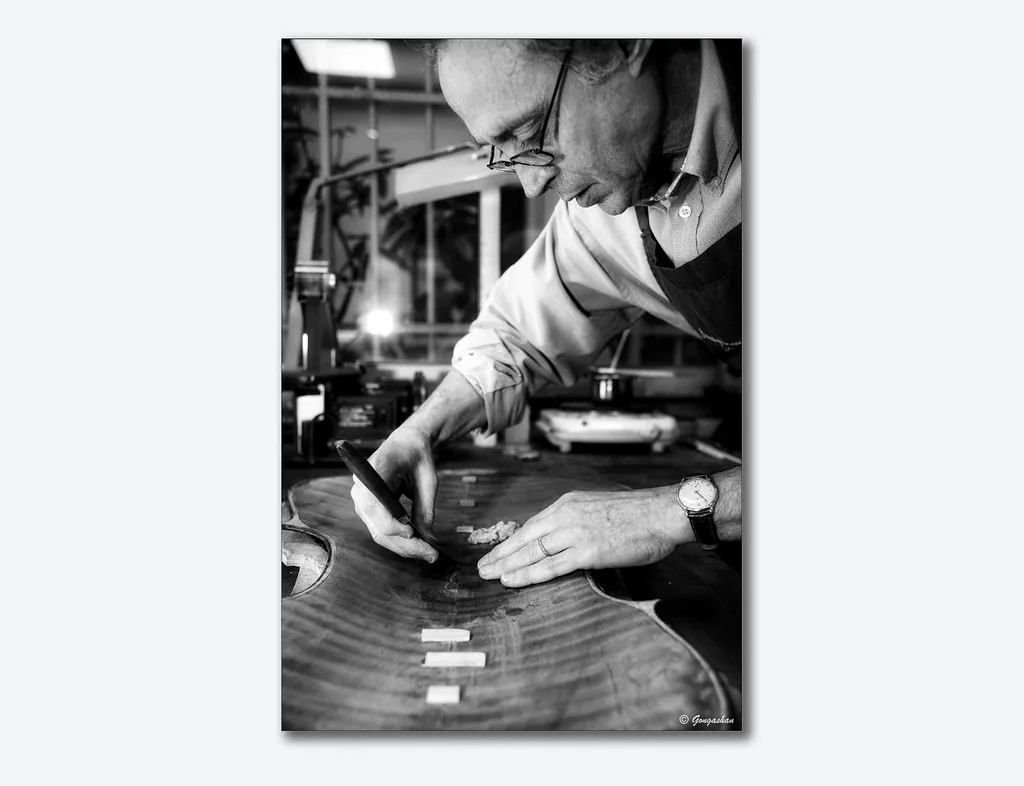
Lutherie, a craft combining passion and expertise, is rooted in outstanding training. Around the world, certain schools stand out for their traditions and the quality of their teaching. These institutions offer advanced training and a close connection with the profession.
Designed for people passionate about stringed instruments and music, these schools offer comprehensive programs. They combine time-honored techniques with modern innovations to train skilled craftspeople. Although demanding, lutherie offers promising career prospects for those who pursue it.
Passing on knowledge and respecting heritage are central to these programs. The schools selected for their excellence provide personalized guidance and high-quality materials and equipment. They prepare luthiers to meet contemporary challenges while preserving a recognized craft.
Introduction to the world of lutherie
Lutherie is a fascinating field that combines tradition and innovation. Although demanding, the craft brings great satisfaction to those who choose it as a career. A passion for music and stringed instruments lies at the heart of this work.
The luthier’s craft: passion and skilled workmanship
A luthier is a craftsperson who specializes in making, repairing and maintaining stringed instruments. The work requires considerable manual dexterity and a thorough knowledge of materials. A passion for music and instruments is essential to excelling in the field.
Why specialized training matters
Specialized training is essential for mastering traditional techniques and technological innovations. Courses at lutherie schools cover instrument making as well as repair and maintenance. They help students develop the skills needed to work in this highly technical field.
| Aspect | Tradition | Innovation |
|---|---|---|
| Materials | Wood selected for its acoustic qualities | New materials, such as carbon fiber |
| Techniques | Time-honored construction methods | Use of digital technologies |
| Teaching | Passing on traditional craft skills | Integrating modern tools |
Training at a lutherie school helps students acquire the skills needed to become capable luthiers. Courses are often supplemented by practical placements, making it easier to enter the profession. For more information about available programs, you can visit this site.
Schools and the programs they offer
Lutherie training balances tradition and innovation. The selected schools offer comprehensive programs that combine time-honored skills with modern technologies. Well established in their regions, these institutions offer qualifications and valuable partnerships.
École nationale de lutherie in Quebec: a distinctive learning environment
Located in Quebec, the École nationale de lutherie has a partnership with Cégep Limoilou. Students have access to modern workshops and comprehensive services, from admissions to student life. The school stands out for its innovative teaching approach and personalized support.
Lutherie-Guitare Bruand at Cégep Édouard Montpetit
Cégep Édouard Montpetit, in collaboration with the Institut des métiers d’art, offers training in guitar making. Internationally recognized, the program enables students to master techniques for making and repairing stringed instruments.
France’s École nationale de lutherie: excellence in Mirecourt
In France, the École nationale de lutherie in Mirecourt offers tuition-free training funded by the Ministry of National Education. Students can earn qualifications ranging from the CAP to the DMA, giving them a comprehensive, recognized education.
| School | Training | Partner | Qualification |
|---|---|---|---|
| École nationale de lutherie in Quebec | Qualification program | Cégep Limoilou | CAP, DMA |
| Lutherie-Guitare Bruand | College-level program | Cégep Édouard Montpetit | Lutherie diploma |
| École nationale de lutherie in France | Tuition-free training | Ministry of Education | CAP, DMA |
To learn more about these programs, you can visit the following sites: ITEMM and Lutherie-Musique.
Comparison: the best lutherie schools for becoming a professional luthier
Choosing a lutherie school directly affects the quality of your training and your career prospects. Each institution has its own teaching methods and admission criteria, with paths suited to different ambitions.
Teaching approaches and passing on craft skills
Teaching approaches differ among schools and combine tradition with innovation. The École nationale de lutherie in Quebec emphasizes modern workshops and personalized guidance, while Lutherie-Guitare Bruand in Montreal favors intensive practical learning. In France, the École nationale de lutherie in Mirecourt incorporates advanced digital tools while preserving time-honored techniques.
- École nationale de lutherie in Quebec: modernizing traditional craft techniques
- Lutherie-Guitare Bruand: emphasis on practice and creativity
- École nationale de lutherie in France: a balance between tradition and technology
Admission criteria and qualification paths
Admission criteria are strict and vary by institution. In France, a baccalaureate is often required, while admission requirements in Quebec may be more flexible. The available paths include qualifications ranging from the CAP to the DMA and offer future luthiers a clear progression.
- École nationale de lutherie in Quebec: accessible admissions and personalized guidance
- Lutherie-Guitare Bruand: selection based on an application and interview
- École nationale de lutherie in France: high academic requirements
The practical side of learning lutherie
Learning lutherie depends on high-quality facilities, which are essential for training skilled craftspeople. Modern workshops, materials and equipment play a key role in developing technical and artistic skills.
Facilities and modern workshops
Lutherie schools, particularly those in Quebec and Mirecourt, have workshops equipped with laser cutters and machine rooms. This equipment helps students master techniques for making and repairing stringed instruments.
| Aspect | Quebec | Mirecourt |
|---|---|---|
| Materials | Stocks of different wood species | Use of selected woods |
| Equipment | Laser cutters | Advanced digital tools |
| Resources | Documentation centers | Ergonomic workspaces |
Modern facilities create a working environment that encourages innovation and creativity. Students have access to comprehensive resources, including spaces to relax, which contribute to a balanced learning experience.
How training shapes a luthier’s career
Training plays a central role in a luthier’s professional development. It helps students acquire technical skills and build professional connections.
Developing technical and craft skills
Quality training teaches students to master making and repair techniques. Courses emphasize the use of fine materials and careful finishing.
Practical workshops strengthen these skills and enable future luthiers to create high-quality stringed instruments.
Professional networks and career opportunities
Lutherie schools help students connect with professionals in the field. Partnerships with renowned luthiers open up opportunities for placements and employment.
Graduates also benefit from an active network that helps them enter the job market.
| School | Training | Partners |
|---|---|---|
| École nationale de lutherie in Quebec | Qualification program | Cégep Limoilou |
| Lutherie-Guitare Bruand | College-level program | Cégep Édouard Montpetit |
| École nationale de lutherie in France | Tuition-free training | Ministry of Education |
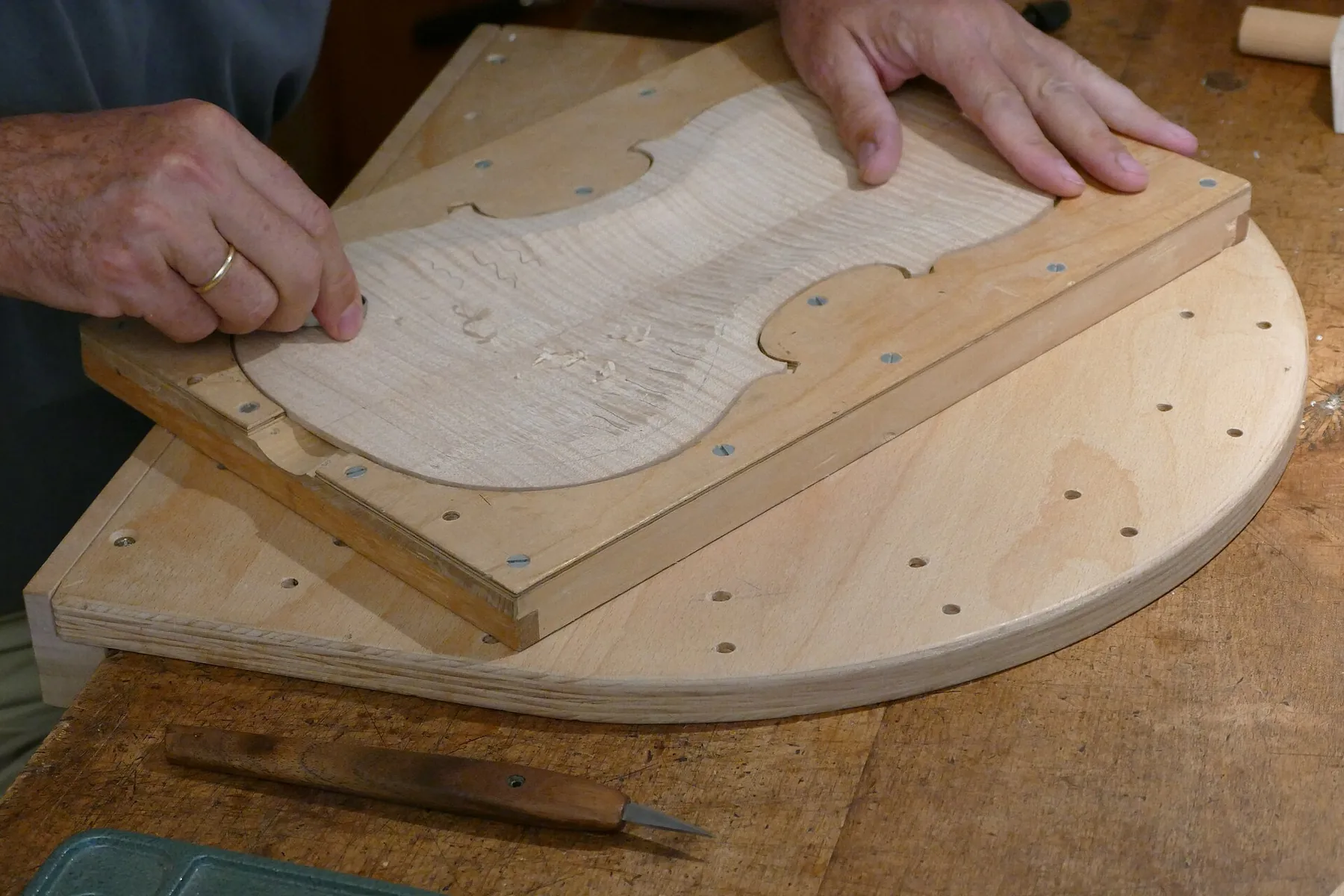
Conclusion
Lutherie is an art combining technique and passion at the heart of a demanding but rewarding profession. The schools presented in this article offer quality programs that bring together tradition and innovation to train skilled craftspeople.
Each institution has its own approach: the École nationale de lutherie in Quebec emphasizes modern workshops, while Lutherie-Guitare Bruand in Montreal favors intensive practical learning. In France, the École nationale de lutherie in Mirecourt incorporates advanced digital tools while preserving time-honored techniques.
Practical experience, courses and workshop time are crucial to becoming a capable luthier. A qualification, combined with a natural passion and quality training, opens the door to a rewarding career.
We encourage anyone dreaming of a career in lutherie to explore these paths. These programs can launch a career that brings together art, technique and passion. To learn more about available training, you can follow this link.


