
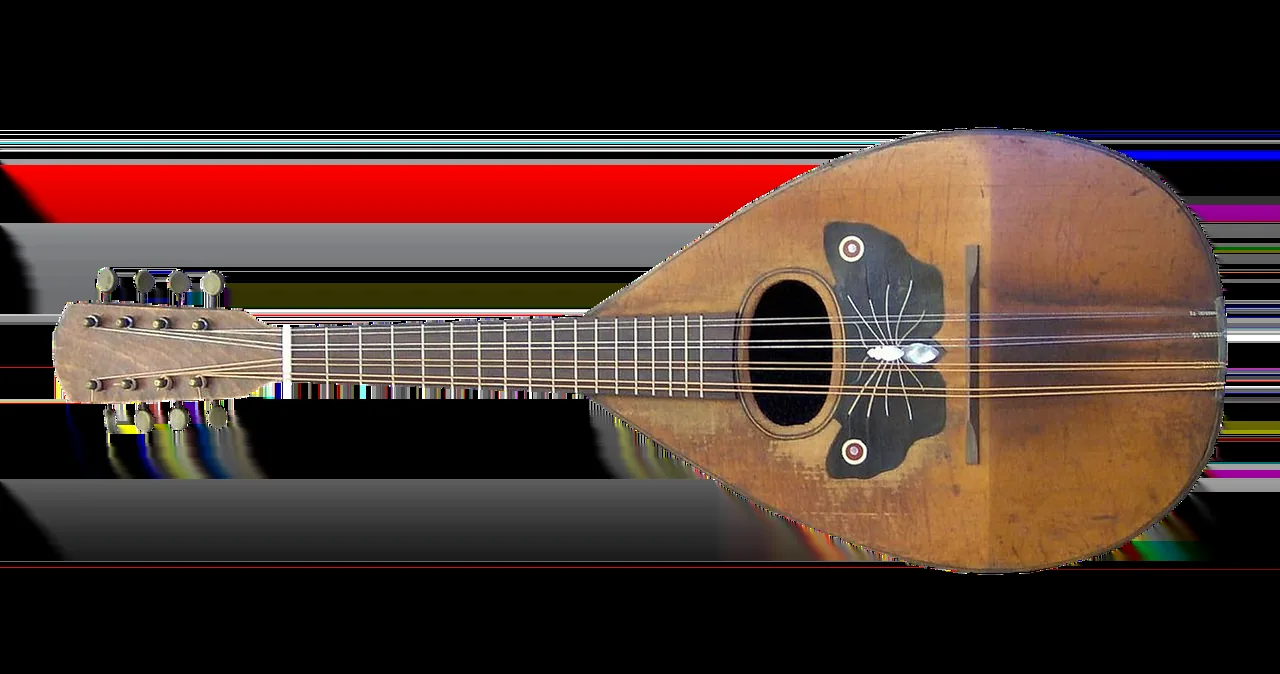
The Lutherie Fair is a major event dedicated to the art of making musical instruments. Held from November 10 to 12 at Espace Flambeau in Mirecourt, it brings together more than fifty dedicated professionals.
Imagine a place where music and craftsmanship meet. Outstanding concerts, technical exhibitions, and craft demonstrations await you. It is an opportunity to discover unique instruments shaped by skilled hands.
The fair showcases renowned luthiers such as Jürg Leibacher and Yves-Antoine Gachet. Learn more about this event and join a community of enthusiasts celebrating this craft.
Introduction to the world of lutherie
Lutherie is a centuries-old craft distinguished by a wealth of knowledge passed down through generations. In lutherie workshops, craftspeople create unique musical instruments with dedication, preserving a valuable cultural heritage.
- Lutherie workshops are much more than workplaces: they are spaces where craft skills are passed on.
- Specialized training is essential to master this craft; it is often gained from experienced master craftspeople.
- Courses and apprenticeships play a key role in luthiers’ professional development.
Daily life in these workshops is marked by precision and passion. Each instrument is the result of meticulous work in which every detail matters.
The apprenticeships and training programs offered in these workshops help craftspeople master traditional techniques and develop new ones. In these places steeped in history, future makers build their skills and carry this age-old craft forward.
Historical roots and French traditions
The history of French lutherie spans centuries of craftsmanship. From its beginnings, the craft has combined tradition and innovation to create unique instruments.
The origins of lutherie
The earliest evidence of lutherie dates back several centuries. Master craftspeople developed techniques that have endured through the ages. The first specialized schools helped give structure to this training.
Passing on craft skills
Knowledge passed from one generation to the next is central to lutherie. In workshops steeped in history, masters share their expertise. Schools such as the one in Mirecourt preserve these traditional methods.
Craft traditions remain essential. Each instrument, the result of meticulous work, reflects a valuable cultural heritage. Figures such as Jürg Leibacher illustrate how this heritage continues.
Lutherie fairs: must-see events in France
Every year, the Lutherie Fair is a major gathering for lovers of stringed instruments. Held in the Mirecourt area, it celebrates craftsmanship and music.
Event overview
The fair offers a varied program of concerts, demonstrations, and meetings with renowned luthiers. Its four concerts cover musical genres from classical to contemporary.
Technical demonstrations let visitors discover how instruments are made and highlight the makers’ expertise.
Key dates and venues
The event takes place from November 10 to 12 at Espace Flambeau in Mirecourt. Located in the heart of the area, the venue is well suited to this major gathering.
Opéra Comédie is another key venue, adding a further cultural dimension to the fair.
| Date | Venue | Activities |
|---|---|---|
| November 10 | Espace Flambeau | Opening concerts, demonstrations |
| November 11 | Opéra Comédie | Masterclasses, meetings with luthiers |
| November 12 | Espace Flambeau | Closing concerts, awards ceremony |
The fair is a must-see gathering for music lovers and craft enthusiasts, offering an immersive introduction to the world of lutherie.
Meetings and instrument-making workshops
Hands-on workshops and technical demonstrations are central to the experience offered by the Lutherie Fair. These gatherings bring enthusiasts closer to craftspeople and reveal how stringed instruments are made.
Hands-on workshops and demonstrations
Hands-on workshops give participants a chance to use tools and materials under the guidance of experienced professionals. These sessions explain the key stages of making an instrument, from choosing materials to final assembly.
Courses and training for enthusiasts
The courses and training sessions offered during the fair are an opportunity to deepen your knowledge. Led by renowned luthiers, these workshops cover subjects ranging from basic techniques to more advanced methods. Participants can develop specialized skills while sharing their enthusiasm with fellow music lovers.
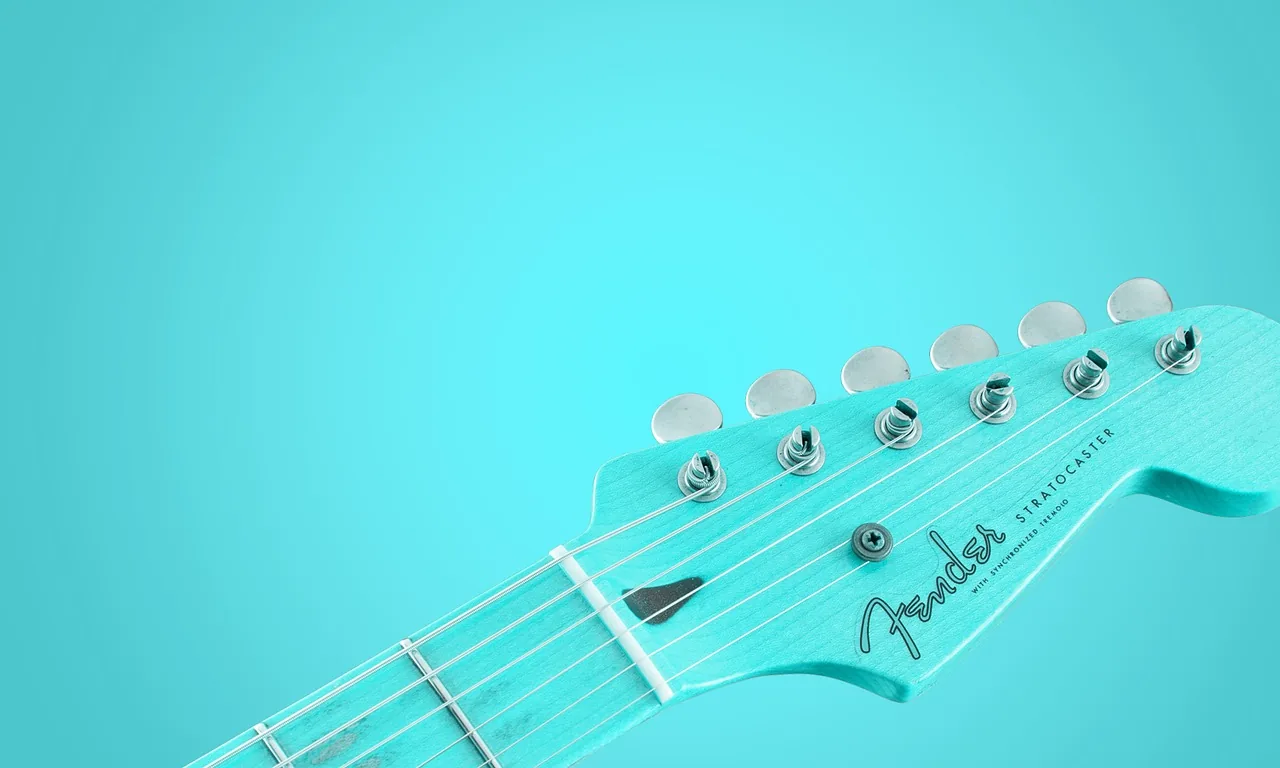
Passion is at the heart of these gatherings. Conversations between professionals and enthusiasts create a welcoming and rewarding atmosphere. Many exhibitors and craftspeople emphasize the value of these exchanges, which spark creativity and strengthen the community.
Leading figures in lutherie and bow making
Behind every instrument is a skilled craftsperson driven by passion. These makers are ambassadors for their craft and have left their mark on music history.
Profiles of renowned luthiers
With more than 31 years of experience, Jürg Leibacher is a master luthier. He has made more than 100 instruments, including 50 violins, 20 violas, and 15 cellos. His dedication to precision and innovation has produced distinctive instruments.
With more than 15 years of experience, Yves-Antoine Gachet is known for his innovative working methods. He has made approximately 15 double basses, each reflecting his commitment to excellent craftsmanship.
Contributions from bow makers and restorers
After eight years in lutherie, Catherine Baroin specialized in bow making. She combines tradition and innovation to create bows suited to the needs of today’s musicians.
With several decades of experience, Jean-Claude Condi is a renowned restorer. He has restored rare instruments, preserving musical treasures for future generations.
Concerts and musical performances
The Lutherie Fair is much more than an instrument exhibition. It is a place where music comes alive through concerts and distinctive performances. Each year, renowned musicians gather to offer memorable listening experiences.
Featured musical genres
Jazz, in particular, has a prominent place in these concerts. Its rich melodies and compelling improvisations attract a diverse audience. These performances showcase both the musicians’ expertise and the quality of handmade instruments.
| Date | Concert | Artists |
|---|---|---|
| November 10 | Opening concert | Yanns, L5 |
| November 11 | Jazz masterclass | Willy Denzey |
| November 12 | Closing concert | Tribal King |
Free concerts, such as those presented by Génération Boys Band, offer a deep dive into the world of guitars and lutherie. Musicians share their experiences and stories, forging a close connection with the audience.
To learn more about these musical events, you can contact us for further details about scheduled concerts and other activities.
Exhibitions and technical demonstrations
Exhibitions and technical demonstrations offer a chance to discover recent advances in stringed-instrument making. They highlight modern approaches to traditional techniques and broaden visitors’ understanding of the artistic and technical possibilities.
Innovations in instrument making
Innovation is central to the technical demonstrations. Craftspeople present modern design methods that combine tradition with new approaches. Technologies such as 3D modeling make it possible to create complex prototypes with unprecedented precision. These advances are transforming the manufacturing process and enabling makers to produce more sophisticated instruments suited to today’s musicians.
Careful measurement and the development of new methods are essential. Craftspeople use advanced tools to refine every stage, from material selection to final assembly. These technological advances are presented in interactive demonstrations that help visitors understand how the profession is changing.
Restoring exceptional instruments
The restoration of rare instruments is another featured subject. Craftspeople show how they preserve older instruments while respecting their heritage and incorporating modern elements. Meticulous measurement and considerable expertise are needed to restore these musical treasures and pass them on to future generations.
For example, restoring a nineteenth-century violin requires a thorough analysis of its structure and materials. The techniques combine traditional methods with contemporary tools to balance authenticity and durability.
These technical demonstrations offer a chance to discover the secrets of instrument making and restoration. They highlight the ingenuity of craftspeople and their ability to innovate while respecting tradition.
Regional centers of lutherie
France has many regional centers specializing in stringed instruments. Mirecourt, Nancy, and other cities stand out for their expertise in working with wood and traditional techniques.
“The quality of the wood is essential to creating exceptional stringed instruments.”
Craftspeople in these regions use traditional methods to select and work wood, giving their instruments a distinctive identity. For example, Mirecourt luthiers are known for their command of plucked-string techniques, which demand great precision.
| Region | Specialty | Example workshop |
|---|---|---|
| Mirecourt | Violin making | Leibacher Workshop |
| Nancy | Guitar making | Gachet Workshop |
| Issoudun | Plucked-string instruments | Baroin Workshop |
Each region contributes its own character, making the stringed instruments produced in France distinctive. These regional centers help preserve traditional skills while encouraging innovation in lutherie.
A closer look at classical and electric guitars
Guitars occupy a central place in lutherie, whether classical or electric. Born of long-established skills, these instruments continue to captivate musicians and enthusiasts around the world.
Handmade instruments and custom models
French luthiers such as Simon Burgun are known for their expertise in custom making. Each guitar draws on specific craft techniques that combine tradition and innovation. Fine materials and precise woodworking create instruments that are both beautiful and rich in sound.
Making a classical or electric guitar begins with carefully selecting the wood. Luthiers consider both the appearance and acoustic qualities of each piece. For example, choosing a spruce soundboard or a mahogany back can profoundly affect the instrument’s final tone.
Specialist workshops, including those in Mirecourt and Nancy, offer personalized models that meet musicians’ specific needs. These distinctive creations, from custom instruments to limited series, show the range of styles and design innovations in the field.
Luthiers exhibiting at the Lutherie Fair often share fascinating accounts of their creative process. For example, Simon Burgun explains how he uses modern techniques such as 3D modeling to design complex prototypes. These innovations push the boundaries of guitar making while respecting tradition.
Classical and electric guitars remain symbols of French craftsmanship. Regional workshops draw on their distinctive skills to make instruments that inspire musicians worldwide.
Lutherie and French cultural heritage
Lutherie occupies an important place in French cultural heritage. It is an age-old craft in which tradition and innovation meet. This knowledge, passed down through generations, is a pillar of France’s artistic identity.
Preserving traditional knowledge
Preserving traditional techniques is essential to protecting this heritage. Luthiers, custodians of this artisanal craft, combine time-honored methods with modern innovations to create instruments of exceptional quality.
The pursuit of quality and artistry at every stage of production is crucial. Each instrument, the result of meticulous work, reflects a commitment to excellent craftsmanship. This pursuit of perfection has helped French lutherie gain international recognition.
| Region | Specialty | Example workshop |
|---|---|---|
| Mirecourt | Violin making | Leibacher Workshop |
| Nancy | Guitar making | Gachet Workshop |
| Issoudun | Plucked-string instruments | Baroin Workshop |
Supported by a rich heritage, these workshops continue the art of lutherie and produce distinctive instruments that inspire musicians around the world.
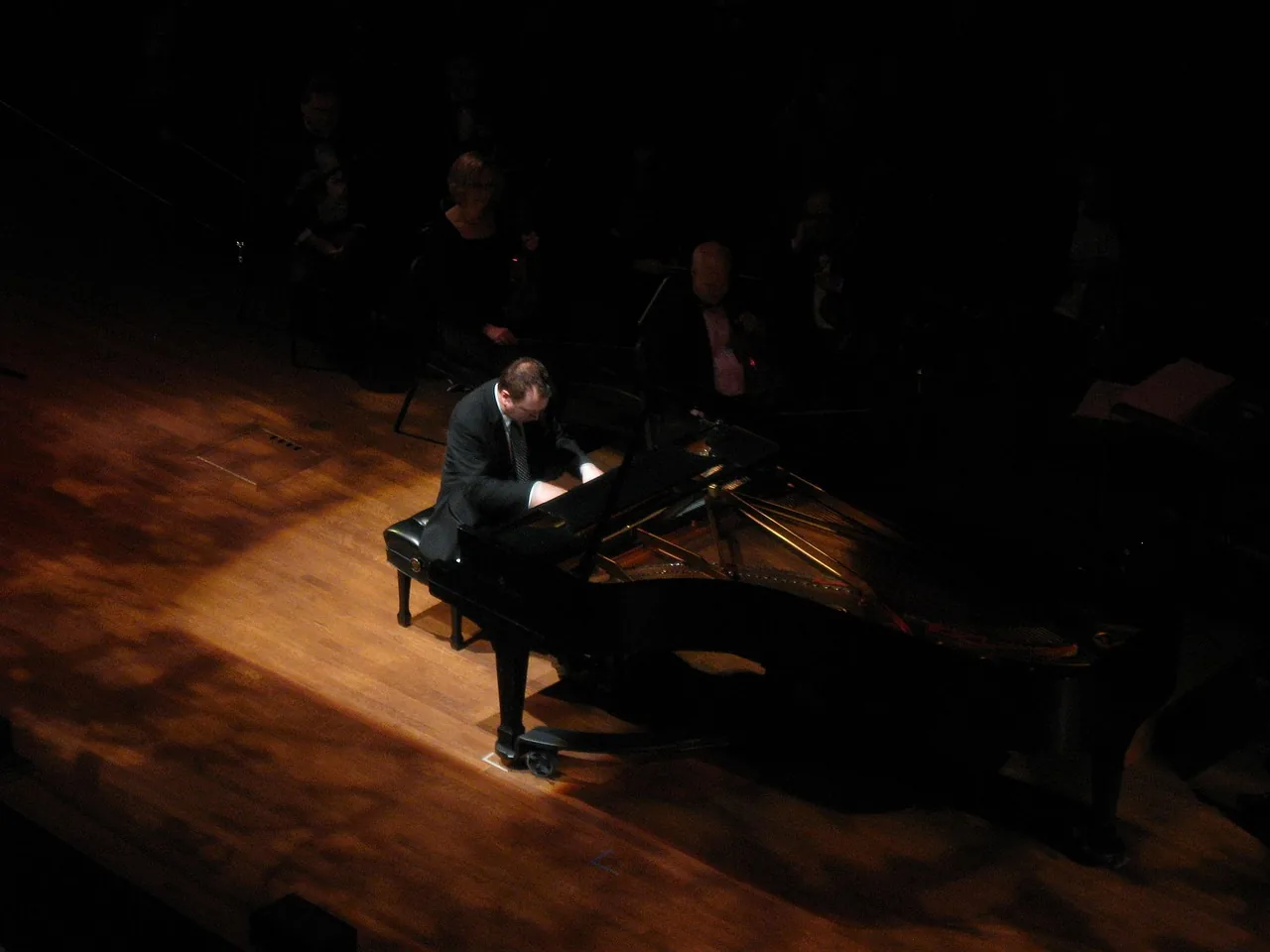
Collaborations between luthiers and musicians
Collaboration between luthiers and musicians is central to music making. More than chance encounters, these partnerships result in distinctive instruments tailored to artists’ needs.
Artistic and technical partnerships
Luthiers work closely with musicians to understand what they want. This cooperation allows them to make custom instruments that combine technical performance with visual appeal. For example, a violinist might request a particular soundboard to achieve a more powerful sound.
Repair and maintenance are also key parts of these collaborations. Luthiers restore rare pieces and help ensure their longevity. This technical work strengthens the relationship between maker and musician.
Professionals’ accounts highlight this cooperation. “Working with musicians is essential. It allows us to push the boundaries of our craft and create instruments that meet their changing needs,” explains renowned luthier Jürg Leibacher.
These collaborations encourage innovation while respecting tradition. They bring instruments to life that inspire musicians and enrich the musical repertoire.
Special features on stringed instruments
Among stringed instruments, some models stand out for their distinctive character and exceptional quality. These pieces are works of art that reflect remarkable craftsmanship.
Works of art and one-of-a-kind pieces
High-end musical instruments are often custom creations made to exacting standards of design and performance. For example, the Floyd Rose model, known for its tuning stability, is sought after by many professional musicians. With a reported 95% success rate in tests, it is presented as an example of innovation and quality.
Luthiers carefully select fine materials, such as spruce or mahogany, to make musical instruments with exceptional acoustic properties. Each model is the result of meticulous work, with every detail contributing to an outstanding listening experience.
| Model | Description | Features |
|---|---|---|
| Floyd Rose Original | Designed for exceptional tuning stability | Reported 95% success rate, ideal for solos |
| Vigier | Guitar with an innovative vibrato system | Reported 20% greater stability than traditional models |
| Custom model | A unique creation for each musician | Fully customized, with materials selected for specific needs |
High-end musical instruments are works of art as well as tools for musicians. Their elegance and rich sound reveal their visual and artistic qualities, making them prized pieces on any musical stage.
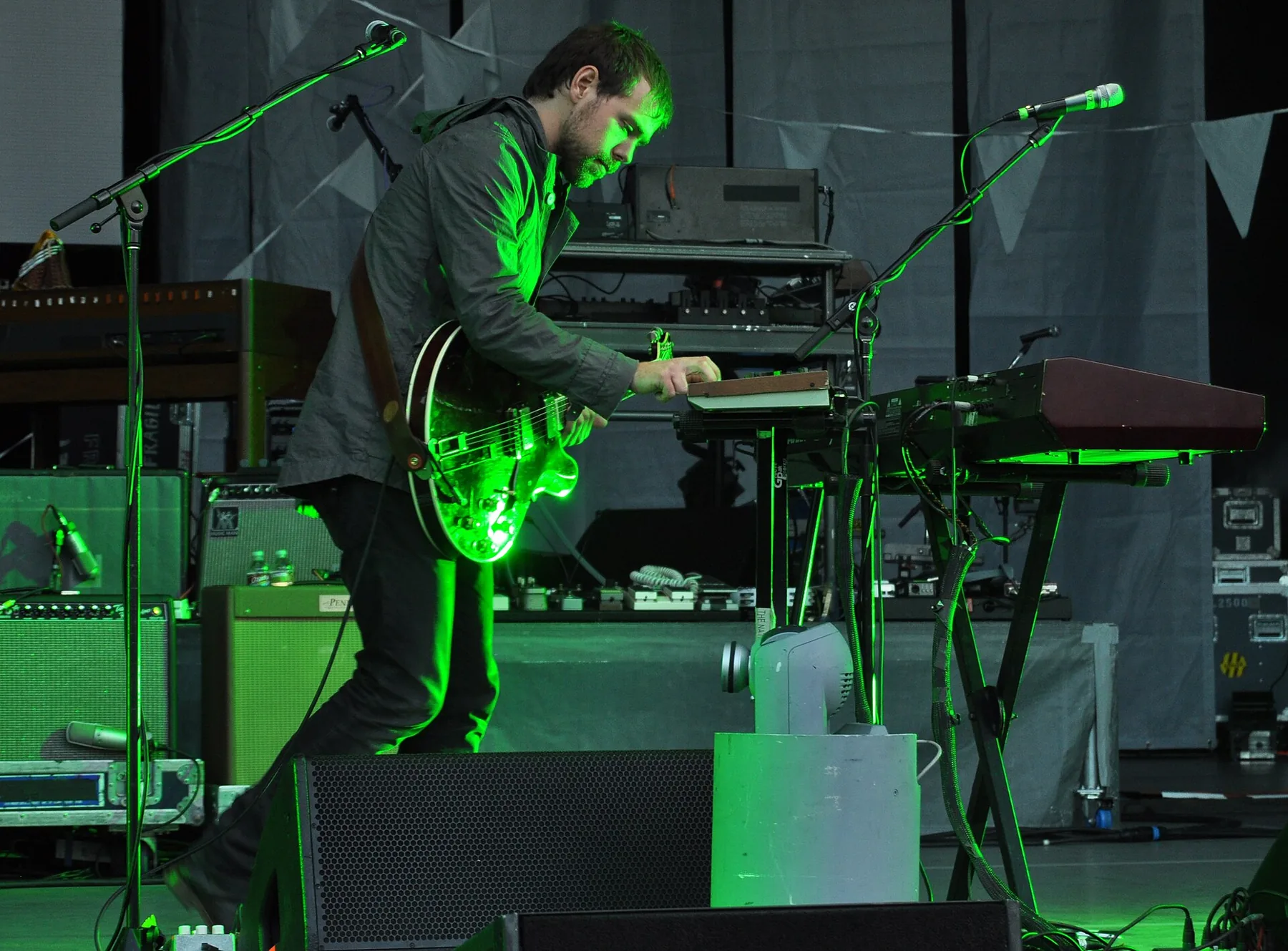
Training and apprenticeships in lutherie
Training in lutherie offers a varied path toward becoming a skilled craftsperson. Programs in France range from introductory courses to advanced training.
Programs and specialist schools
Lutherie schools, such as the one in Mirecourt, are recognized for their excellence. They offer practical and theoretical training that helps apprentices master traditional and contemporary techniques.
- Training covers the making of stringed instruments, including the bass, and includes workshop placements.
- Specialist programs emphasize learning about the bass and other instruments, which is essential to a broad understanding of the craft.
The variety of paths allows future luthiers to choose from different ranges of training, from custom instrument making to the restoration of older instruments.
Many renowned professionals, such as Jürg Leibacher, have completed this training. Their success reflects the quality of the programs offered.
To deepen your knowledge, you can consult this resource on lutherie training.
Technological innovations and contemporary design
The meeting of tradition and modernity is central to the development of stringed instruments. Recent technological innovations, such as 3D modeling and the use of fine materials, are changing the manufacturing process while respecting established methods.
The impact of new technologies
Modern technologies such as 3D modeling allow luthiers to create complex prototypes with unprecedented precision. The classical guitar, for example, now benefits from more sophisticated designs while retaining its characteristic sound.
Stainless-steel strings, for example, offer greater durability and resistance to corrosion without compromising sound quality. Such material innovations meet the needs of today’s musicians while honoring craft traditions.
Modernizing manufacturing methods
Modern manufacturing techniques complement traditional knowledge. Luthiers now use advanced tools to improve every stage, from material selection to final assembly. These technological advances are presented in interactive demonstrations that help visitors understand how the profession is changing.
For example, restoring a nineteenth-century violin requires a thorough analysis of its structure and materials. The techniques combine traditional methods with contemporary tools to balance authenticity and durability.

Instruments that combine tradition and modernity
Some classical guitars now incorporate modern features, such as stainless-steel strings or built-in preamplification systems. These innovations make it possible to create versatile instruments suited to today’s musicians.
Luthiers exhibiting at the Lutherie Fair often share fascinating accounts of their creative process. For example, Simon Burgun explains how he uses modern techniques such as 3D modeling to design complex prototypes. These innovations push the boundaries of guitar making while respecting tradition.
Stainless-steel strings, for example, offer greater durability and resistance to corrosion without compromising sound quality. Such material innovations meet the needs of today’s musicians while honoring craft traditions.
To learn more, you can explore this exhibition devoted to innovations in lutherie.
International exhibitors and partners
Each year, the Lutherie Fair welcomes many exhibitors and partners from around the world. These collaborations enrich the event by showcasing instruments of exceptional quality, particularly classical guitars and other stringed instruments.
Brands and workshops to watch
Well-known brands such as Fender, Ibanez, Selmer, Buffet Crampon, Roland, and Yamaha are present and offer a full range of instruments. French workshops, including those in Mirecourt, stand out for their custom-making expertise. These encounters let visitors discover distinctive creations that combine tradition and innovation.
International collaborations play a key role in innovation. They encourage the exchange of techniques and materials, leading to instruments suited to current needs. For example, Chinese luthiers, whose output is estimated at more than one million violins a year, bring an industrial dimension that complements European craft methods.
These partnerships increase the visibility of products and support high quality standards. International exhibitors, such as those at Music China in Shanghai, with more than 1,800 stands, show the scale of these exchanges. Such collaborations inspire musicians and craftspeople and stimulate creativity in lutherie.
Conclusion
Lutherie is an age-old craft that combines tradition and innovation and forms a distinctive cultural heritage. Dedicated luthiers make stringed instruments of exceptional quality. Events such as the Lutherie Fair celebrate this craft by bringing professionals and enthusiasts together to share skills and innovations.
Training and apprenticeships play a key role in passing on the craft. Regional workshops, including those in Mirecourt, preserve traditional techniques while incorporating modern methods. These gatherings encourage the exchange of ideas and innovation, both essential to the development of lutherie.
Whether you are a musician or simply curious, these events offer a chance to discover unique instruments and meet dedicated craftspeople. The art of lutherie, poised between tradition and modernity, continues to inspire and bring together enthusiasts from around the world.


