The market has changed. Today, getting a handpan is easier, but the abundance of options increases the risk of disappointment: unstable tuning, poor finishes or misleading copies.
This buying guide has a clear aim: to help you choose the right sales channel — maker, shop, specialist website or secondhand seller — for your budget, experience and intended use.
What’s covered: 2025 price benchmarks, quality checks and checklists to help you avoid scams. The method is simple: listen to recordings through headphones, check the seller’s details and compare more than just prices.
We also explain where to try an instrument in France, how to arrange safe delivery, and what to expect from after-sales service and warranties. Follow these tips to make a confident decision.
Understanding today’s handpan market in France
This change reflects both rising demand and the growing number of makers worldwide. In 2001, the market centred on PANArt’s Hang, and buyers often waited years. Since then, more makers and sales channels have made the instrument easier to obtain.
In France, that means more choice and better availability. Take care: the wider range also brings substantial differences in quality.
Popularity has created grey areas: resellers with little expertise, mass-produced instruments taking advantage of demand, and offers that look too good to be true. Typical signs of an opportunistic seller include:
- an unclear or undocumented origin;
- no recordings of the exact instrument offered;
- vague promises and no after-sales service.
An essential reminder: quality, reputation and price do not necessarily go together. A high price guarantees neither accurate tuning nor durability.
Before any purchase, check at least three sources: recordings of the instrument, community feedback and factual information about it. With that context in place, here are some 2025 price benchmarks.
Handpan prices in 2025: reliable benchmarks to avoid overpaying
Prices change quickly; here are clear benchmarks for 2025. 90% of instruments cost between €1,200 and €2,500 in France.
Realistic price ranges
- 7 notes: approximately €990 to €1,500
- 9 notes: approximately €1,500 to €2,500
- High-end models: often > €3,500
What raises the price
Handcrafted production takes 40 to 80 hours of work. Hand tuning, consistent harmonics and the treatment of materials such as nitrided steel or stainless steel have a strong effect on cost.
Be cautious with offers below €1,200
These offers call for closer inspection: tuning may be unstable, the instrument may not hold up well over time, and the finish may be poor.
“If the price seems unusual, ask for a recording of the exact instrument, information about its maker and the after-sales terms.”
| Criterion | Good benchmark | Warning sign |
|---|---|---|
| Tuning stability | Stable for 6 to 12 months | Out of tune after a few days |
| Balance between notes | Consistent harmonics | Hollow notes or unwanted noise |
| Sustain & timbre | Even sustain | Uneven decay |

If the price seems too low or too high, ask for evidence. Once you have set your budget, choose the scale and number of notes that suit your needs.
Define your needs before buying: notes, scales and intended use
To choose the right combination of notes and scale, start by defining your musical goal.
Do you want to play for relaxation, compose, accompany singers, improvise or perform on stage? Your answer will guide the rest of your choice.
Choose a scale that inspires you
Major: clear and bright. Minor: more intimate and melancholy. Eastern scales add an exotic touch. Jazzy/bluesy models encourage improvisation, while Celtic sounds suit folk settings.
Low or high register: how it affects playing
A low register gives a strong presence and deep resonance. A high register allows more delicacy under the fingers and is better suited to fast melodies.
Number of notes and room to grow
Avoid too few notes if you intend to develop your playing; avoid an overcrowded model if you are a beginner looking for intuitive play.
| Goal | Suggested scales | Typical number of notes |
|---|---|---|
| Relaxation / meditation | Major, minor, Eastern | 7 to 9 |
| Composition / stage performance | Jazzy/bluesy, major | 9 to 11 |
| Improvisation / duet | Eastern, Celtic | 8 to 10 |
A simple method: listen to 20 to 30 recordings through headphones, note your three favourite scales and write down their notes so you can discuss them with a maker. Once you have made your choice, move on to measurable quality criteria.
To explore how similar instruments sound and compare, see this comparison as well.
Quality criteria to check on a handpan
Judge quality first by listening and inspecting: here is what to check before deciding.
Balance between notes
Look for stable pitch: every note should be in tune and respond easily.
The dynamics should be even: no note should be so quiet or loud that it unbalances the instrument.
A well-balanced instrument is less likely to sound out of tune when played with other musicians and is easier to play.
Sustain, timbre and harmonics: listen through headphones
Listen to recordings through headphones to assess the consistency of the sustain, the clarity of the timbre and the definition of the harmonics.
Check for unwanted metallic vibrations and whether the sound remains stable after repeated strikes.
“Uneven sustain, beating or rattling metal sounds are all warning signs.”
Materials and treatments
Nitrided steel: valued for how well it holds up over time and its increased resistance to moisture.
Stainless steel: a good choice if corrosion concerns you; it often lasts longer without additional treatment.
Finishes and treatments affect tuning stability. Good treatment reduces the need for retuning.
- Signs of poor quality: wavering notes, short sustain, unpleasant beating and dead spots.
- Care: oil, storage conditions and temperature affect stability; allow €100 to €200 for retuning if needed.
- What to check in recordings: clean audio, a list of notes, a close-up of the surface and repeated strikes.
These quality criteria will also help you choose where to buy. To assess lower-priced offers, read this guide to affordable handpans.
Where to buy a handpan: what you need to know to avoid unpleasant surprises
To find a dependable instrument, start by choosing a sales channel that suits you. Experienced musician, beginner or seeker of rare models: each option has strengths and limitations.
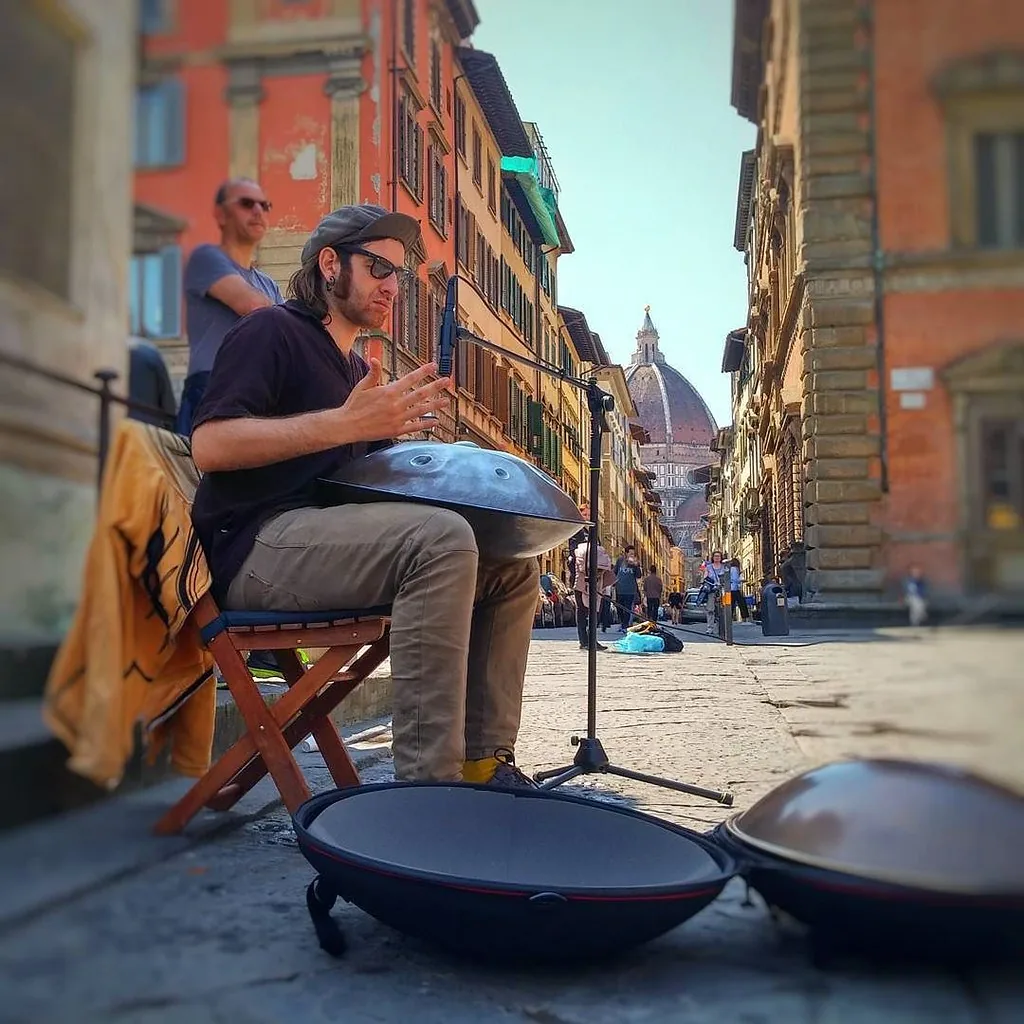
Makers, shops, specialist websites or secondhand sellers: which should you choose?
Makers: traceability and customisation options. Ideal if you want to follow production and discuss after-sales terms.
Shops: hands-on trials and direct advice. A good way to test the timbre before buying.
Specialist websites: broad selections and comparison recordings. Check their legal information and warranties.
Secondhand: often lower prices. This option requires careful inspection and, if possible, a hands-on trial.
A useful habit
- Compare what you hear with community feedback, such as that from French Handpan Connection, and the seller’s information.
- Shortlist 3 to 5 sellers or makers, then request a recording of the exact instrument and their after-sales and returns terms.
- Consult directories such as MasterTheHandpan and resale groups such as Swap and Sale, without treating them as a guarantee.
To read customer feedback before deciding, also see Zenapan reviews.
Buying a handpan directly from a maker
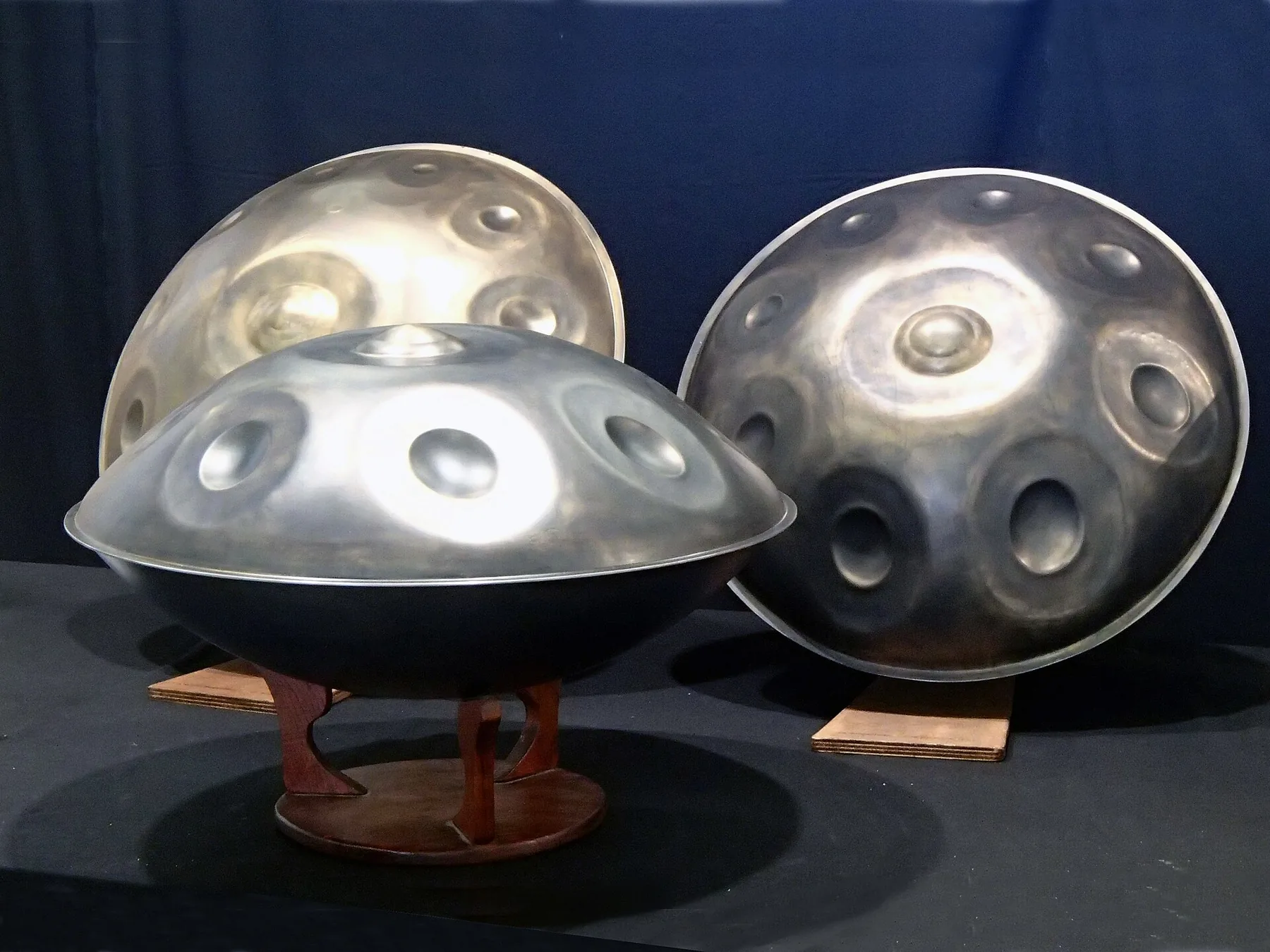
Buying directly from a maker offers a level of transparency that can be hard to find elsewhere. Direct contact clarifies an instrument’s origin and lets you discuss its scale, materials and finish.
Why this is often a safer choice
The relationship between maker and customer makes after-sales follow-up easier and allows precise measurements for genuine customisation.
The production process is documented, and the maker can explain the treatments, the choice between nitrided and stainless steel, and the time needed for the instrument to stabilise.
Questions to ask before ordering
- What is the actual lead time, and is there a waiting list?
- What customisation options and note measurements are available?
- What material is used, and what are the warranty and service terms?
- What is the policy for returns or repairs?
How makers sell and how to buy carefully
Makers sell through waiting lists, closed order lists or limited releases. Do not rush: compare 2 or 3 makers, request a recording of the exact instrument and get the price, lead time and after-sales terms in writing.
| Sales method | Risks | Good practice |
|---|---|---|
| Waiting list | Long wait | Get written confirmation of the lead time |
| Closed order list | Unpredictable reopening | Sign up for notifications |
| Limited release | Impulse purchase | Decide what you want in advance and check the seller’s evidence |
Ideal scenario: an instrument that is ready, a recording of that exact instrument and payment when it ships.
Well-known examples include Metal Sounds (France), Ayasa (Italy) and Pantheon Steel (Germany). Their reputations help, but you should still check the details.
Buying a handpan in a music shop in France
Nothing replaces trying an instrument in person to feel its resonance and make a confident choice.
A major advantage: testing several instruments on site lets you confirm that you truly love one beyond what recordings convey. Play the same patterns on 2 or 3 models and compare their sound projection and the balance of volume between notes.

How to test one in a shop
Check the pitch, listen to the sustain and test the harmonics. Repeat strikes to check stability.
Inspect the instrument: look for dents in the dome, hairline cracks near the note fields, deep scratches, signs of corrosion or finishing defects.
Service to expect
A good shop provides advice, clear exchange terms and after-sales support. Ask where the instrument comes from and who made it, then confirm that it is actually available.
| Aspect | What to check | Action |
|---|---|---|
| Sound | Projection, sustain, harmonics | Compare 2 or 3 models |
| Appearance | Dents, hairline cracks, scratches | Inspect closely |
| Service | Exchanges, after-sales support, origin | Request written terms |
Examples: Djoliba (Toulouse), La Baguetterie (Paris), Woodbrass (Lyon). If an in-person trial is impossible, choose a reliable specialist website and request recordings and warranty terms.
Buying a handpan online from a specialist website
Online sales make it easier to compare makers and arrange tracked delivery in France. Since 2022, online sales have grown by around 30%, especially on specialist platforms that bring together makers, product details and reviews.
Why buy from a dedicated website
Access to international makers, quick model comparisons and tracked delivery all help explain the strong growth in online sales.
Signs of a reliable website
- Complete legal information and a clearly identified seller.
- Verified reviews and a written instrument warranty.
- Recordings of the exact instrument rather than a generic model, plus a list of notes.
What to check before paying
- Returns policy: who pays for return shipping, and under what conditions?
- Whether shipping insurance is included or optional, and whether delivery times are realistic.
- The quality of the packaging or supplied case, and a clear statement of shipping costs.
“Ask for a recent recording of the precise instrument that will be shipped, and keep all correspondence.”
Tip for comparing: make sure the scale, material and number of notes are the same, then compare after-sales service, lead times and costs. For more help comparing similar instruments, see this comparison guide.
Buying on general marketplaces: risks, counterfeits and hidden costs
General marketplaces often mix mass-produced products with listings that provide no traceability. Their offers may look attractive but carry real risks.
Common pitfalls include:
- “handpan-like” instruments or steel tongue drums sold as genuine handpan models;
- instruments tuned only approximately, sometimes with tuning that cannot be corrected;
- sellers who repeatedly change their details and listings with generic photos.
Check the origin: ask for a serial number, a certificate of authenticity and a recording of the exact model, including a close-up and a sound demonstration. Without this evidence, walk away.
Allow for the total cost: VAT and customs duties can amount to around 30%, on top of shipping costs and the financial risk of distant or nonexistent after-sales service.
“A price that is too low, generic photos and refusal to provide a recording are all warning signs.”
If your budget is tight, consider a carefully checked secondhand instrument or a maker or specialist website instead of a large marketplace.
Buying a secondhand handpan without being misled
A carefully chosen secondhand instrument can often get you a good, already played-in handpan for less. After two years, a used instrument may cost about 25% less, while helping you avoid some low-quality new models.
Where to look first
Prioritise player communities such as French Handpan Connection, MasterTheHandpan’s Swap and Sale sections, and specialist marketplaces for musicians.
Shop trade-ins can also be appealing: an opportunity to try the instrument and a local warranty are advantages. Always ask about the seller’s profile and references.
What to check by listening
- Play every note at several levels of intensity.
- Check how long notes last and listen for beating or other problems.
- A good handpan should remain stable after repeated strikes.
What to check visually
- Inspect dents, impact damage, the dome’s condition and signs of oxidation.
- Ask for the purchase year and receipt: these help establish the instrument’s history.
- Avoid instruments with visible hairline cracks or inconsistent finishes.
Ways to avoid scams
Ask to meet the seller and try the instrument. If an in-person handover is impossible, request detailed photos, such as one showing a spoon held against the dome, as well as a dated recording of the exact instrument.
If the seller refuses to provide evidence or verifiable contact details, walk away.
Allow for retuning
Plan for a complete retuning if the notes are unstable or the instrument has been struck or dropped. A typical budget is €100 to €200.
| Item | Check | Action |
|---|---|---|
| Sound | Sustain, beating, consistency | Extended trial and a recording listened to through headphones |
| Appearance | Dents, oxidation, receipt | Request photos and the receipt |
| Seller | Reputation, communication, reviews | Check their profile in the community |
| Future cost | Estimated retuning | Set aside €100 to €200 |
Payment, delivery and service: protect your purchase from start to finish
A worry-free purchase starts with clear terms for payment, delivery and after-sales service.
Payment arrangements: three common options and their risks.
Deposit, full payment and payment on dispatch
Paying a deposit is convenient, but set clear conditions. Require an invoice, a written lead time and a recording of the instrument. Limit the amount and keep your correspondence.
Reserve full payment before delivery for sellers you trust highly. Ask for guarantees and check their reputation.
Payment on dispatch is often the safest option. Ask for a recording of the finished instrument before making the final payment.
Delivery, collection in person and what to check
Choose collection in person when possible. It reduces the risk of damage, and you can test the instrument immediately.
For delivery, require reinforced packaging, a sturdy case, shipping insurance and tracking. Film yourself opening the parcel when it arrives.
| Option | Risk | Good practice |
|---|---|---|
| Deposit | Medium | Invoice, limited amount, recording as evidence |
| Full payment | High | Check reputation and get written guarantees |
| Payment on dispatch | Low | Recording before shipping, traceable payment |
After-sales service and what to do if something goes wrong
Require a stated warranty period, details of coverage if the instrument goes out of tune, and a named contact. Clarify any return shipping costs.
“Document everything: photos, recordings and written correspondence. Contact the seller promptly, and do not attempt to retune the instrument yourself.”
For packaging and shipping precautions, see our packaging advice.
Conclusion
In practice: prioritise stable sound, traceability and tangible evidence before paying.
A five-step recap: set your budget, using €1,200 to €2,500 as a 2025 price benchmark; define your intended use and desired number of notes; assess quality by listening and checking the materials; choose between a maker, shop, specialist website and secondhand seller; and secure the payment, delivery and after-sales terms.
Practical tip: listen to several recordings through headphones, request evidence of the exact instrument and compare more than the price. A handcrafted instrument deserves careful consideration.
Choose according to your priorities: a maker for traceability, a shop for an in-person trial, a specialist website for a guided selection, or a secondhand seller to make your budget go further if you can carry out thorough checks.
Final checks: a clear origin, a recording of the instrument, written terms, after-sales service and, above all, an instrument that truly inspires you.