Why do prices often come as a surprise when buying your first handpan? They range from a few hundred to several thousand euros. Entry-level models cost around €400 to €500, while rare instruments can reach €3,000 to €5,000 or more.
This buying guide will help you set a realistic budget, compare your options and decide where to buy an instrument in France while reducing the risks. We will cover the main price categories: entry-level, partly handmade, established artisan, premium, custom-made and collectible.
Be careful: a high price does not always guarantee better quality. Below certain price points, the same warning signs recur: unstable tuning, poor finishes and counterfeits.
In the following sections, we will explore the factors that affect the final price (production time, tuning, number of notes, metal, scale, reputation, logistics and after-sales service) and offer guidance based on how you plan to play. For a practical starting point, read our detailed buying guide.
Before continuing, decide how you intend to use the instrument (relaxation, regular practice or performance). This will help you choose an appropriate budget for a durable instrument.
Handpan prices in France today: ranges and benchmarks
Let’s look at how prices are distributed in the French market and what that means for your budget.
The observed average price is around €1,500. The median price supports this benchmark: half of sales are close to this amount.
Here are some clear price ranges:
- Under €1,000: low-cost instruments that are quick to produce, with compromises in tuning stability and sustain.
- €1,000 to €1,600: a reasonable level for beginners; new instruments with 7 to 9 notes often cost between €1,100 and €2,000.
- €1,600 to €3,500: more notes, better tuning stability and higher-quality finishes.
- Above that: premium or custom-made models and rare instruments, with personalized finishes and a maker’s established reputation.
For your first purchase, expect to weigh richness of sound against tuning stability and after-sales service. Price differences reflect production time, the care taken with tuning and the craftsmanship involved.
Collectible instruments can cost more than €10,000. Their rarity, history and international demand explain these prices (for example, PANArt).
Quick guide: compare the origin, number of notes, warranty and workshop. Ask yourself a simple question: “How often will I play?” Then set your budget accordingly.
To find reliable places to buy in France, look at specialist shops and makers, such as those featured in our selection of shops and makers.
Handpan prices: what affects the cost of a good model
Dozens of hours of work in a workshop often account for most of the price difference. A maker may spend more than 40 hours producing one instrument: choosing the alloy, shaping, hammering, heat treating and final tuning all take time.
Tuning and note stability account for a substantial part of the price. Fine adjustments by ear, sustain tests and repeated corrections help the instrument stay in tune over time.
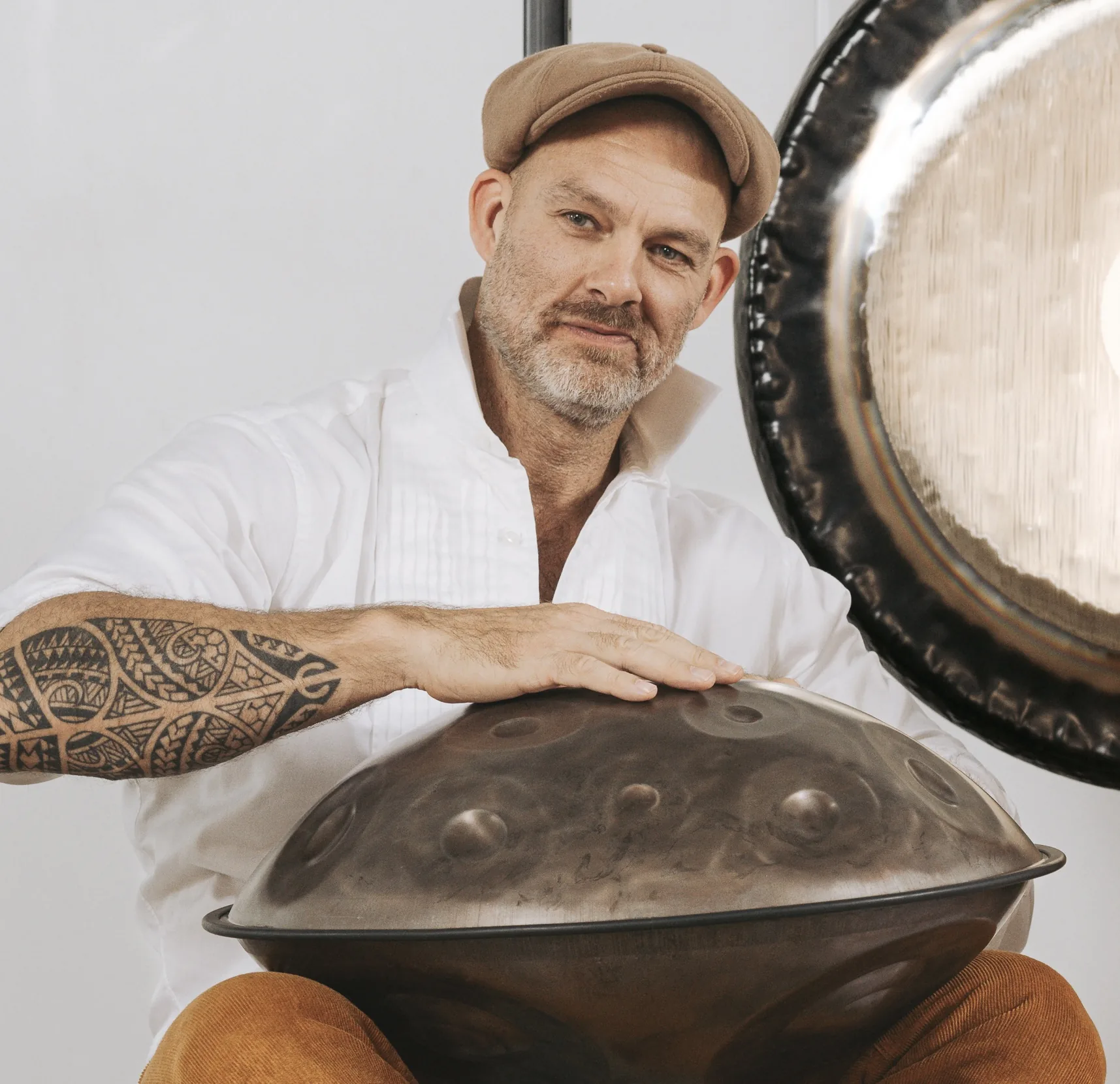
Number of notes and options
Each additional note considerably increases adjustment time. As a general rule, expect to pay an extra €100 to €200 per note beyond a basic handmade instrument with nine notes.
Metals and treatments
Nitrided steel and stainless steel are similarly priced, but ember steel remains rare and can almost double the price because of the cost of the material and the energy needed to work it.
Supply, brand and logistics
Demand affects waiting times: sought-after workshops raise their prices. Reviews, after-sales service and the return policy matter more than appearance.
“Prioritize note stability, the material and service before comparing listed prices.”
| Factor | Effect on price | Typical figure |
|---|---|---|
| Production hours | Very high | 30 to more than 60 hours |
| Number of notes | Medium to high | €100 to €200 per additional note |
| Material | Variable | Standard steel or ember steel: up to twice the price |
| Delivery and after-sales service | Medium | Packaging, insurance and transport |
Next step: before buying, set your priorities and read our buying guide to compare offers and sellers.
What should you budget as a beginner, regular player or enthusiast?
How often you play should guide your choice and budget. If you play occasionally, you do not need a top-of-the-range model. For frequent use, spend more on stability and durability.
Beginner: 7 to 9 notes and realistic value for money
A 7- to 9-note instrument is enough to learn on. Budget between €1,000 and €2,000 for a reliable new instrument.
Look for stable tuning, a clear sound and no unwanted noise to get good value for money.
Intermediate: more notes and more playing possibilities
With 10 to 11 notes, your playing options expand. Expect to pay €1,500 to €3,500, depending on the material and workshop.
Premium: finishes, customization and longevity
Premium models start at around €3,500. You are paying for precision, customization and durability.
“A stable instrument with fewer notes is better than one with many unstable notes.”
| Player | Budget guide | Priorities |
|---|---|---|
| Beginner | Between €1,000 and €2,000 | Stability, no unwanted noise, satisfactory finish |
| Intermediate | €1,500 to €3,500 | More notes, dynamics, choice of scale |
| Enthusiast or professional | €3,500 and above | Customization, longevity, after-sales service |
How to spot a good deal: very low prices, counterfeits and sound quality
Knowing how to identify a genuine good deal can prevent disappointment and wasted money. Offers below €500 are often suspect and warrant a few simple checks.
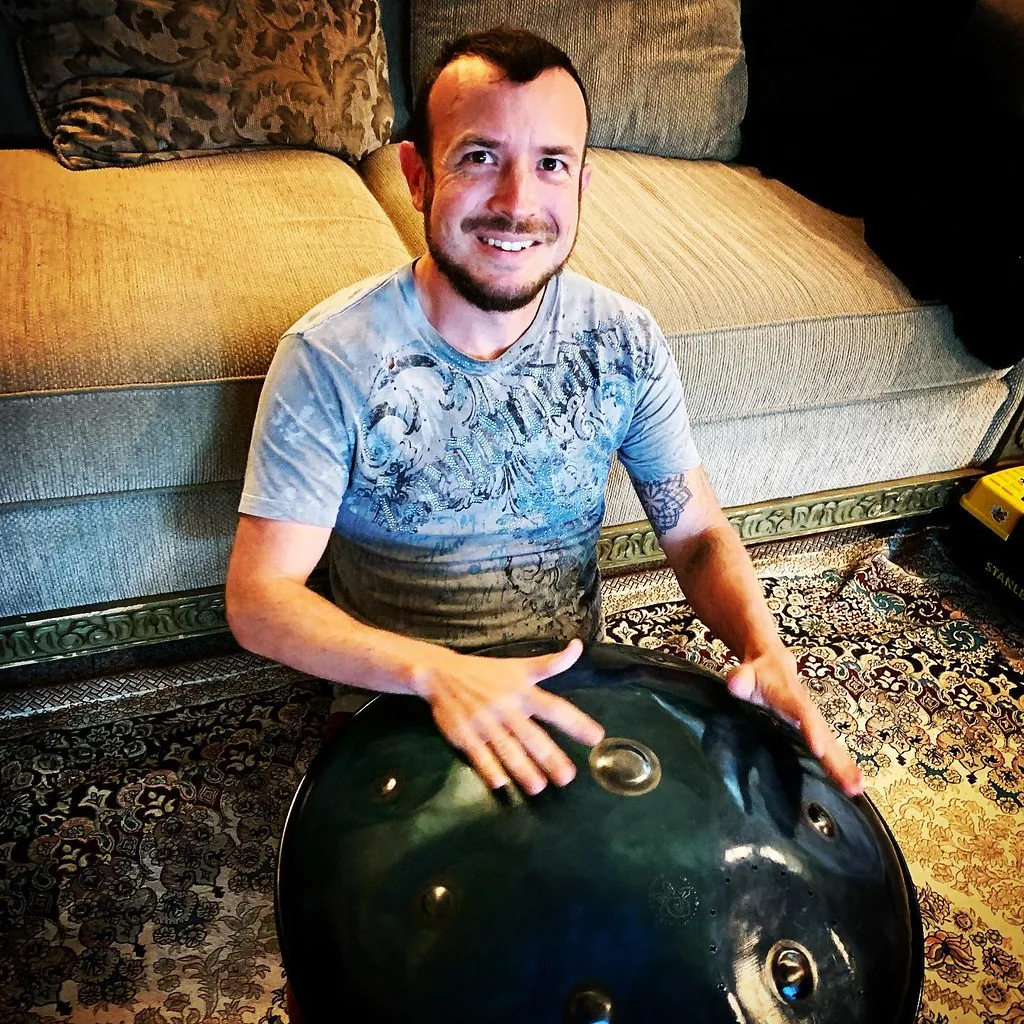
Why should a very low price raise concerns?
Workshop production, precise tuning and testing take hours. A price that is too low does not cover this work. Often, the instrument is decorative, factory-made or poorly tuned.
Counterfeits and false promises
Listings appear in social media ads or on unfamiliar websites. Videos can be misleading. Poor sound quality remains a key sign of a scam.
Essential criteria
- Each note is in tune
- Even sustain, with no unusual vibration
- No unwanted noise
- Careful finishing (edges and joints)
What to listen for and what evidence to request
Ask for recordings in which the notes are played one at a time, followed by a piece played slowly. Request details of the instrument’s origin, an invoice and a clear return policy. This instrument could be a genuine good deal if you can identify the seller and verify their history.
“If you still have doubts, walk away: reselling a poor instrument is often impossible.”
To compare reliable options in France, also look at the established retailers and makers presented on this page.
Where to buy a handpan at the best price: maker, specialist shop, online or music store?
Where you buy affects the sound you get, your budget and the support available afterward.
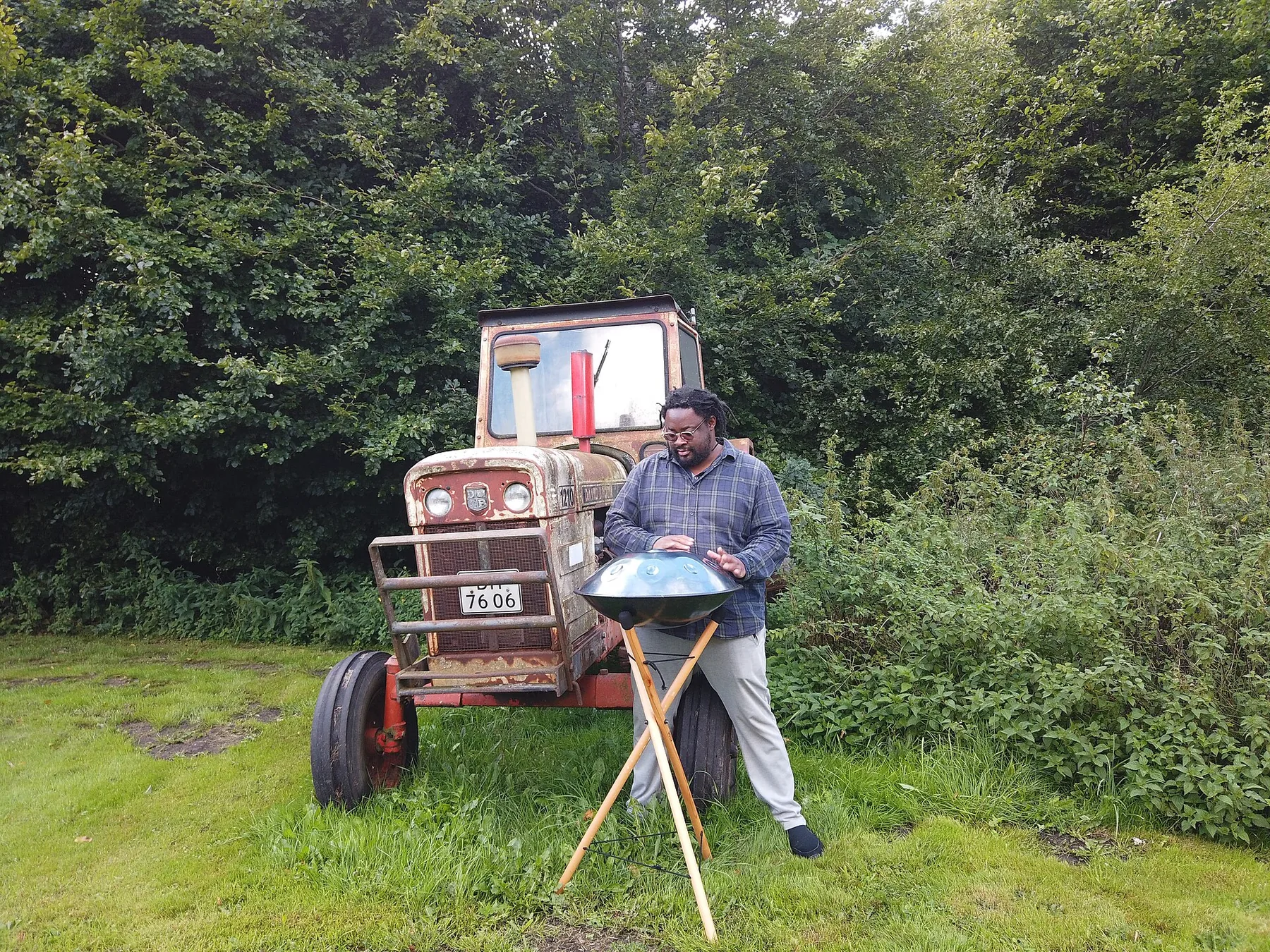
Buying from a maker: you can speak directly with the craftsperson, get advice on scales and metals, and often arrange retuning. Expect a wait; some waiting lists reflect strong demand for quality workmanship.
Buying online: it is convenient for comparing prices and instruments, but you need to check the seller. Look for legal details, workshop videos, recordings of each note played separately, verifiable reviews and a clear return policy.
Buying from a music store in France: being able to test an instrument in person is valuable. Woodbrass, Percussions du Monde, La Baguetterie (Paris) and Djoliba (Toulouse) sometimes let customers try one, and provide an invoice and warranty.
“For a beginner, choose a seller that allows you to try and return the instrument; for an enthusiast, buying from a maker remains the best option.”
| Seller | Advantage | Disadvantage |
|---|---|---|
| Maker | Ongoing support, retuning, customization | Waiting times, higher price |
| Online | Easy comparison, wide choice | Risk of dealing with an opaque seller |
| Store | Try it in person, warranty | Limited stock and range |
To get started, look for a seller that lets you try the instrument and offers returns. To learn more about buying online on a tight budget, read our buying advice.
Used handpans: potential savings, but take great care
The secondhand market offers real savings and sometimes access to rare models.
However, the risks are greater: instruments that are out of tune, hidden impact damage and misleading listings.
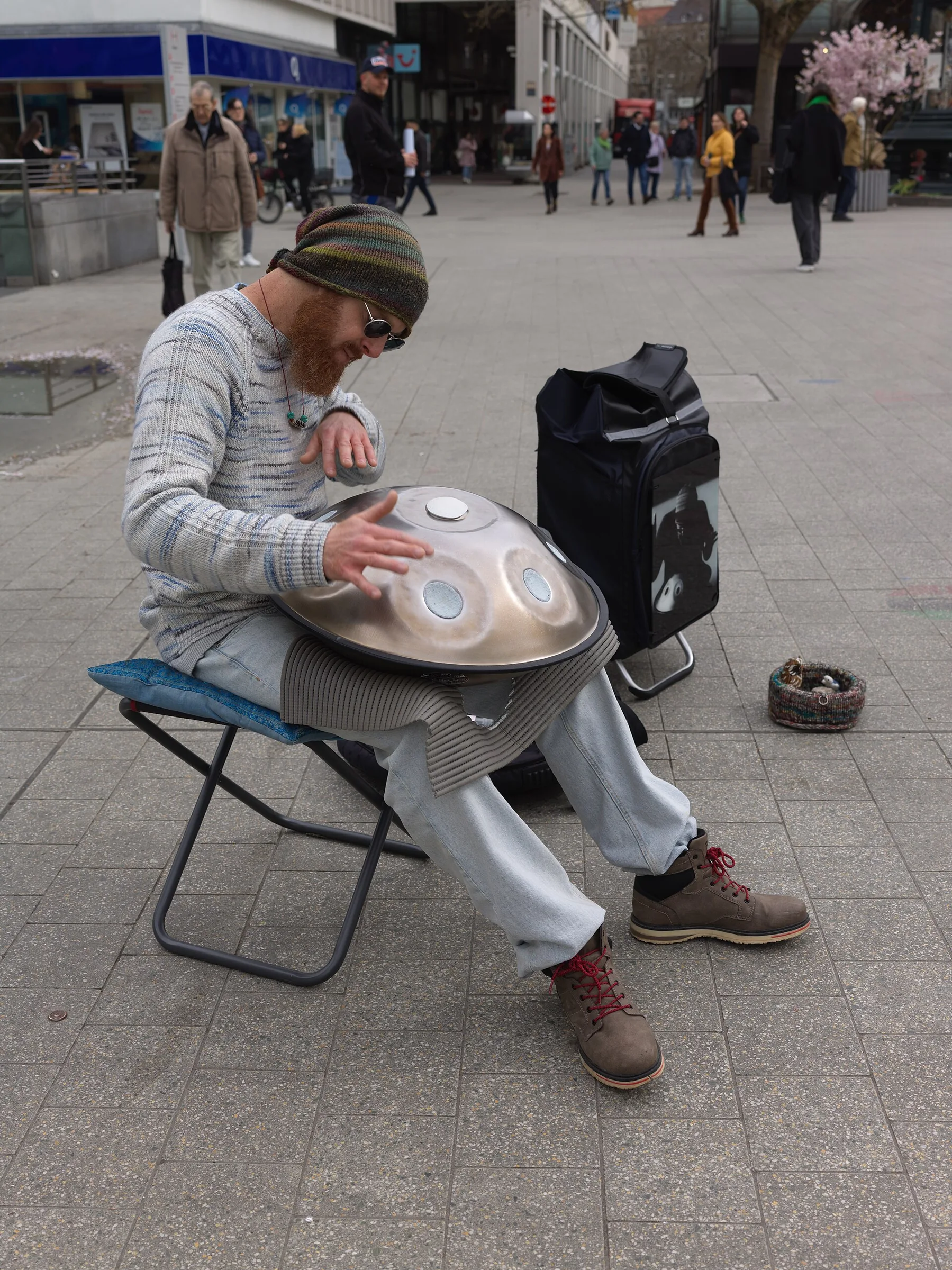
Assessing its condition in person
Test every note, listen for beats, and check the sustain and harmonics.
Inspect the surface for dents and signs of a fall. Ask for the year of manufacture, invoice and maintenance history.
Why might a used instrument sell for almost as much as a new one?
If the maker is sought after, availability is limited and the condition is excellent, the price will remain high.
Scarcity and the maker’s reputation explain these prices.
Where to look in France and how to buy safely
- Platforms: Leboncoin, Rakuten, eBay.
- Musician groups and specialist Facebook pages.
- Local retailers offering consignment sales or trade-ins.
Tip: favour collection in person, a chance to try the instrument and a traceable payment method.
Plan ahead
Allow for possible retuning by a qualified maker: around €100 to €200.
Beginners should be particularly cautious when buying used; for experienced players, it can be a sensible choice if the instrument’s origin is clear.
| Factor | Impact | Guide |
|---|---|---|
| Cosmetic condition | Medium | Dents: lower value |
| Tuning | High | Retuning: €100 to €200 |
| Maker and year | Variable | Good reputation: price close to new |
| Number of notes | Medium | Affects value |
Conclusion
Keep the priorities that protect your investment and enjoyment in mind. A quality instrument generally costs between €1,000 and €3,500 or more; these prices mainly reflect workshop time, tuning, materials, supply and demand.
To decide: choose according to your needs (beginner, regular player or enthusiast), rather than price alone. Handpan quality depends on note stability, tonal balance and the seller’s reliability.
Warning signs include an unusually low price, a lack of evidence or no return policy. Check the total budget (instrument, delivery, case and retuning), audio or video demonstrations, and the instrument’s origin.
For practical guidance and advice on how to choose a handpan, read our guide. To understand the equipment and making process, also explore the tools used in instrument making.
Remember: a carefully considered purchase supports the instrument’s longevity, playing enjoyment and resale value.