

Making a custom bow is an art that combines precision and quality. This meticulous process, carried out in a luthier’s workshop, aims to create a unique piece suited to the musician’s playing style. Every step is carefully controlled to ensure optimal quality.
A high-end bow is much more than an accessory. It plays a key role in musical performance, offering a rich sound and an incomparable playing feel. The selection of materials, such as pernambuco for the stick and horsehair, is crucial. These choices directly affect the quality of the bow.
The luthier’s work involves shaping each piece with precision, taking the wood’s shape and flexibility into account. Assembly and varnishing are delicate steps that require great dexterity. These details make the difference between an ordinary instrument and a true work of art.
By understanding how the musician plays, the luthier can optimize the choice of materials and the assembly. This artisanal approach ensures both the instrument’s quality and its durability. Each bow is therefore a unique piece, crafted to meet the musician’s specific needs.
Introduction to the Art of Bow Making
The bow is much more than an accessory for a string instrument. It is an essential companion, crafted with precision and care to produce an exceptional sound. Its role in music is crucial because it allows musicians to express the full richness of their interpretations.
The Bow’s Essential Role for the Musician
Musicians use the bow to convey their emotions and playing style. Every movement and every degree of pressure on the strings passes through the bow, which acts as an extension of the player’s arm and spirit. This close connection makes the bow indispensable to creating music.
The Craft Heritage of Luthiery
The art of luthiery is sustained by passionate luthiers who carry on time-honored techniques. These craftspeople carefully select materials, such as quality wood, for every piece. The luthier’s work combines precision and creativity to produce a unique instrument.
| Instruments | Materials | Sound quality |
|---|---|---|
| Violin | Selected wood | Richness and clarity |
| Viola | Dense wood | Depth and resonance |
| Cello | Treated wood | Power and balance |
The making process is a true art in which every step matters. The luthier must combine form and function while considering the musician’s specific needs. Assembly and varnishing are key moments when the instrument’s quality becomes apparent.
In conclusion, the bow is much more than a tool. It is an essential piece, crafted with passion and expertise. The luthier’s work, combined with the careful choice of materials, produces an exceptional instrument. To learn more about making techniques and the importance of the bow, consult this detailed document.
Making a Bow: The Steps in the Luthier’s Process
Creating a custom bow is a meticulous process that combines precision and quality. Every step is carefully managed to produce a unique piece suited to the musician’s playing style.
Choosing the Stick and Carefully Selecting the Wood
Choosing a pernambuco stick is crucial. This wood, native to Brazil, is selected for its exceptional acoustic qualities. Careful material selection helps ensure optimal sound and an incomparable playing feel.
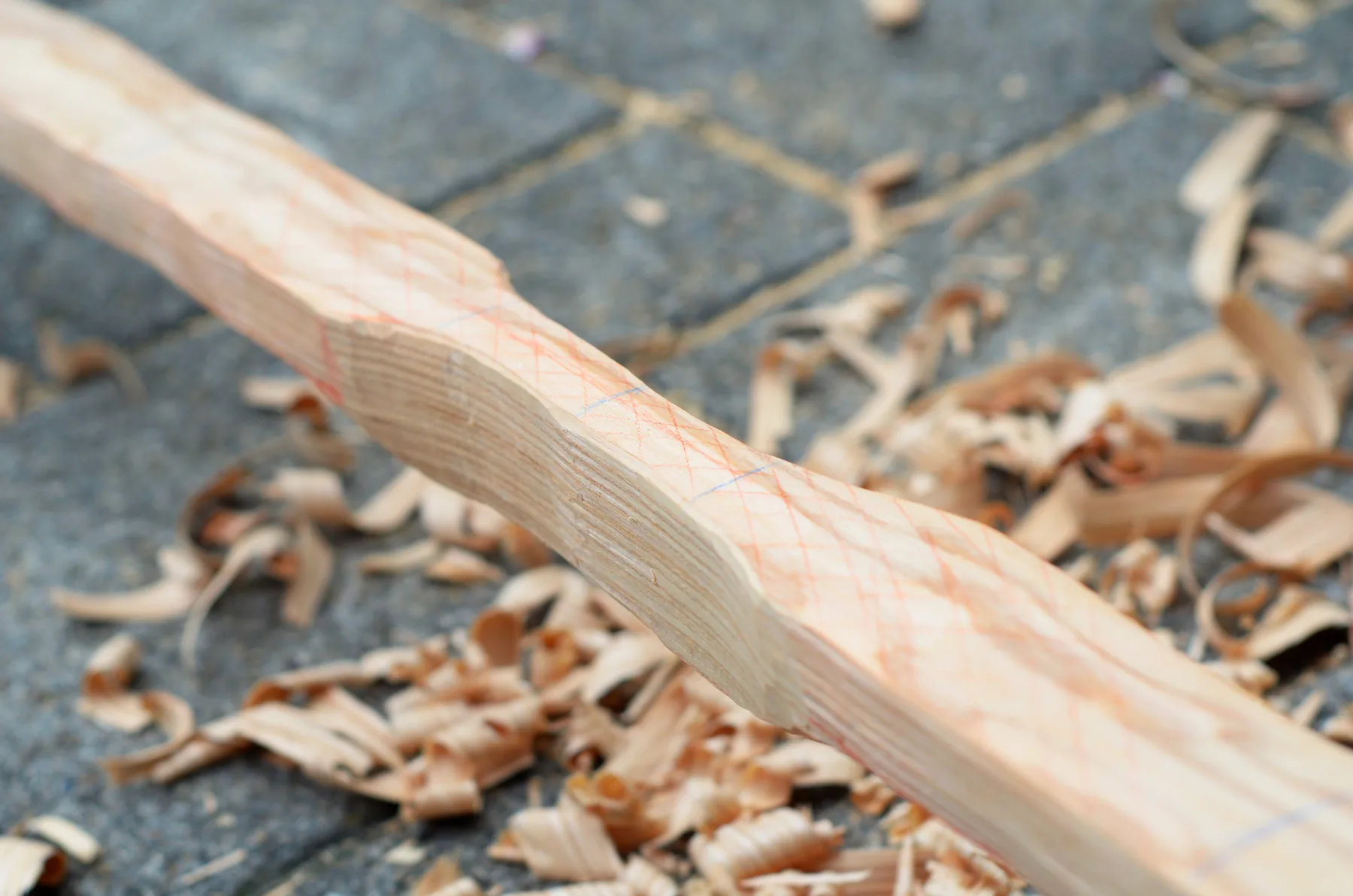
Precise Planing and Shaping
Planing and shaping are delicate steps. Bow makers use specialized tools to carve the wood with great precision, ensuring that every detail contributes to the finished bow’s quality.
Making the Frog and Final Assembly
Making the frog from ebony, mother-of-pearl and metal is a key stage. Final assembly of the different parts requires great dexterity and makes each bow a work of art that combines tradition and modernity.
Craft Techniques and Material Choices
Material choices and craft techniques play a central role in making a bow. Each piece is carefully selected to ensure optimal quality.
Wood Species and Their Effect on Sound
The wood used directly influences the instrument’s sound. Pernambuco, for example, is prized for its richness and flexibility, while other species can provide particular depth or clarity.
| Wood species | Characteristics |
|---|---|
| Pernambuco | Rich sound, flexibility |
| Ebony | Density, durability |
| Treated wood | Strength, stability |
Finishing, Varnish and Attention to Detail
Finishes and varnishing protect the wood while enhancing its appearance. These meticulous details, like the choice of materials, reflect the luthier’s traditional expertise.
In conclusion, the work of the luthier combines tradition and innovation to give the musician an exceptional instrument. To learn more, consult this resource or discover the secrets of wood.
Conclusion
In conclusion, creating a quality string instrument depends on a meticulous process in which every step is crucial. The luthier carefully selects materials, such as wood, to ensure an exceptional sound. Craft techniques that combine tradition and innovation bring a truly unique piece to life.
String instruments such as the violin and cello benefit from painstaking work. The choice of materials and finishing techniques play a central role in their final quality. To learn more about making techniques and advice for beginners, consult this guide or explore the advice for amateurs.


