Many players look for a handpan in a store and often come across the same retailer in their search. The goal here is simple: to see whether this store really meets beginners’ needs.
Context: the retailer does not sell handmade handpans. It mainly offers steel tongue drums. These steel drums produce similar sounds at a more accessible price for a first purchase.
This introduction sets out what you will find: alternative models, how they sound, and how to choose with confidence. The guide follows a practical path: what the instrument is, a technical comparison, leading models, selection criteria, care, 432 Hz and 440 Hz tuning, and a final verdict.
My aim is both commercial and informative: to help you make an informed purchase based on your budget, the sound you want, and your playing experience. A balanced conclusion: the store may suit you, but it is less suitable if you want the sustain and harmonic richness of a handmade handpan.
Understanding the handpan and what you really want as a beginner
Understanding its structure and range of sounds helps you choose one that suits your needs.
What is a handpan? Notes, the ding, steel shells, and intuitive playing
The handpan is an idiophone that originated with PANArt in 2001. It consists of two steel shells joined together, with a central note called the “ding” surrounded by a circle of notes.
This design lends itself to playing by hand and improvising naturally. The arrangement of the notes limits dissonance, helping beginners make quick progress.
Why this instrument appeals: soothing sounds and meditation
Its enveloping sounds create an atmosphere suited to meditation and relaxation. The scale shapes the mood, whether major, minor, or Eastern-inspired.
Beginners: define your goal
- Daily relaxation
- Intuitive improvisation
- Accompanying a voice or other instruments
- Rhythmic performance
“Choosing the right scale often matters more than choosing the brand.”
| Criterion | Effect | Advice |
|---|---|---|
| Scale | Emotional character | D minor is recommended for beginners |
| Number of notes | Harmonic variety | 9 notes: a good balance |
| Sustain | Richness and control of resonance | Moderate sustain for meditation |
Cultura and handpans: Is the in-store selection good for beginners?
Knowing what is available helps you distinguish between two similar but different instruments.
Does Cultura sell handpans today? The facts
No: the store does not offer handmade handpans. Knowing this helps prevent a common purchasing mistake and guides your search.
What you will actually find: steel tongue drums
The selection consists mainly of steel tongue drums, instruments made of steel with cut-out tongues. They have gentle sounds and are very easy to play.
Which players are they suitable for, and who should look elsewhere?
They are worth considering if you are a beginner, are looking for a gift, want to try a calming practice, or have a limited budget. Their price and ease of use are advantages.
They are less suitable if you want great harmonic richness, long sustain, or an instrument for professional performance. In that case, a true handpan or another handmade instrument is a better choice.
“A tongue drum is a good compromise for exploring these sounds; to master the handpan, you will need a dedicated instrument.”
Handpan versus steel tongue drum: Key differences before you buy
Comparing their construction and sound helps you make the right choice.
Construction and materials
Handpan: two shaped and joined steel shells, with a central note called the “ding.” This shape requires precise tuning.
Steel tongue drum: tongues cut into a steel plate. Its response to the fingers and sound projection are more direct.
Sound and sustain
The handpan has rich harmonic resonance. Its sustain is often between 8 and 12 seconds, creating a deep sound.
The tongue drum produces sounds that are simpler and more distinct. For beginners, this makes the notes easier to hear.
Playability and budget
Both instruments are quick to pick up. The handpan offers more dynamic nuance and effects, including ghost notes and sound textures.
A tongue drum is more affordable. It is a sensible purchase if you want to try this kind of playing without seeking the harmonic richness of a true handpan.
“A simple instrument cannot replace a handmade handpan, but it can be an excellent starting point.”
Leading steel drum models at Cultura: Which should you choose?
The selection includes tuned drums designed for calming practice. These instruments are simpler than handmade models, but they offer a good introduction.
Zenko 9 notes – Equinox: designed for relaxation. Its gentle sound is ideal for meditation and wellness routines. The number of notes makes improvisation easier.
Zenko Ionian 9 notes: its sound is richer and deeper. It suits you if you want a more musical, harmonious atmosphere.
Zenko 9 notes – Akebono: it has a mystical character and an ethereal timbre. It suits introspective music or cinematic sound accompaniment.
Shiver Kampan Ethnic D Major Pentatonic: a low-cost option. Its finish is simpler and its design less refined, but it remains a reasonable way to try the instrument.
| Model | Number of notes | Scale | Strength |
|---|---|---|---|
| Zenko Equinox | 9 | Pentatonic | Relaxation, gentle playing |
| Zenko Ionian | 9 | Ionian | Rich sound, musical atmosphere |
| Zenko Akebono | 9 | Akebono | Mystical character |
| Shiver Kampan | 7 | D pentatonic | Low price, a chance to explore |
“Zenko stands out for its consistent tuning, durability, and perceived quality.”
How to choose a “handpan-style” instrument at Cultura
Start by checking a few simple but decisive features. These criteria will help you make an informed choice in store.
Number of notes: Why 9 is a good balance
9 notes give you enough range to improvise without making learning complicated. For beginners, 8 to 9 notes provide a comfortable starting point.
Scale and mood: How to choose according to your preferences
A major scale has a bright character. A minor scale encourages introspection. Eastern-inspired or Akebono scales create a mystical atmosphere.
Sound quality: Balance and clarity
Judge sound quality by how clearly the notes ring, even when struck lightly. Each note should sound full, without a “weak note.”
Crosstalk and learning
Crosstalk is the unintended vibration of another note. It can create a “haze” of sound. An instrument with less crosstalk makes it easier for beginners to progress.
Sustain: Aim for manageable resonance
Look for moderate sustain. If it is too long, rhythmic precision suffers. If it is too short, the playing experience feels less rich.
“Before considering the design, test the number of notes, the scale, and the response to a light strike.”
- Check the number of notes: 8 to 9 are recommended.
- Listen to the scale and consider the mood you prefer.
- Check the quality: clarity, balance, and the absence of excessive crosstalk.
- Check the sustain: neither too long nor too short.
Steel, durability, and care: What really shapes your experience
The type of steel changes the timbre and how easy the instrument is to care for each day. It affects sound quality, durability, and how you protect your instrument.
Common types of steel
The two main options are nitrided steel and stainless steel.
Nitrided steel has a warmer timbre and good corrosion resistance. Stainless steel produces a brighter sound and sometimes has shorter sustain.
What beginners should prioritize
If you are among the beginners, choose a material that makes maintenance easier. Stable tuning and good durability leave you more time to play.
Simple ways to protect your instrument
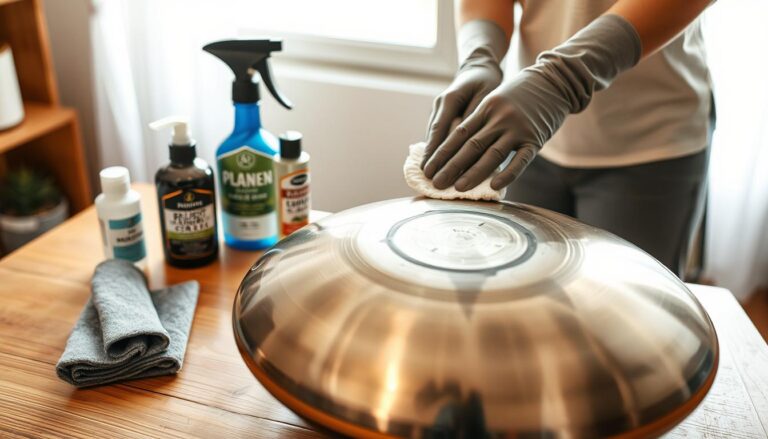
- Wipe the instrument with a soft cloth after each session.
- Store it in a case and avoid moisture and extreme temperature changes.
- Oil metal parts occasionally if needed.
A well-maintained instrument retains its perceived quality, is easier to resell, and stays enjoyable to play for years.
432 Hz or 440 Hz: Does it matter when you are starting out?
A single number—432 or 440 Hz—can shape your listening experience.
The reference frequency is an overall tuning setting. It can affect how you perceive the sound, but it does not guarantee the instrument’s quality.
432 Hz: A more “natural” feel for relaxation
Players seeking a soft, soothing atmosphere often appreciate 432 Hz tuning.
It is popular for meditation and introspective solo sessions.
440 Hz: The reference for playing with others
440 Hz is the current reference. It makes it easier to play in tune with pianos, guitars, and ensembles.
If you plan to improvise with others, attend workshops, or perform in concerts, 440 Hz makes things simpler.
How to choose: Listen and follow your preferences
Listen to demonstrations of the same scale on the same type of instruments.
Choose according to your sound preferences and whether you will play alone or with others.
- Priority: a well-tuned, stable instrument.
- Method: compare the same note at 432 and 440 Hz.
- Rule: choose 440 Hz to play with other musicians; 432 Hz may suit personal practice better.
The reference frequency affects the atmosphere, but your choice should begin with an instrument that stays in tune and feels good to play.
Prices at Cultura: Good deal, compromise, or poor investment?
The price often reveals the maker’s priorities, but it does not always reflect the subtlety of the sound.
Brief context: a quality handpan generally costs much more, around $1,500 to $3,000 according to buying guides. The instruments available in the store are more affordable alternatives.
What price does, and does not, tell you about sound quality
The price may reflect tuning consistency, finish, accessories, and quality control. A careful finish improves durability and appearance.
However, price does not guarantee perceived sound quality. An expensive instrument can lack balance, while an affordable model may sound right for its intended use.
Balancing sound, finish, design, durability, brand, and resale value
To decide, weigh your priorities. If you want soothing sounds and an instrument you can play right away, a good tongue drum is often an excellent compromise.
If your ultimate goal is a true handpan, you may be better off saving for one than making several purchases along the way.
- Short-term purchase: prioritize price and ease of use.
- Long-term purchase: prioritize the finish, tuning stability, and durability.
- Resale: a better-finished instrument is easier to resell and helps protect your investment.
“A low price can be a sensible starting point; what matters most is listening, comparing, and knowing the role each instrument will have in your playing.”
| Criterion | What the price reflects | Advice |
|---|---|---|
| Tuning consistency | Quality control, adjustments during production | Test several notes with a light strike |
| Finish | Paint, case, accessories | Choose a protected finish for durability |
| Brand and service | Warranty, after-sales support, reputation | Check the return policy and after-sales support |
| Sound quality | Does not depend on price alone | Listen to the instrument before buying or compare demonstrations online |
For more practical advice before a major purchase, read our guide to buying your first handpan:
choosing your first handpan
Why buy at Cultura: Availability, prices, and after-sales service in France
Buying in a store makes it easier to try an instrument, return it, and contact after-sales support.
Competitive prices and easy access to a calming range for beginners
Attractive prices and a dedicated range let you make your first choice without spending a fortune.
You can readily find instruments designed for relaxation and introductory playing. A physical store also makes it easier to hear an instrument before buying it.
After-sales service: A practical consideration for beginners
Nationwide after-sales support offers real reassurance. If there is a defect or an adjustment is needed, the return process is simpler than it would be for a purchase from abroad.
For beginners, this peace of mind can matter as much as sound quality. A local contact can help resolve problems quickly.
“Good after-sales support turns a risky purchase into a more reassuring, guided experience.”
Suggested uses include relaxing at home, learning the basics, giving it as a gift, or using it in wellness workshops. In these settings, a reliable experience and a manageable cost matter most.
One qualification: if you aim to develop advanced musical skills, you can later turn to a specialist seller. This purchase can still be a sensible first step.
| Advantage | Effect | Advice |
|---|---|---|
| Local availability | Try it immediately, with no import delay | Test before you buy |
| Competitive price | Access to calming instruments on a modest budget | Focus on your intended use: relaxation or workshops |
| After-sales support and returns | Reassurance for beginners | Check the return policy before buying |
| Room to progress | A starting point before moving to a premium instrument | Save up if your goal is professional performance |
Conclusion
To conclude, keep these essentials in mind to make a considered purchase.
The store mainly offers steel tongue drums. They are useful for exploring sounds similar to those of a handpan, but they do not replace a handmade instrument.
A good approach: clarify your goal—relaxation or playing with others—then choose a scale and number of notes suited to your level.
Look for a stable instrument that sounds pleasant when struck lightly, with manageable sustain and little crosstalk. Check the type of steel and its durability to protect your investment.
If you play with other musicians, choose 440 Hz; for solo meditation, 432 Hz may suit you better. Compare two or three models, listen to demonstrations, and buy according to your preferences rather than relying only on the “handpan” label.